
In brief
As Marineland Antibes shuts down due to new animal welfare regulations, the future of two killer whales, Wikie and Keijo, remains unresolved amid proposals for relocation, heightened debate over animal welfare, and the challenges of transitioning captive animals to new environments.
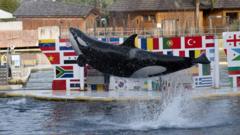
The closure of Marineland Antibes, located near Cannes on the French Riviera, has left the fate of two killer whales, Wikie and her son Keijo, uncertain following the announcement that the marine zoo would permanently cease operations. The decision comes in light of new animal welfare laws, which, effective next year, will ban the use of dolphins and whales in marine zoo performances. The legislation follows a longstanding campaign against marine captivity in France, marking a significant shift in public and governmental perspectives on the treatment of cetaceans.Operators at Marineland, which claims to be Europe's largest marine zoo, have been struggling with the implications of this closure as they rely on performances of killer whales and dolphins for 90% of their visitor revenue. While various options for rehoming the orcas have been proposed, a schism has emerged among stakeholders, including campaigners advocating for enhanced animal welfare and the zoo's management.Experts caution against releasing the orcas back into the wild, given that they were born in captivity and lack the requisite survival skills, equating the transition to releasing a domesticated pet into a natural wilderness. Hanne Strager, a marine biologist who has extensively studied killer whales, stresses the bonds these orcas have formed with their human caregivers over the years. Their reliance on humans for food and social interaction underlines the complexities involved in finding a suitable new home for them.One contentious proposal suggested that Wikie and Keijo be transferred to a marine zoo in Japan, a plan met with significant backlash due to concerns about animal welfare standards and the stress of a long-distance relocation. The French government blocked this venture, insisting on compliance with higher European welfare standards. One alternative being considered is Loro Parque in Tenerife, which adheres to these regulations, though advocacy groups remain apprehensive about the possibility of the orcas being subjected to performances again.Organizations like World Animal Protection (WAP) are calling for the establishment of a sanctuary, ideally near Nova Scotia, where the whales can live in a spacious and safe environment until the end of their lives. The Whale Sanctuary Project has proposed creating a secure bay for the orcas, emphasizing that human support would be readily available to ensure their welfare. While the idea of a sanctuary is promising, concerns linger about how the orcas would adapt to such a significant change after years of captivity. Strager expresses uncertainty about whether these orcas could adjust to a new life, pointing to the stress and fear they may experience as they navigate unfamiliar waters.As Marineland’s closure leads to the relocation of over 4,000 animals, including these orcas, the conversation surrounding marine captivity continues to evolve. The legacy of past events serves as a reminder of the need for humane solutions and ongoing advocacy for animal rights, with rising public awareness driving efforts to halt the cycle of captivity that many marine animals find themselves in. The animal rights discourse has gained momentum, demonstrating a growing societal inclination to re-examine the ethics of keeping highly social marine mammals in captivity for entertainment.
