In brief
As the urgency around Ukraine escalates, European leaders gather in Paris to tackle pressing security concerns amidst mixed messages from the US. The summit aims to forge a coordinated defense effort while addressing troop deployment and post-war reconstruction, all under the growing shadow of Russia's aggressive stance.
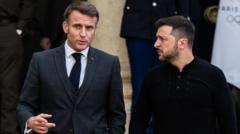
European heads of state are currently assembling in Paris for critical discussions surrounding the future of Ukraine, signifying a desperate push for unity amidst rising tensions. This summit comes in the wake of the US excluding European representatives from pivotal negotiations with Russia concerning Ukraine's fate, leaving European leaders anxious and eager to solidify their role on the global stage.President Donald Trump announced his potential meeting with Russian President Vladimir Putin, casting a spotlight on Europe’s diminished influence and prompting leaders to urgently reassess their strategies. They are facing the daunting task of reconciling differing political ideologies and economic situations in order to present a cohesive approach to both defense spending and potential military commitments in Ukraine.With varying levels of military investment and political will across Europe, consensus on increasing defense budgets poses a significant challenge. Notably, Poland is poised to allocate 4.47% of its GDP to defense by 2025, while the UK struggles to climb towards the 2.5% target. The summit will involve only select military-committed nations, including the UK, France, Germany, Italy, Poland, Spain, and Denmark, as they deliberate on potential troop deployments post-ceasefire to demonstrate solidarity and resolve to both Moscow and Kyiv.Sending troops is a contentious proposition, facing opposition from some European citizens wary of escalating military conflict. Questions remain unresolved regarding troop numbers, command structure, and the nature of their mission—especially concerning direct actions against Russia in the event of treaty violations. Leaders are aware that any military commitment would require robust backing from the US, something that remains uncertain given the current political landscape.As leaders of Europe gather to chart a path forward, the Paris summit aims to initiate a dialogue that could lead to stronger military and economic collaboration. The meeting could provide an opportunity for UK Prime Minister Keir Starmer to enhance relations and drive Europe’s voice further into discussions with the US.France, as the host, is advocating for greater European self-reliance in defense matters, aspiring to reshape Europe’s security framework independent of US influences, particularly in the wake of the Trump administration’s demands. The final decisions remain complicated and nuanced, yet the summit’s outcome could set the stage for future negotiations regarding Ukraine's sovereignty and security.The context surrounding these talks is profoundly influenced by the recent Munich Security Conference, which revealed significant discord among European leaders regarding US foreign policy indications. The ability of Europe to present a united front on Ukraine will certainly be tested, as the overarching threat of Russian aggression looms large and shapes the dialogues that will unfold in Paris.