In brief
The 2024 electoral landscape revealed a troubling trend, with 27 parliaments seeing a decline in female representation. Despite some countries making strides, the overall progress remains insignificantly low at 0.03%. Key barriers persist, including financial challenges, societal expectations, and an increase in violence against women in politics, all contributing to a fragile landscape for gender equity in governance.
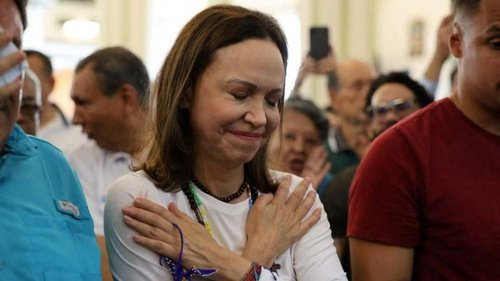
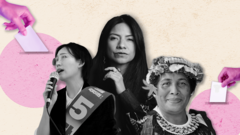
The 2024 elections across 46 countries marked a pivotal moment for global political representation, yet the year has been characterized by stagnant progress for women in leadership roles. Recent data suggests that women's political representation has increased at an alarmingly slow pace, leading to fears of regression in the fight for gender equality.Among the findings, 27 newly elected parliaments now have fewer women than previously, with notable cases in countries like the United States, India, and South Africa. In a historic shift, women elected to the European Parliament also fell below previous numbers. The Inter-Parliamentary Union (IPU) has indicated that nearly two-thirds of the analyzed countries witnessed a decrease in female representation.Despite these challenges, there were instances of progress. Specifically, nations like Mongolia and Jordan reported improvements, while Mexico and Namibia celebrated the election of their first female presidents. However, the overall gain for women's political representation worldwide stands at a mere 0.03%—a stark contrast to the doubled representation rates seen from 1995 to 2020.According to Mariana Duarte Mutzenberg, an analyst at the IPU, the current progress in female political participation is "too fragile," with some regions like Tuvalu facing extreme setbacks. The Pacific Islands, in particular, are struggling, with women holding only 8% of parliament seats, underlining a broader global trend where women comprise roughly 27% of parliamentary seats.Gender quotas have emerged as a decisive factor in some regions. For instance, Mongolia increased its female representation from 10% to 25% after instituting a 30% candidate quota for women. In countries without such quotas, the average of elected women falls to 21%, indicating a clear correlation between proactive policies and systemic change.Disparities extend beyond parliament; women continue to be underrepresented in ministerial positions—a space where critical societal decisions are made. Julie Ballington from UN Women emphasizes that the lack of women in influential roles is a "missed opportunity" for inclusive governance.Barriers to women's entry into politics are multifaceted. Research highlights the "ambition gender gap," where societal messaging often discourages women from seeking leadership roles. Financial constraints further inhibit women from running, compounded by caregiving responsibilities, societal biases, and inadequate maternity leave options across parliaments.The design of electoral systems plays a crucial role as well. Countries that utilize proportional representation tend to elect a higher percentage of women compared to first-past-the-post systems. However, the ongoing increase in violence against women in politics—exemplified by incidents in Mexico—creates a chilling effect that discourages potential candidates.As complexities unfold, societal backlash against women's empowerment and feminist movements remains palpable, particularly in places like South Korea, where perceptions of reverse discrimination have influenced electoral sentiment.The implications of underrepresentation extend beyond fairness; diverse parliaments are linked to enhanced national economic performance and sustainable peace accords. As Dr. George points out, the inclusion of women significantly improves the likelihood and durability of peace treaties.Ultimately, the conversation surrounding women's political representation needs reframing. Rather than focusing solely on the inadequate representation of women, it's vital to acknowledge the overrepresentation of men in political spaces. The journey toward gender parity continues to be fraught with challenges, yet the necessity for equitable representation remains paramount for the betterment of societies globally.