In brief
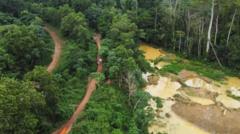
As Ghana grapples with a worsening environmental crisis due to rampant illegal gold mining, communities are voicing outrage over the pollution of rivers and land degradation. This alarming trend, locally known as "galamsey," has transformed lush regions previously known for cocoa farming into sites of extensive ecological damage. Artivist Israel Derrick Apeti has turned his creative expression into a tool for advocacy, capturing the dire state of polluted rivers that can no longer sustain aquatic life. As Ghana, one of the leading gold producers globally, faces internal and external pressures from the illegal mining industry, citizens demand immediate governmental reforms and accountability, fearing for their health and the sustainability of their natural resources.
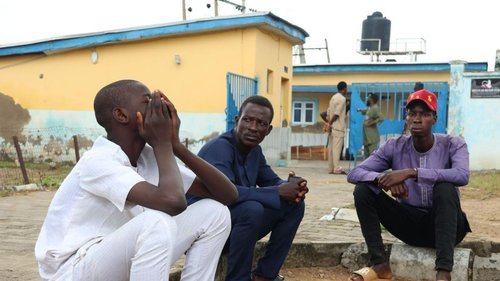
The gold rush in Ghana is leading to widespread environmental devastation, driven by illegal mining practices that heavily rely on toxic chemicals. Mercury, a known pollutant, is being used extensively to extract gold, contaminating rivers and inflicting long-term damages on water sources. Local artist Israel Derrick Apeti used polluted water as paint to highlight the crisis, warning that the formerly clean Pra River has become toxic. Protests have erupted across the nation, with demonstrators demanding government intervention and accountability. Despite reports of police detentions during protests, the movement continues to galvanize youth, especially among the diaspora in Canada and the UK. The involvement of foreign entities and local corruption exacerbates the issue, leading to an array of social and environmental consequences, including reduced crop production and increased health risks among miners. Ghana's leadership faces criticism for inadequately addressing the surge in illegal mining, raising concerns about the country's ecological and economic future.