In brief
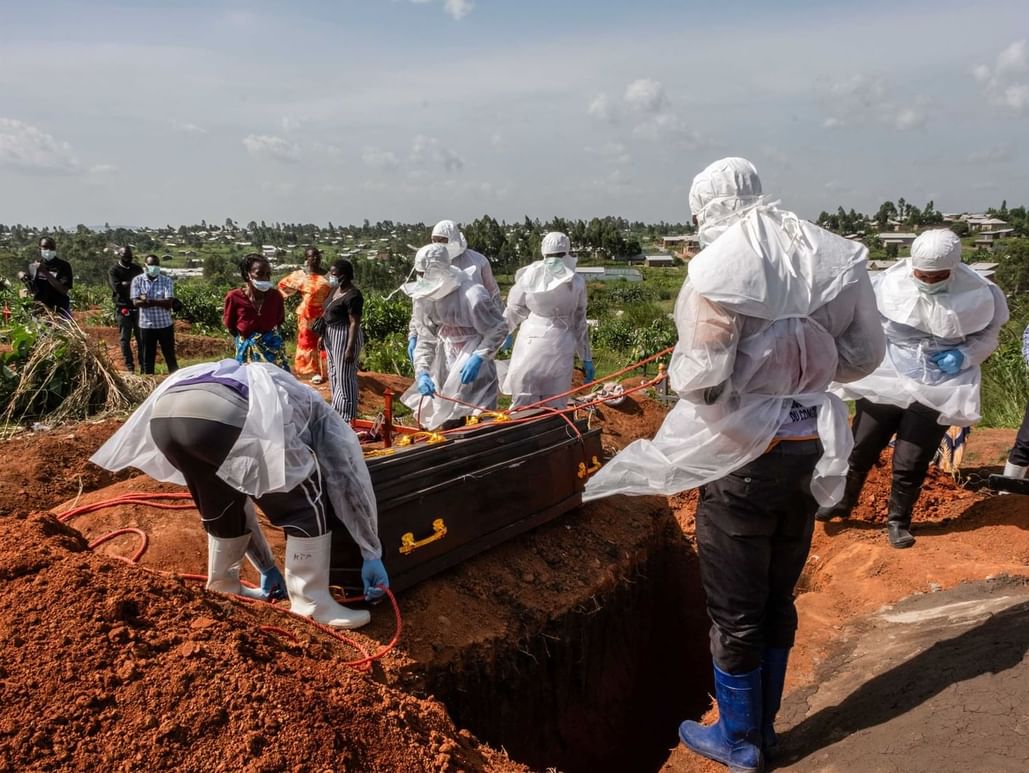
The Africa Centers for Disease Control and Prevention (Africa CDC) has lauded Kenya for its efficient containment of an imported Ebola case, positioning the country as a model for the continent. At the same time, the agency warned of the Bundibugyo outbreak’s spread into the Democratic Republic of the Congo and urged faster disbursement of pledged funding. Key data show the multi‑country outbreak has surpassed 10,600 confirmed cases, with a case‑fatality rate of 48.6 percent, and highlight critical gaps in preparedness across Africa.
The Africa Centers for Disease Control and Prevention (Africa CDC) has praised Kenya for its rapid containment of an imported Ebola case, calling the country’s progress a continental model. Simultaneously, the agency warned that the Bundibugyo outbreak, which has crossed into the Democratic Republic of the Congo (DRC), continues to grow and could threaten broader regional stability.
Kenya’s swift containment
Kenya detected its first imported Ebola case on October 6 and has since reported nine confirmed cases, including two fatalities. The national response tested 669 samples, yielding a positivity rate of 1.35 percent, and has not recorded any new cases since October 19. Early detection and aggressive contact tracing allowed the first five patients to be discharged by the end of that month. Kenya’s containment strategy aligns with Africa CDC’s recommendations for rapid screening at points of entry, robust laboratory capacity, and dedicated treatment facilities.
Data on the continent‑wide outbreak
According to Africa CDC, the ongoing multi‑country Ebola outbreak has reached 10,699 confirmed cases, of which 5,202 have died, yielding a case‑fatality rate of 48.6 percent. Two thousand nine hundred patients have recovered. By week 25, the outbreak is the fastest‑growing and second‑largest on record, surpassing the 2014‑2016 West African epidemic by twice as many cases and deaths.
These figures are derived from weekly surveillance reports compiled by the Africa CDC and corroborated by the World Health Organization. The data underscore the urgency of investing in preparedness pillars such as infection prevention, case management, and logistics across all member states.
Worries over the Bundibugyo outbreak in the DRC
During an online press briefing on Thursday evening, Africa CDC official Wessam Mankoula highlighted the Bundibugyo outbreak’s continued progress and noted a particular concern about the virus spreading further in the DRC. Mankoula said:
"This is a time for all our member states to invest in preparedness and readiness. Having an imported case should not push us to panic as long as we have the minimum capacity at all critical preparedness pillars."
He added:
"Each country should have a strong surveillance system, and screening at points of entry to detect cases quickly. We need to invest in laboratory capacities and in designated facilities to treat the first few cases."
These remarks reflect findings from a joint survey by Africa CDC and the World Health Organization that assessed Ebola readiness across 31 African countries. The survey identified critical gaps in infection prevention and control, case management, and logistics—areas that, if strengthened, could reduce transmission and improve patient outcomes.
Call for accelerated funding
In light of the outbreak’s rapid expansion, Africa CDC urged the African Union and international partners to hasten the disbursement of pledged funds. The agency emphasized that timely financial support is essential to equip health facilities, shore up laboratory networks, and expand community-based surveillance.
Africa CDC’s assessment also lauded other member states working effectively against Ebola, noting Nigeria’s efforts alongside Kenya’s as examples of successful containment. However, the overall picture remains one of vulnerability, with many countries lacking the minimum capacity to contain imported cases efficiently.
As the DRC grapples with the Bundibugyo outbreak’s spread, the Africa CDC stresses that learning from Kenya’s model—rapid case detection, decisive contact tracing, and early community engagement—can be pivotal in preventing future outbreaks from escalating. The agency’s observations serve as both commendation for Kenya’s achievements and a sober reminder that preparedness is a shared continental responsibility.