In brief
Rev. Emanuel Cleaver III advocates for a resurgence of the Civil Rights Movement against partisan redistricting efforts by Republicans, which threaten minority representation in Washington. In Missouri, where the map redistricting aims to manipulate voter demographics, communities express fears of losing resources and representation. The NAACP is challenging the new district maps, which may disenfranchise voters of color.
KANSAS CITY, Mo. — Rev. Emanuel Cleaver III is calling for a second Civil Rights Movement in light of partisan redistricting efforts by Republicans, which he argues threaten to reverse the gains made in representation for Black Americans. The redistricting plans in Missouri specifically target areas that have historically supported Democratic candidates, including those that represent his father's constituency, Rep. Emanuel Cleaver II.
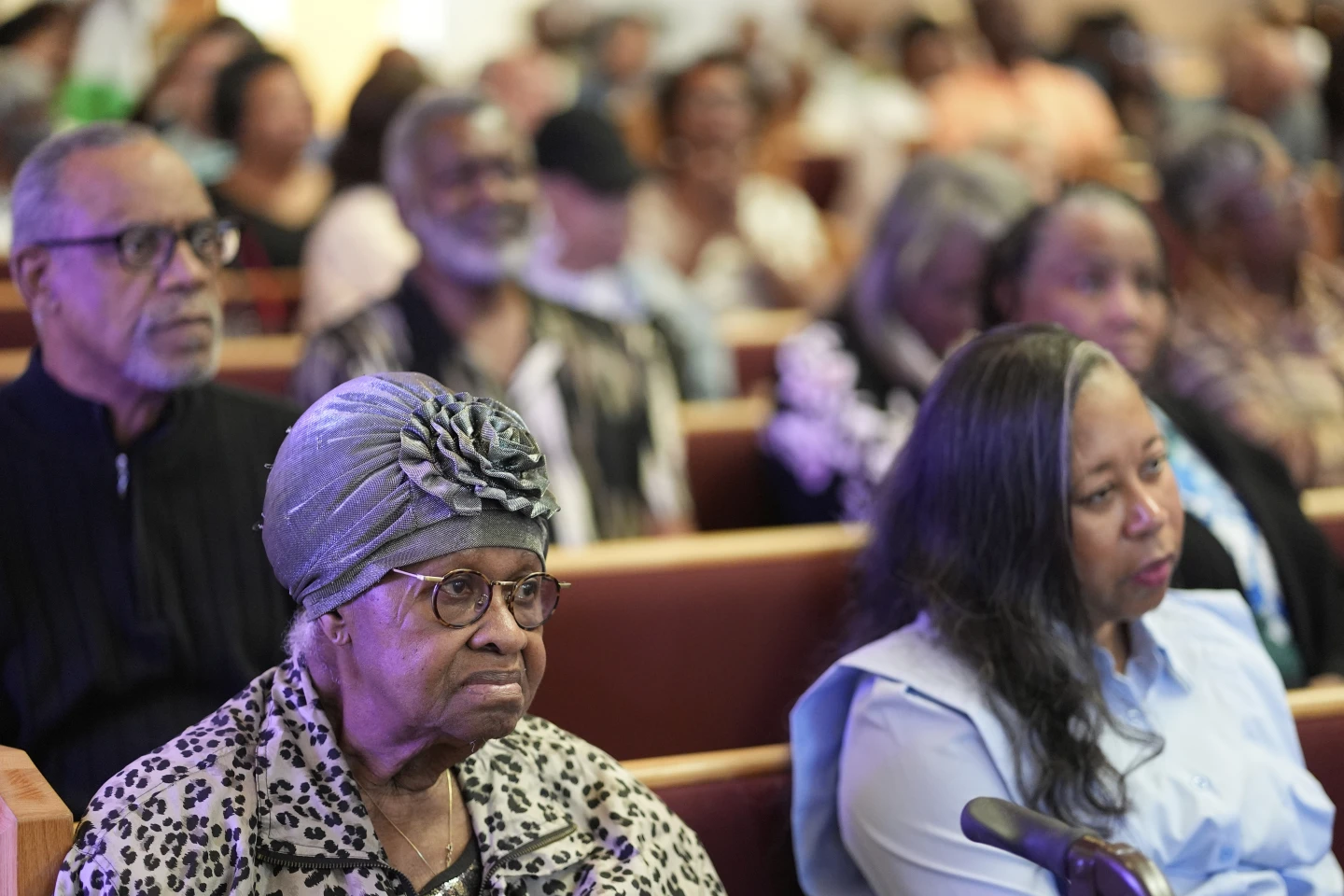
During a sermon at St. James Church, Cleaver warned that without action from the faith-based community, they may regress further away from the progress achieved over previous generations. If we, the people of faith, do not step up, we are going to go back even further, he asserted, prompting supportive responses from parishioners.
Redistricting measures put forth by the GOP are aimed at consolidating power in Washington, where control over district maps can influence election outcomes significantly. They see this as a necessity following the 2018 midterms, which resulted in a Democratic House majority. These efforts to "pack" and "crack" districts — concentrating minority voting power in fewer districts or spreading it over several — have been criticized as forms of racial gerrymandering.
In Missouri, the restructured congressional map could allow Republicans to gain a significant advantage, moving the roster from six white Republicans and two Black Democrats to a 7-1 Republican majority. The governor and other proponents argue the new map reflects Missouri's conservative values while critics outline its potential to undermine federal representation for minority communities.
Residents are concerned that these changes could diminish not just legislative representation but also vital federal resources for infrastructure, healthcare, and education. Many in Kansas City, including retired nurse Meredith Shellner, fear a decline in services, stating, I just think it’s not going to be good for anybody. This sentiment underscores the broader anxiety surrounding the implications of strategic redistricting.
The NAACP has reacted forcefully against these changes, citing legal challenges to protect minority representation. They stress that district manipulations threaten to not only dilute the voting power of communities of color but may also set a dangerous precedent for the future of fair representation in the U.S. Congress.
As these legislative battles continue, local leaders, advocates, and residents remain vigilant, emphasizing their commitment to ensuring that the hard-won civil rights are not compromised. As Saundra Powell, a retired teacher, poignantly noted, the fight for equitable representation is as critical today as it was during the Civil Rights Movement, warning everyone to take the current challenges seriously.
}