Archaeologists in Egypt are on the brink of a remarkable discovery, as a British-led team, under the direction of Dr. Piers Litherland, believes they may have located a second tomb belonging to Pharaoh Thutmose II. This announcement follows the awe-inspiring revelation of the first tomb attributable to a pharaoh in over a hundred years, prior to which Tutankhamun's tomb was discovered in 1922.
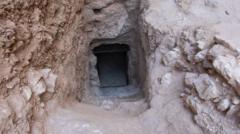
Dr. Litherland conveyed his sense of excitement to the Observer, expressing that this newly suspected tomb could very well contain the mummified remains of Thutmose II. Historical context suggests that the original tomb was likely emptied shortly after the burial, possibly due to flooding, which may have prompted the relocation of the burial site.
The potential second tomb is theorized to be situated beneath a substantial 23-meter-high artificial mound constructed from limestone, ash, rubble, and mud plaster, skillfully designed by the ancient Egyptians to mimic a natural mountain landscape in the Western Valleys of the Theban Necropolis near Luxor.
Admiring the complexities of these ancient structures, Dr. Litherland indicated that workers are proceeding with caution, currently excavating by hand due to the dangers associated with tunneling into the site. He estimates that the team could fully expose the burial site within a month.
The first tomb, discovered behind a waterfall, had exhibited signs of significant importance, such as lavish decorations. The discovery of a blue-painted ceiling embedded with yellow stars—an artistic motif exclusive to royal tombs—further underscored its likely association with a pharaoh.
Dr. Litherland described his emotional reaction to the findings as one of overwhelming surprise and excitement, highlighting the turmoil of encountering unexpected treasures from ancient history. Thutmose II, often recognized for his marriage to Queen Hatshepsut—a prominent female pharaoh—was an ancestor of the renowned Tutankhamun, adding another layer of intrigue to this archeological exploration.
The researchers continue to etch their mark into the legacy of Egyptology, unveiling layers of history that could reshape our understanding of ancient Egypt and its monumental rulers.