In a landmark decision, Israel has officially recognized Somaliland as an independent state, becoming the first country to do so. Israeli Prime Minister Benjamin Netanyahu stated that the move would enhance cooperation in agriculture, health, and technology.
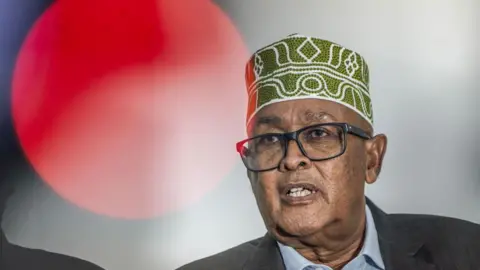
Somaliland's president, Abdirahman Mohamed Abdullahi, hailed the announcement as a historic moment, expressing hopes that this recognition will pave the way for other nations to follow suit, enhancing the region's diplomatic standing and access to international markets.
In response, Somalia's Prime Minister Hamza Abdi Barre rejected the recognition, terming it a deliberate attack on Somalia's sovereignty. The foreign ministers of Somalia, Egypt, Turkey, and Djibouti have also issued strong condemnations, asserting their unconditional rejection of Israel's announcement.
President Abdullahi indicated that Somaliland intends to join the Abraham Accords, viewing it as a step towards fostering peace both regionally and globally. He emphasized the importance of building partnerships that promote mutual prosperity and stability across the Middle East and Africa.
Meanwhile, the Israeli Foreign Minister, Gideon Saar, confirmed that full diplomatic ties would be established between Israel and Somaliland, including the appointment of ambassadors and the opening of embassies.
This move has triggered discussions among various stakeholders in the region, with Egypt's foreign ministry reaffirming support for Somalia's unity and advocating against unilateral actions that could destabilize the region.
Somaliland, which declared independence from Somalia in 1991, has long sought international recognition. With a population of nearly six million and a strategic location on the Gulf of Aden, it aims to enhance its economic and political position in a complex regional landscape.