In brief
After 15 months of displacement due to war, Palestinians are making their way back to Gaza. However, the scale of destruction and humanitarian needs is overwhelming, with many communities in ruins and essential services lacking.
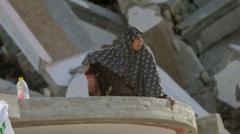
As the conflict in Gaza nears its 15-month mark, thousands of displaced Palestinians have begun the difficult journey back to their homes, embarking on a hopeful yet uncertain future. The Gaza Strip, with its limited geographical expanse, may see this journey as physically short, but the broader implications of rebuilding from near-total devastation are profound.Gazan journalist Ghada el-Kurd expressed the daunting reality facing returning residents: “We have to re-establish again from the beginning, from zero.” Basic needs, including food and shelter, are being met in the immediate term thanks to an influx of aid. According to Sam Rose from the UN's Palestinian refugee organization, Unrwa, the current levels of assistance are unprecedented since the onset of conflict. "We’re able to meet the bare minimums in terms of food, water, blankets, hygiene items. But beyond that, this is a long, long road.”The grim reality is that many residents are returning to a landscape pockmarked by destruction. As many as 700,000 people fled Gaza City and areas nearby during the initial weeks of fighting. Reports indicate that around 70% of buildings in Gaza have suffered damage or destruction, with Jabaliya, once home to 200,000 residents, the hardest hit. The immediate challenge of finding shelter amid the ruins looms large, compounded by an appeal from Gaza's government for urgently needed tents and caravans.The UN is struggling to address this need, particularly as many tents intended for aid have been stuck at the border since last summer. "There simply aren't that many manufactured tents for aid operations anywhere in the world," said Mr. Rose. The situation is becoming increasingly urgent, as those who remained in northern Gaza during the upheaval face additional pressures from returning families. Rental spaces are in high demand, leading to overcrowding and rising tensions in already limited accommodations.The market dynamics are shifting as well, with inflation making basic goods harder to obtain. Residents returning to Gaza share mixed sentiments; some express relief and joy at being back home, while others confront the harsh realities of daily life. “We are overjoyed to return to the north, where we can finally find comfort,” shared one returning Gazan, reflecting the complex emotions surrounding their return.The political discourse surrounding Gaza's future complicates the recovery efforts further. Former President Donald Trump's controversial suggestion that Palestinians relocate to neighboring Egypt or Jordan was met with swift backlash from officials in those countries, who fear the implications of such a mass movement. Jordan's Foreign Minister emphasized that "Jordan is for Jordanians and Palestine is for Palestinians," revealing a deep-seated reluctance to absorb more refugees.Meanwhile, Israeli officials have voiced support for a reduction in Gaza's population, potentially exacerbating the crises faced by returning residents. Now, as the journey back home unfolds, Gazans are at a crossroads; the pressing need for rapid reconstruction is pivotal if they are to envision a sustainable future without requiring displacement once again. "If they lost everything and the reconstruction process is delayed, I think people will not stay in Gaza," warns Ghada el-Kurd, underscoring the urgency with which the world must respond to their plight.