In brief
As Israel’s election results trickle in, veteran Prime Minister Benjamin Netanyahu’s Likud Party tops the table but sits short of a clear majority. The former army chief, Gadi Eisenkot, faces an uphill battle to form a government without backing from Arab‑led parties, whose vote share has surged. Early indicators point to a dead‑locked parliament, placing Arab lists in the position of potential kingmakers. With voter turnout over 77%, the election also reflects a broader societal split between hard‑liner and more liberal factions. Coalition bargaining, expected to take several weeks, will test the willingness of major parties to cross historic divides to secure a stable administration.
Israel's Election: Arab Parties Poised to Decide Cabinet
Israel's general election is heading into its decisive phase as preliminary counts suggest that Prime Minister Benjamin Netanyahu's Likud Party remains the largest single bloc, but it falls just short of a majority. Analysts warn that early results are weighted towards strong right‑wing districts, and the final outcome could shift as absentee votes—mainly from soldiers—are tallied.
Even so, the numbers show that Netanyahu's alliance with ultra‑nationalist and ultra‑Orthodox parties is close to a 61‑seat majority in the 120‑seat House of Representatives. In contrast, former army chief Gadi Eisenkot's opposition coalition appears unlikely to secure a governing majority without the support of Arab‑led lists, which have matched or exceeded their previous record in seats.
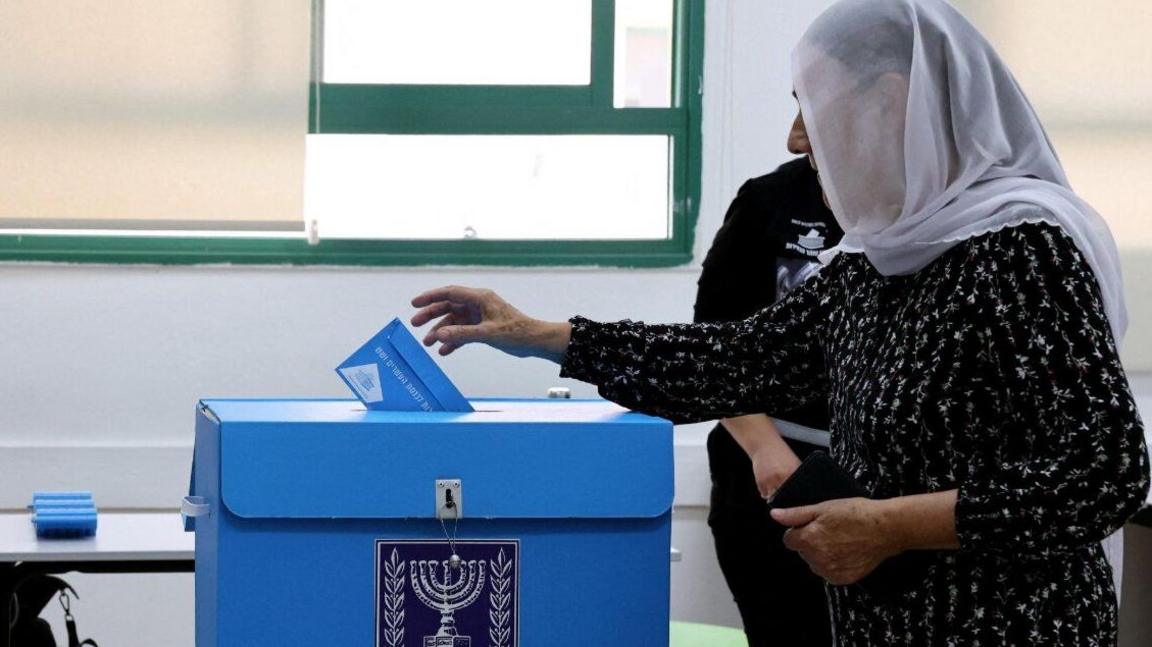
Over 77% of registered voters turned out, turning the election into a true referendum on the direction of the country. While the major Jewish parties have pledged not to work with Arab parties, the enlarged Arab vote—often identifying as Palestinian citizens—has increased beyond expectations.
Political insiders say the next two weeks will be a marathon of coalition talks. If a majority cannot be formed within six weeks, a fresh election may be called. Until then, Netanyahu and his allies will remain in a caretaker role, unable to pass major policy changes.