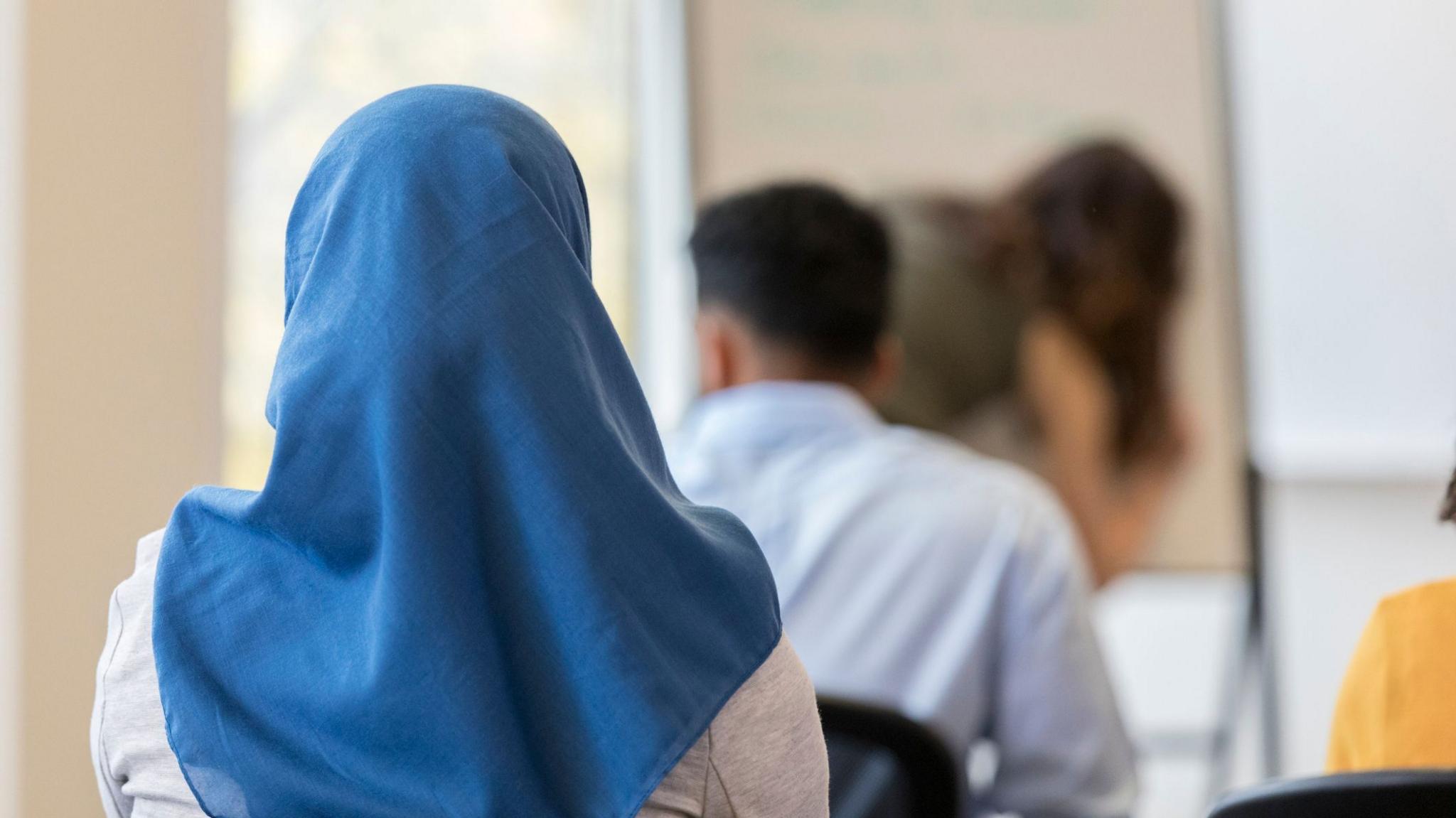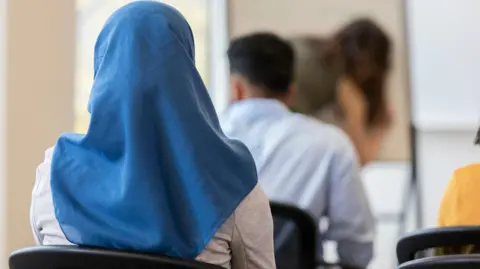
Austria has passed a law banning headscarves in schools for girls under the age of 14. The conservative-led coalition of three centrist parties, the ÖVP, the SPÖ, and the Neos, states the law is a 'clear commitment to gender equality.' However, critics argue that it may fuel anti-Muslim sentiments and question its constitutionality. The measure applies to both public and private schools. Notably, a similar ban for girls under 10 was found unconstitutional by the Constitutional Court in 2020, as it targeted Muslims. The new law prohibits girls under 14 from wearing 'traditional Muslim' head coverings such as hijabs or burkas.
If a student breaks the ban, discussions with school authorities and guardians are mandatory, and repeated violations may lead to involvement of child welfare services. In extreme cases, fines could reach up to €800 (£700). Proponents assert the law protects young girls 'from oppression.' Yannick Shetty, parliamentary leader of the Neos party, insists the measure is about safeguarding girls' freedom, impacting approximately 12,000 children.
The far-right Freedom Party of Austria (FPÖ), supporting the ban, believes it does not go far enough, advocating for an all-encompassing prohibition on headscarves in schools, stating that 'political Islam has no place here.' Sigrid Maurer from the opposition Greens condemned the law as 'clearly unconstitutional.'
The Islamic Community in Austria, IGGÖ, criticized the ban for violating fundamental rights, claiming it could further marginalize affected children. An awareness-raising trial period is planned for February 2026, with the ban fully enforced by the next school year.
If a student breaks the ban, discussions with school authorities and guardians are mandatory, and repeated violations may lead to involvement of child welfare services. In extreme cases, fines could reach up to €800 (£700). Proponents assert the law protects young girls 'from oppression.' Yannick Shetty, parliamentary leader of the Neos party, insists the measure is about safeguarding girls' freedom, impacting approximately 12,000 children.
The far-right Freedom Party of Austria (FPÖ), supporting the ban, believes it does not go far enough, advocating for an all-encompassing prohibition on headscarves in schools, stating that 'political Islam has no place here.' Sigrid Maurer from the opposition Greens condemned the law as 'clearly unconstitutional.'
The Islamic Community in Austria, IGGÖ, criticized the ban for violating fundamental rights, claiming it could further marginalize affected children. An awareness-raising trial period is planned for February 2026, with the ban fully enforced by the next school year.