In brief
Critics voice concerns over the representation and seriousness of women's issues as Somalia's Family Minister leads a predominantly male delegation at a pivotal women’s rights conference.
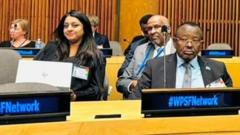
Outrage has exploded on social media platforms after Somali Family Minister Gen Bashir Mohamed Jama shared images on X from a recent UN Women, Peace, and Security Focal Points Network event. The photos depicted himself and fellow male delegates representing Somalia at a meeting specifically oriented toward women's issues, igniting significant backlash regarding representation in discussions crucial for Somali women.Noted Somali author and human rights advocate, Fathiya Absie, expressed disappointment to the BBC, stating, "It is tone-deaf for the Somali government to have men on the frontline, representing women at the conference." Although a senior official clarified that two women were also part of Somalia’s four-member delegation, their exclusion from the group photo highlighted a perceived lack of emphasis on women's representation in government initiatives.With a total of 197 delegates from 57 countries, only 21 were male, further complicating the Somali delegation's optics. The group photo, shared from the event, included Gen Jama at center alongside another male delegate, prompting critics to question the sincerity of the Somali government’s commitment to women's issues.The controversy rekindled scrutiny of the Somali government's controversial decision in July to rebrand the Ministry of Women and Human Rights Development to the Ministry of Family and Human Rights Development. Critics like Absie argue that the rebranding diminishes the specific struggles of women by relegating their issues under a broader term that dilutes focus.Somalia’s long-standing societal challenges have historically seen women taking prominent roles in peace initiatives, yet despite their contributions, the political landscape remains male-dominated. "Women were always the minority in leadership and now they have given the remaining ministries to men," Absie lamented. While some defended the government's action—asserting that leadership experience should be prioritized—dissenting voices advocating for enhanced female representation are beginning to gain traction. Mr. Bashir has indicated that they are committed to ensuring more significant roles for women in the Family Ministry moving forward, in response to the prevailing discontent. For further insights into the evolving situation in Somalia, readers can follow along with ongoing updates from various news sources.