In brief
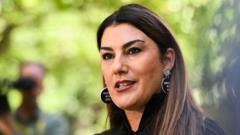
In a bold display of activism, Lidia Thorpe confronts King Charles, sparking discussions about Australia's colonial history and the ongoing struggles of Indigenous people.
During a recent royal visit to Australia, Senator Lidia Thorpe made headlines after heckling King Charles with a pointed message: “You are not my King.” Known for her provocative stance against the British monarchy, Thorpe's actions were a continuation of her long-standing advocacy for Indigenous rights and accountability within Australia's colonial legacy. As the first Aboriginal senator from Victoria, she embodies the voice of many who believe the historical impacts of colonization are still felt by First Nations people today.Thorpe has been a prominent figure in Indigenous activism, having previously served as the chairperson of the National Aborigines and Islanders Day Observance Committee (NAIDOC). Even during her swearing-in ceremony in 2022, she made clear her feelings about the British monarchy by labeling Queen Elizabeth II a colonizer. Her return to controversy was anticipated by those familiar with her unwavering stance on these issues.After being escorted from the event following her heckling, Thorpe explained, “To be sovereign you have to be of this land. He’s not of this land.” She went on to assert the need for reparations and a peace treaty, emphasizing the wealth that has been extracted from Indigenous peoples since British settlement.Thorpe’s perspective underscores the broader disparities faced by Indigenous Australians, highlighted by Prime Minister Anthony Albanese’s comments on the dire prospects of young Indigenous men. Despite the contentious political landscape, she emphasizes the need for treaty negotiations, a demand that has historically been unmet in Australia, the only Commonwealth nation yet to establish such agreements.Amidst rising tensions concerning Australia’s treatment of its Indigenous populations, Thorpe criticizes past attempts at constitutional recognition through referendums that have failed to address deeper issues of sovereignty. Her prior rejection of the Voice to Parliament reflects her belief that these measures represent assimilation rather than true advocacy for Indigenous rights.Responses to Thorpe's actions reveal a divided opinion within Indigenous communities. While some, like co-chair of the Uluru Youth Dialogue Allira Davis, express respect for the monarchy and advocate for a more unified national identity, others align with Thorpe's confrontational stance against colonial wounds. As discussions unfold about Australia's future and its relationship with the monarchy, Thorpe remains a vocal advocate, insisting that true recognition of Indigenous sovereignty is paramount. "We can lead that, we can do that," she stated emphatically. "But we cannot bow to the colonizer." In a nation grappling with its history, her calls for accountability and reconciliation resonate deeply for many.