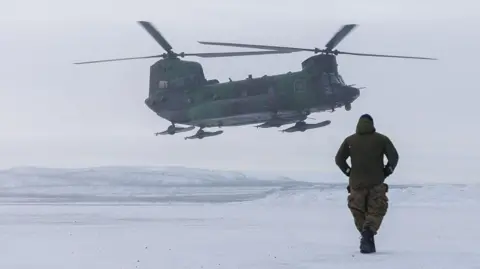
Canada's Arctic is a massive, treacherous, and largely inhospitable place, stretched out over nearly 4 million square kilometers of territory - but with a small population roughly equal to Blackburn in England or Syracuse, New York.
You can take a map of continental Europe, put it on the Canadian Arctic, and there's room to spare, Pierre Leblanc, the former commander of the Canadian Forces Northern Area told the BBC. And that environment is extremely dangerous.
Standing at the defense of that massive landmass is an aging string of early warning radars, eight staffed military bases and about 100 full-time Coast Guard personnel covering 162,000 km of coast, about 60% of Canada's total oceanfront.
The Arctic region is witnessing intense geopolitical competition, bordered by Russia and the US on either side of the North Pole - and is increasingly attractive to China, claiming itself as a near Arctic state while expanding its naval fleet. Canada finds itself between these major players despite having a smaller population.
With Arctic security in the spotlight after Russia's invasion of Ukraine, Prime Minister Carney reiterated Canada’s commitment to protecting its interests in the north. He announced unprecedented investments in radar systems, submarines, and infrastructure, aiming to increase military presence in the region.
Col Leblanc noted this marked a significant shift, with defense expenditures projected to rise from 2% to 5% of GDP by 2035, enhancing Canada's ability to tackle emerging threats like hypersonic missiles. Experts warn that existing defense capabilities are outdated against such technologies, necessitating an urgent review.
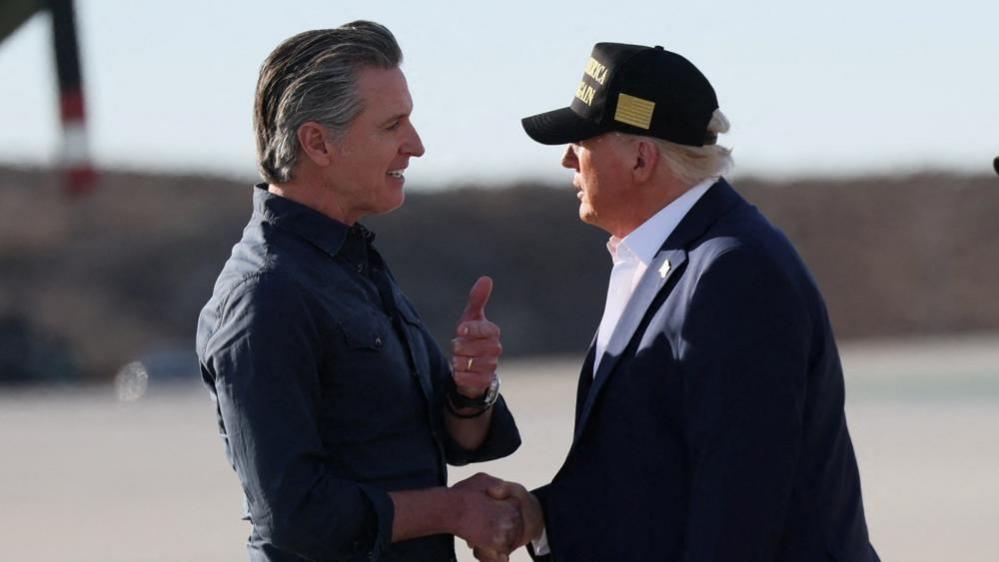
Despite the challenges, cooperation remains strong between Canada and the US. However, political tensions, particularly between Washington and Ottawa, continue to complicate negotiations, with comments from the Trump administration regarding Greenland influencing the discourse on Arctic security.
Experts generally agree on the pressing need for bolstered defenses in the Arctic, which remains a critical focal point for both Canada and its allies.