In brief
The EU‐instigated ceasefire that began in Oleshky has now been expanded to the wider Kherson region, halting shelling and opening routes for food, medicine and evacuation. Under the truce, Russian forces have ceased firing in both Oleshky and Kherson City, while the West credits Melania Trump and Pope Leo XIV for brokering the deal. Residents trapped behind mined and droned‑controlled borders now expect a limited corridor for supplies and a planned Friday evacuation. The agreement is seen as a possible precursor to further steps toward a lasting peace in the southern front.
A newly negotiated ceasefire that began in the besieged city of Oleshky has expanded to the entire Kherson region, bringing a brief but welcome pause to months of relentless shelling and humanitarian neglect.
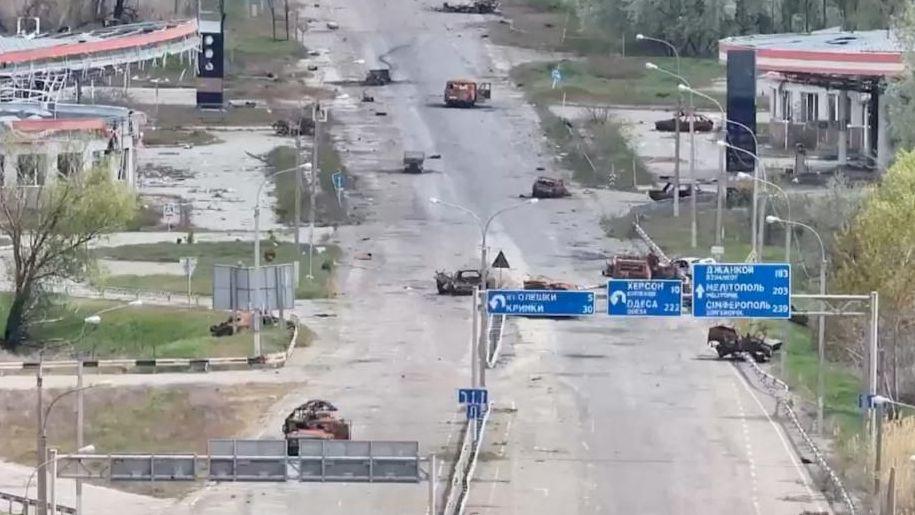
Oleshky, a town of roughly 24,000 people seized by Russian forces in the spring of 2022, now lies in ruins—no electricity, no running water, and a constant threat from landmines and drone attacks. The local population has survived on garden weeds and scavenged supplies, with children and the elderly pushing through a street of shattered vehicles.
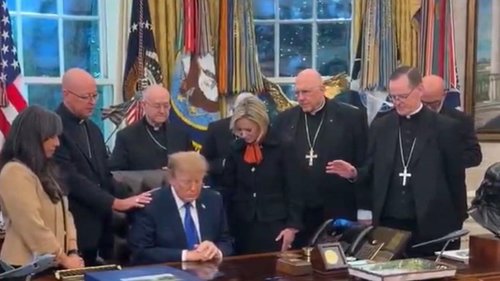
The truce, brokered by U.S. First Lady Melania Trump in partnership with Pope Leo XIV, extends the safe corridor to the rest of Kherson, allowing humanitarian vans to move in and civilians to evacuate on Friday. Both sides report that no breaches have occurred and Russian artillery fire has stopped in Kherson City as well as the occupied district.
According to Ukrainian officials, the ceasefire will be observed until 22:59 local time on Sunday, 1 November, and the extension is the largest de‑escalation since early 2022. The plan includes clearing mined roads, delivering aid, and setting up temporary shelters for evacuees in Russian‑controlled areas, Crimea, and neighbouring Russian regions.
Despite the progress, residents still fear reprisals if they return to Ukrainian territory, as Russian reports warn of phone surveillance and surveillance of online activity. The setback of destroyed bridges over the Dnipro River also complicates safe passage, with many urging the international community to secure a reliable and non‑military route.
Zelensky has cautioned that the truce should be a stepping stone toward wider peace talks, while the Putin-backed defence ministry heralded the deal as ‘operationally successful’ and thanked Western mediation. The new ceasefire now offers a glimmer of relief in a region battered by war and brings renewed hope that diplomatic channels can still mediate for life‑saving outcomes in the conflict‑torn south of Ukraine.