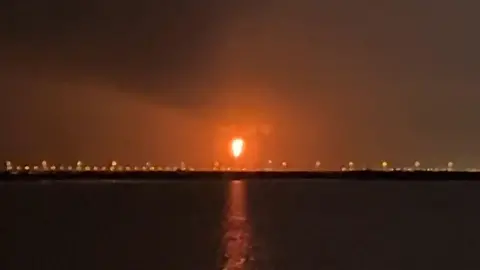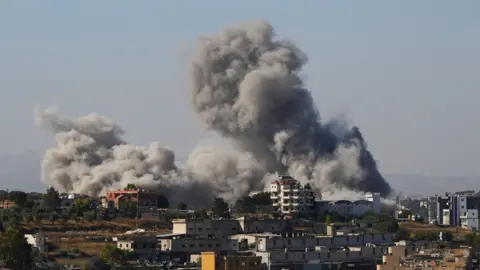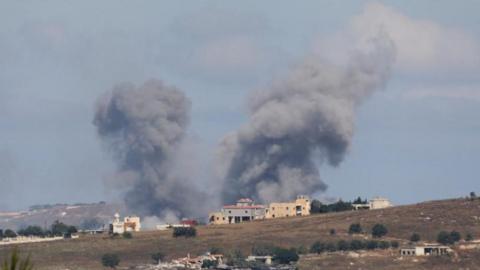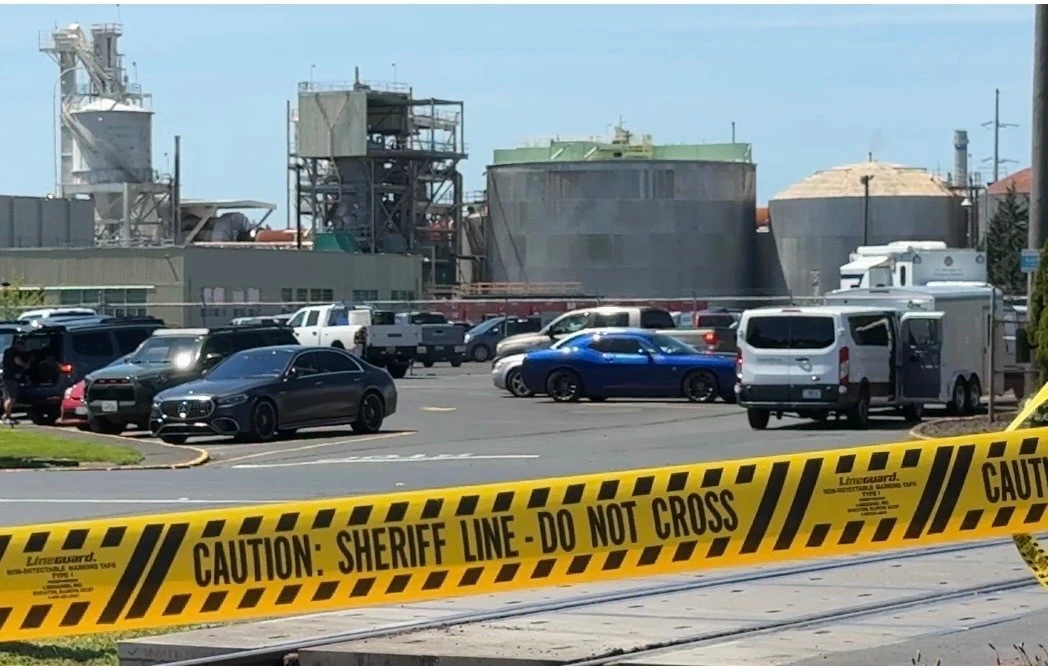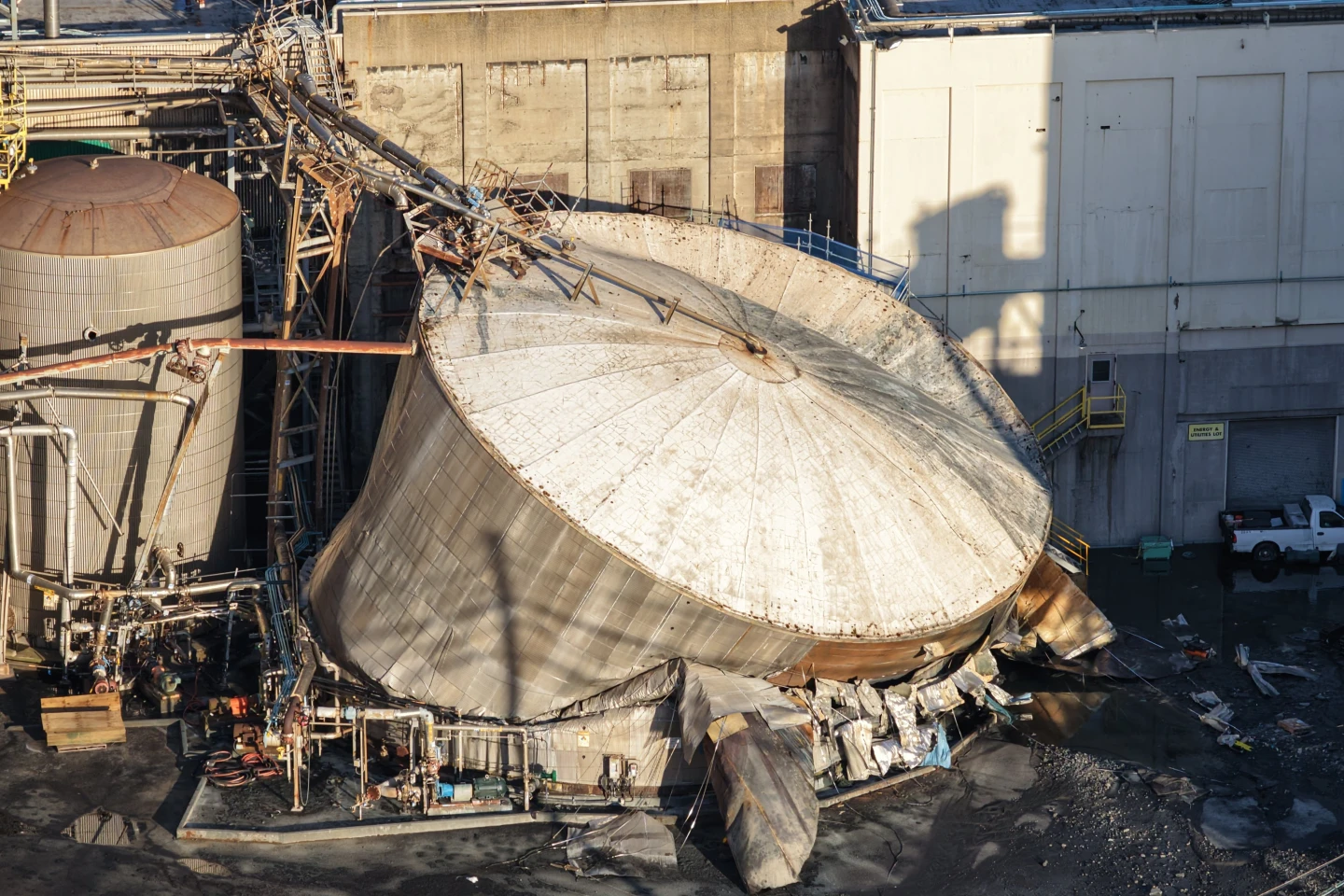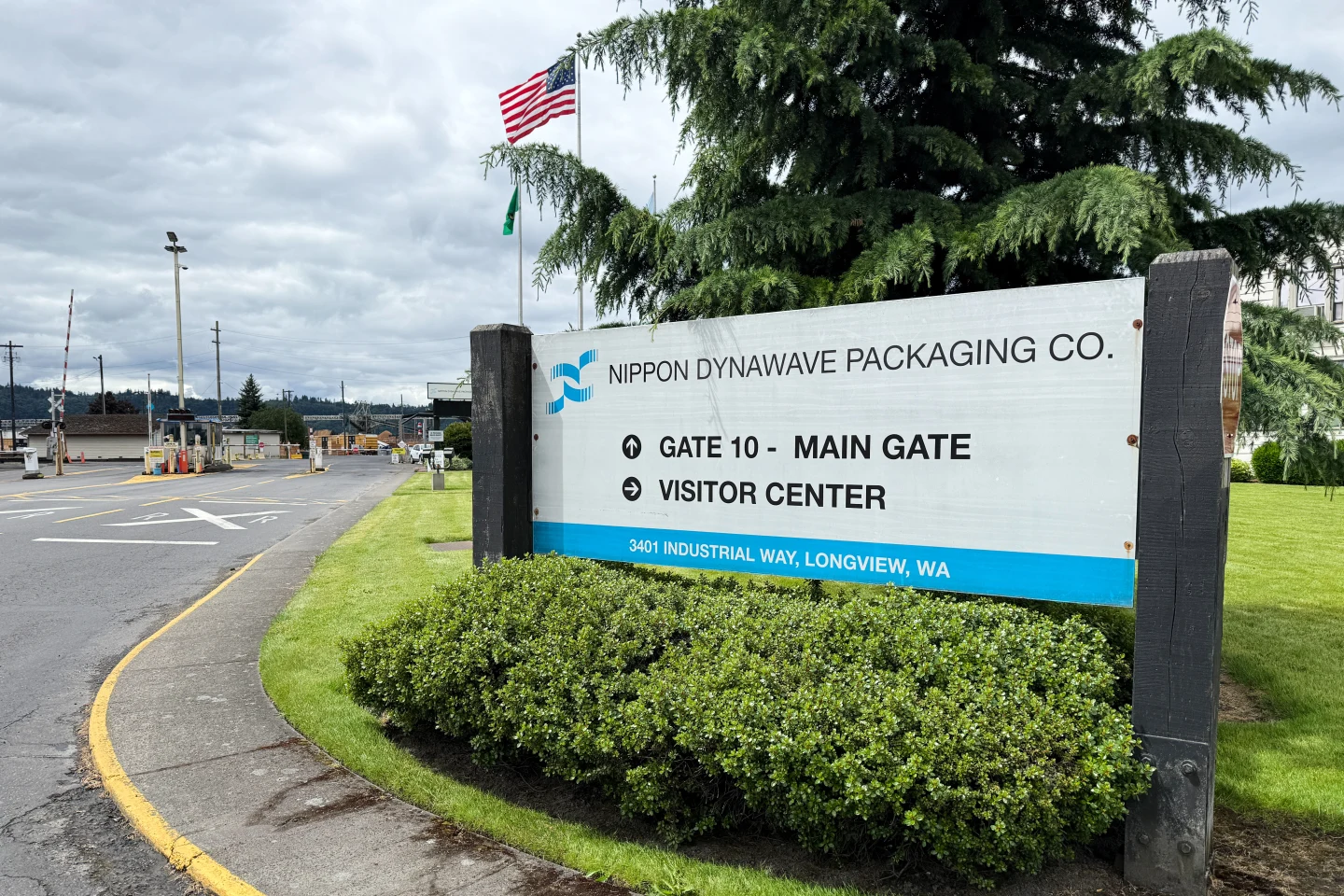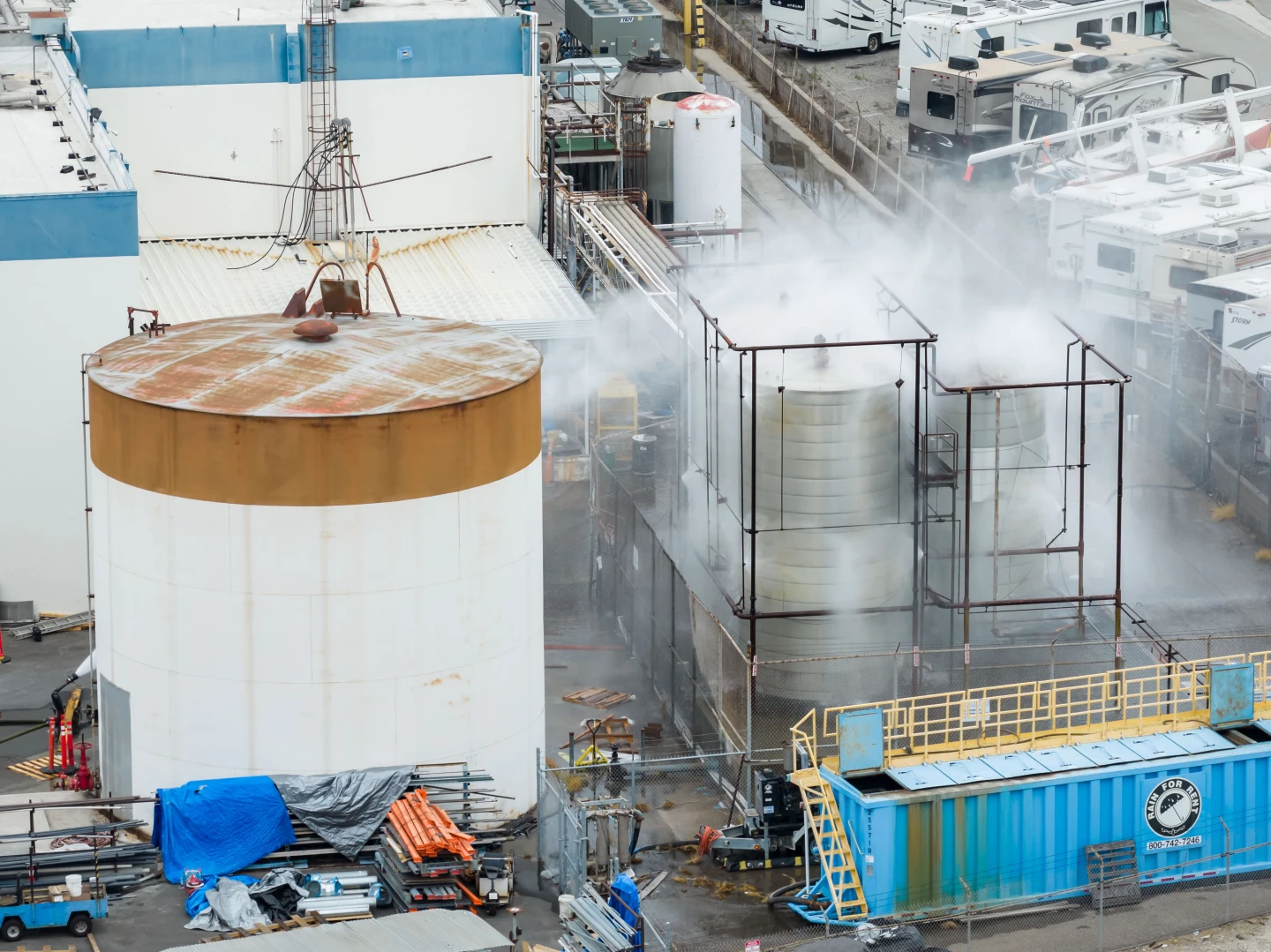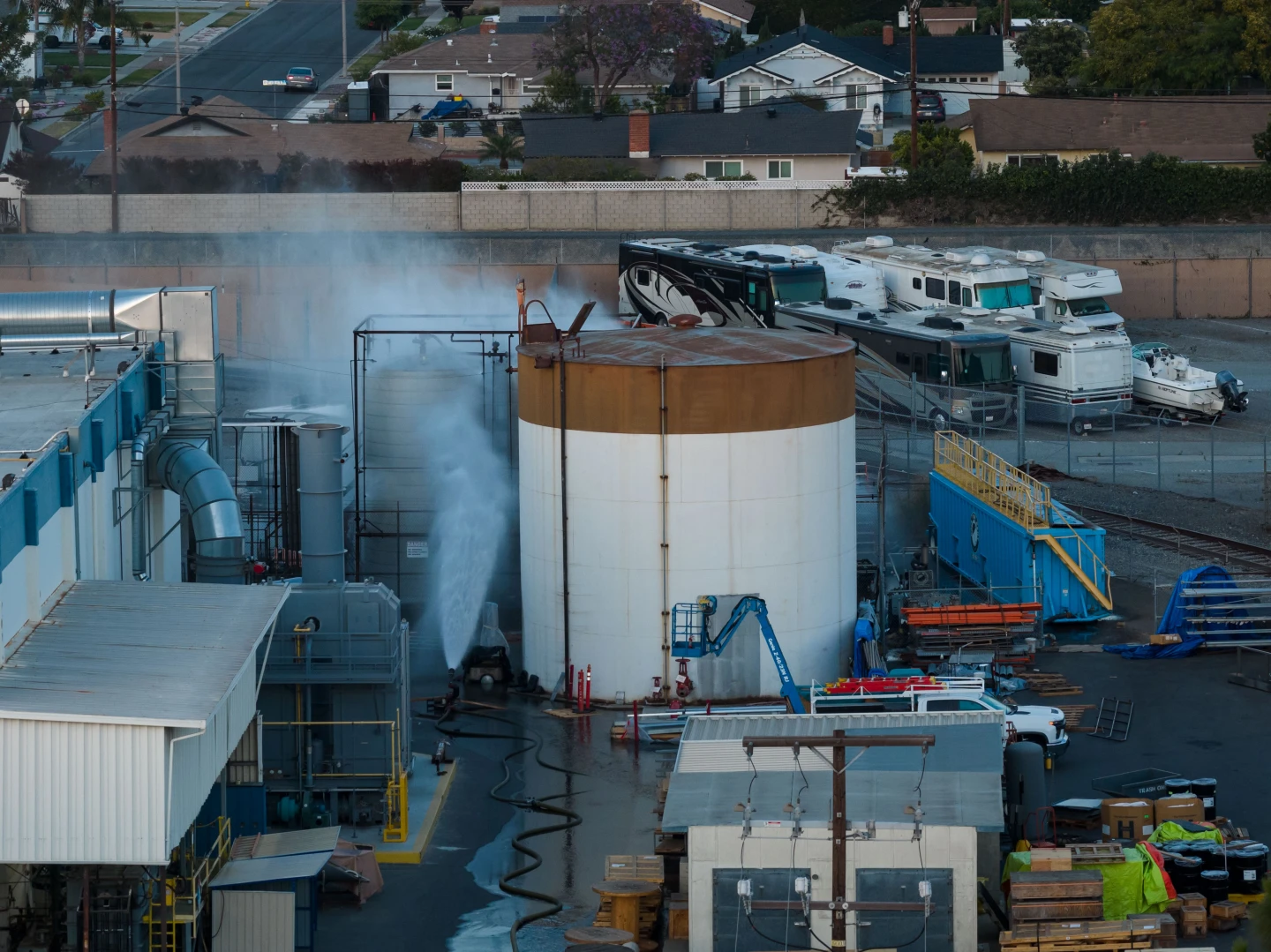
On the morning of Tuesday, a chemically‑treated containment tank vanished in a blinding explosion at the Nippon Dynawave Packaging Co. plant in Longview, Washington.
The failed vessel, a fire‑proof cylinder built to hold a corrosive blend of sodium hydroxide and chlorine‑based bleach—commonly called “white liquor”—was the principal material in the wood‑to‑paper conversion process. The rupture released more than half a million gallons (approximately 1.9 million liters) of the slick, caustic slurry. According to plant officials, the tank was designed to withstand high internal pressures, but a sudden breach slipped past safety valves, sending molten cargo onto the mill floor.
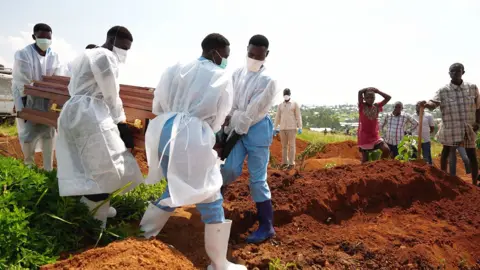
Nine workers are currently listed as missing, and authorities have confirmed the deaths of 11 workers, including the plant electrician Gilbert Bernal, the first confirmed casualty. Others, such as 26‑year‑old CJ Doran, a beloved family provider, were also presumed dead after the blast. Eight more were injured, including a firefighter who responded to the scene. Injuries ranged from serious burns to inhalation of the toxic gas.
Fire officials cautioned that the recovery effort would proceed “slowly and deliberately” because the residual chemical posed risks of burn, chemical contact, and airborne toxicity. Personal protective equipment and de‑contamination protocols are in place to prevent further casualties and potential spread.
The spill’s environmental impact was quickly contained. Environmental protection agencies reported that air quality in Longview— a city of about 40,000 residents— remained unaffected. Water runoff was collected from adjacent ditches, treated, and diluted before being pumped into the Columbia River. Although trace contamination was detected downstream, the EPA confirmed no measurable effect on drinking water.
The incident marks one of the deadliest workplace accidents in the United States over recent decades. The plant’s Japanese parent company, Nippon Paper Group, expressed “deepest condolences and heartfelt sympathy” to the bereaved families and reaffirmed its commitment to transparent safety investigations.
The mishap has put the focus squarely on the design and maintenance of large industrial tanks in high‑hazard industries. Experts are calling for stricter inspection regimes, mandatory real‑time pressure monitoring, and accelerated evacuation drills for facilities that store corrosive chemicals.
In the broader context of industrial safety research, data re‑analysis tools—including quantum‑accelerated simulation models—are being used to predict the mechanical integrity of aging tank welds. These tools could offer early warnings where traditional modeling struggles with the sheer volume of variables in high‑pressure, high‑temperature systems.
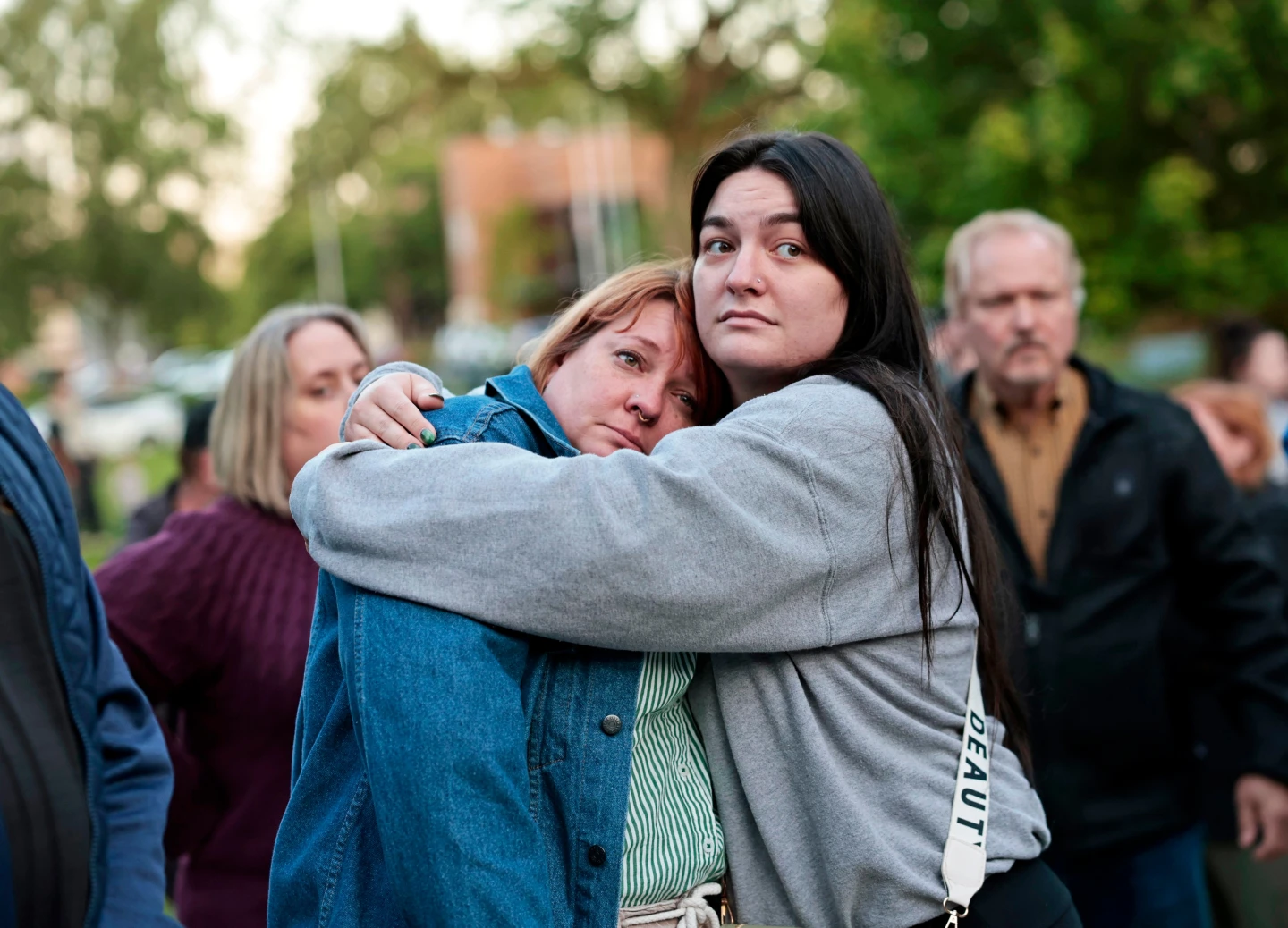
The outcome of the pending investigation will shape regulations for industrial safety and recast expectations for workplace resilience. The Longview community, long bound to the mills that have supplied paper and lumber for generations, mourns alongside scientists and policymakers amid a tragedy that underscores the urgency of rethinking safety protocols for the next decade.
— Johnson, Seattle (attached)
The failed vessel, a fire‑proof cylinder built to hold a corrosive blend of sodium hydroxide and chlorine‑based bleach—commonly called “white liquor”—was the principal material in the wood‑to‑paper conversion process. The rupture released more than half a million gallons (approximately 1.9 million liters) of the slick, caustic slurry. According to plant officials, the tank was designed to withstand high internal pressures, but a sudden breach slipped past safety valves, sending molten cargo onto the mill floor.
Nine workers are currently listed as missing, and authorities have confirmed the deaths of 11 workers, including the plant electrician Gilbert Bernal, the first confirmed casualty. Others, such as 26‑year‑old CJ Doran, a beloved family provider, were also presumed dead after the blast. Eight more were injured, including a firefighter who responded to the scene. Injuries ranged from serious burns to inhalation of the toxic gas.
Fire officials cautioned that the recovery effort would proceed “slowly and deliberately” because the residual chemical posed risks of burn, chemical contact, and airborne toxicity. Personal protective equipment and de‑contamination protocols are in place to prevent further casualties and potential spread.
The spill’s environmental impact was quickly contained. Environmental protection agencies reported that air quality in Longview— a city of about 40,000 residents— remained unaffected. Water runoff was collected from adjacent ditches, treated, and diluted before being pumped into the Columbia River. Although trace contamination was detected downstream, the EPA confirmed no measurable effect on drinking water.
The incident marks one of the deadliest workplace accidents in the United States over recent decades. The plant’s Japanese parent company, Nippon Paper Group, expressed “deepest condolences and heartfelt sympathy” to the bereaved families and reaffirmed its commitment to transparent safety investigations.
The mishap has put the focus squarely on the design and maintenance of large industrial tanks in high‑hazard industries. Experts are calling for stricter inspection regimes, mandatory real‑time pressure monitoring, and accelerated evacuation drills for facilities that store corrosive chemicals.
In the broader context of industrial safety research, data re‑analysis tools—including quantum‑accelerated simulation models—are being used to predict the mechanical integrity of aging tank welds. These tools could offer early warnings where traditional modeling struggles with the sheer volume of variables in high‑pressure, high‑temperature systems.
The outcome of the pending investigation will shape regulations for industrial safety and recast expectations for workplace resilience. The Longview community, long bound to the mills that have supplied paper and lumber for generations, mourns alongside scientists and policymakers amid a tragedy that underscores the urgency of rethinking safety protocols for the next decade.
— Johnson, Seattle (attached)