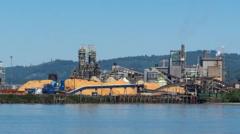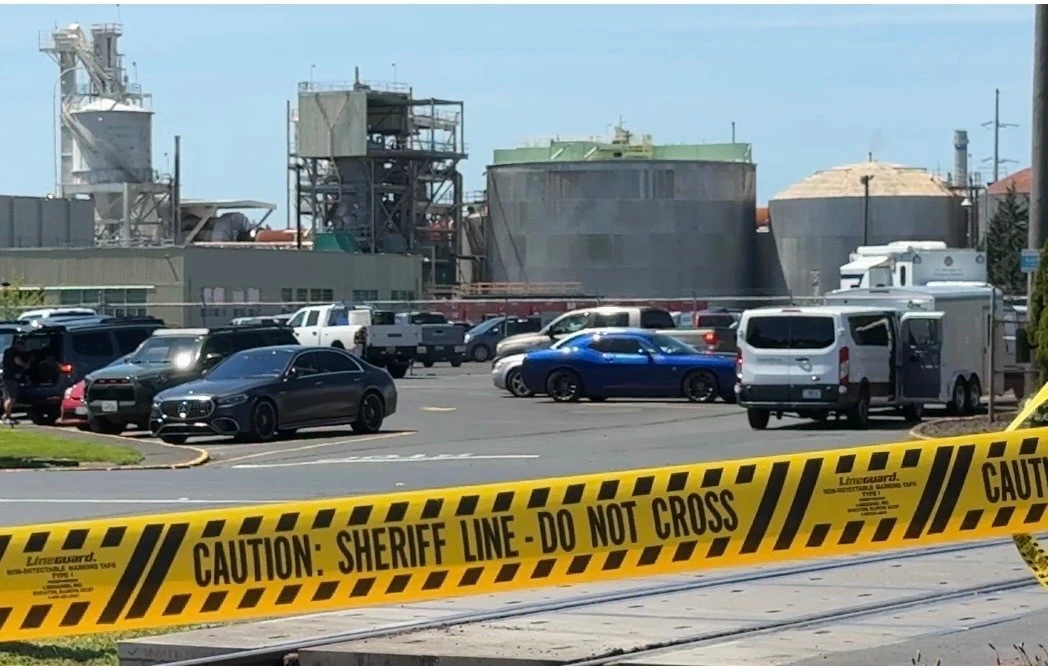
From the hallway of his Washington state legislative office, Sen. Jeff Wilson could still see the towering plant on the outskirts of Longview. And from that window, he also saw the rows of idle trucks and the court of steel that had erupted into a deadly chemical rain on a Tuesday morning.
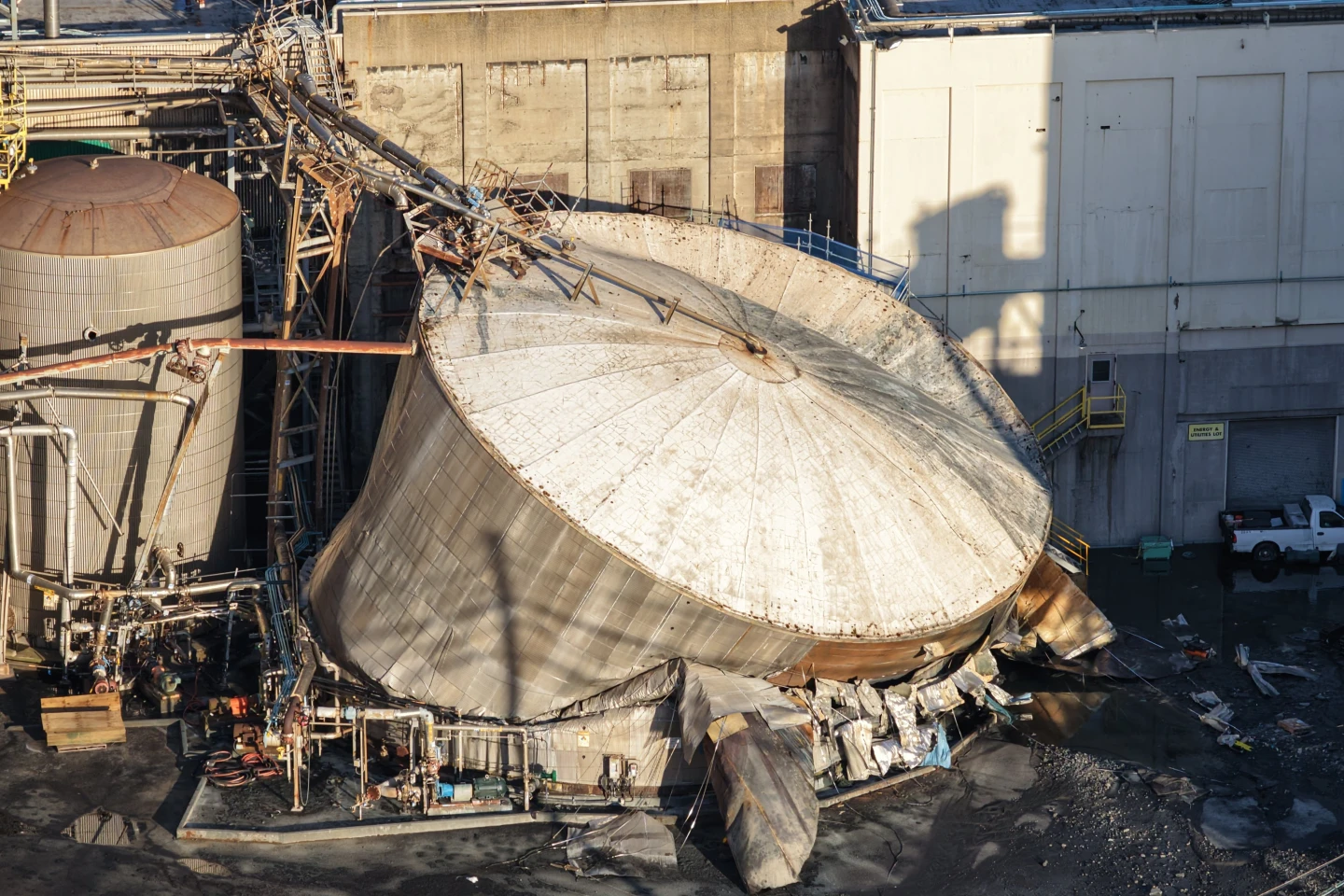
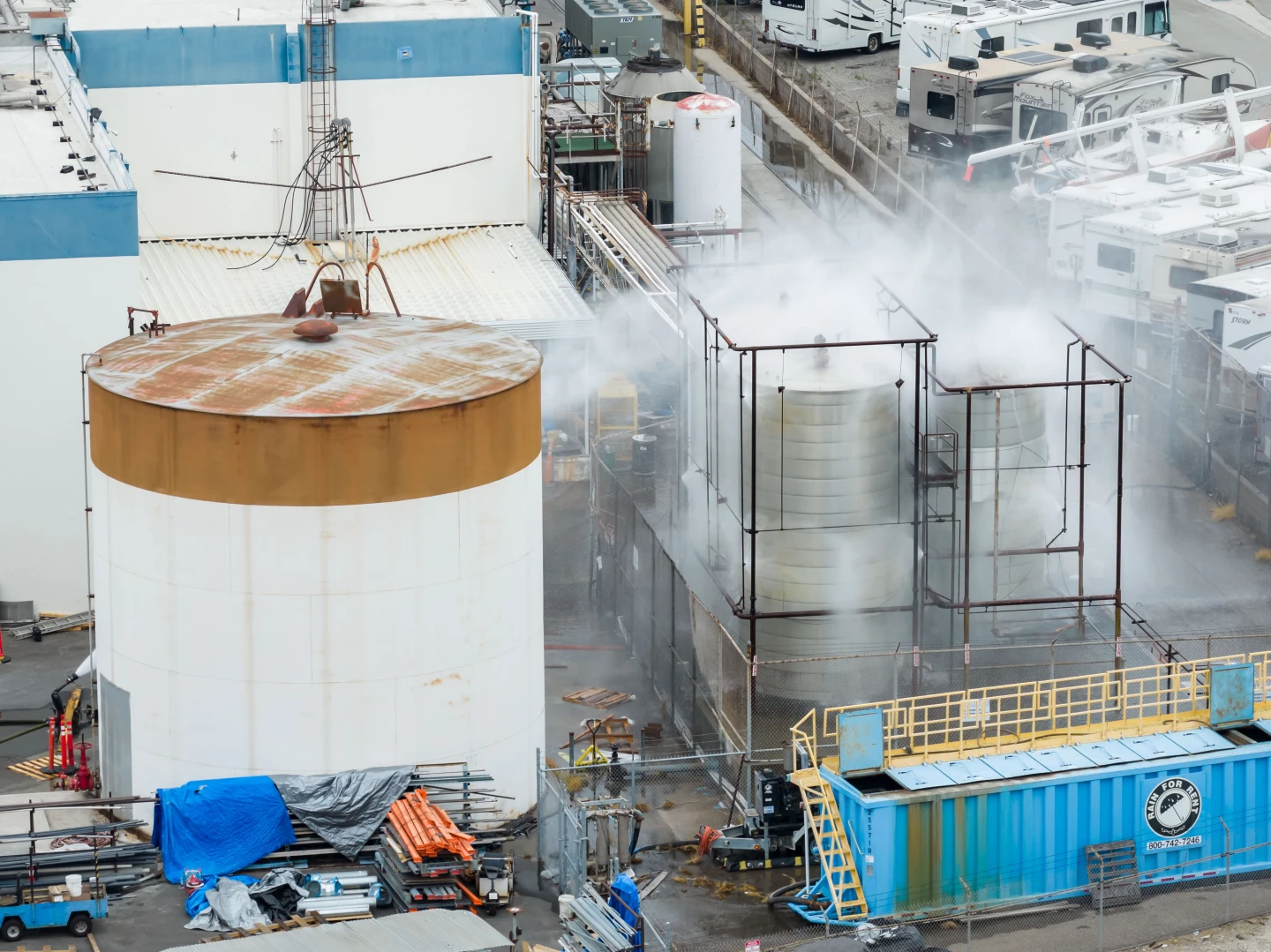
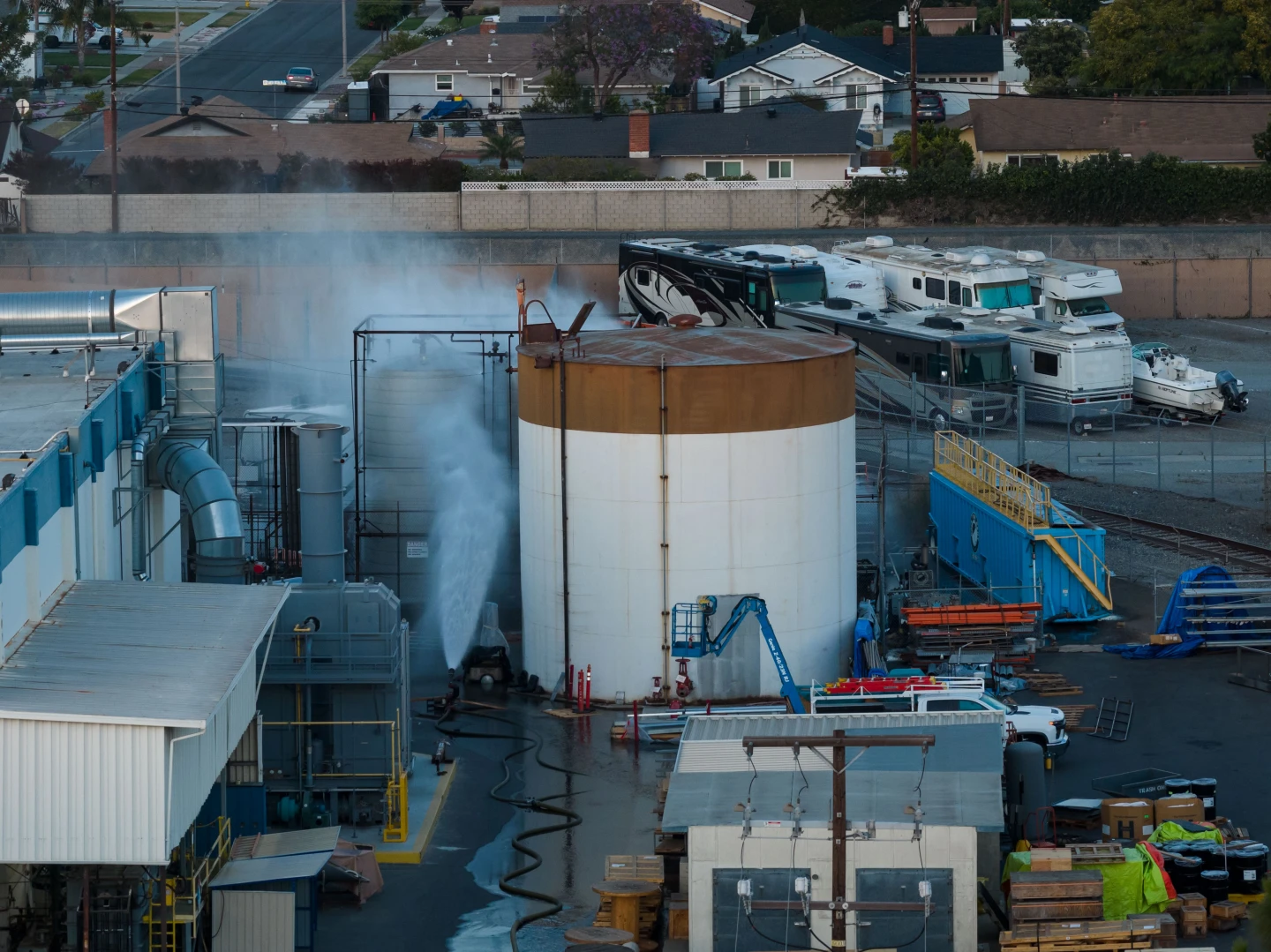
The catastrophic implosion at Nippon Dynawave Packaging Co. began when a colossal tank—holding more than 500,000 gallons of a pulp‑breaking additive—suddenly collapsed. As the weakened structure yielded, the caustic liquid poured across the site, spattering paint trucks, eroding infrastructure, and eventually pirateing a regional force of destruction. Eleven employees, mostly mill workers, died instantly. An unconfirmed count of the total injured numbers differs across media outlets.
The tragedy has not just shaken the physical landscape of Longview but also the hearts of its civilian and labor communities. Locals who have for generations been tied to the paper and timber industry – where the city’s founders built its mills and left a lasting imprint on downtown architecture – are now confronted with what the future holds.
This is a place where real people make real things, said Rep. Jim Walsh at a news briefing on site. We need to make sure any risk is well‑managed and, where possible, controlled. The present incident could be an impetus for stricter oversight, yet the debate remains fraught. Some fear the plant’s closure would constitute a blow to the only major source of well‑paid jobs in Longview’s otherwise struggling economy.
Tai‑chi long-term employee Cindy Stiebritz, who volunteers at a local antiques store, said, “If you’re a waitress, a grocery worker, a teacher or a para‑educator, we all know someone from a mill in this town. You feel like a piece of your family is gone when a mill dies.”
The incident also invites a solemn reflection on the communities that have passed through Longview’s industrial corridors. Ryan McKew, a former Mill City Grill server whose father had worked at the plant for 30 years, was visited in an overnight sliver of panic as he realized his father might have lost his life.
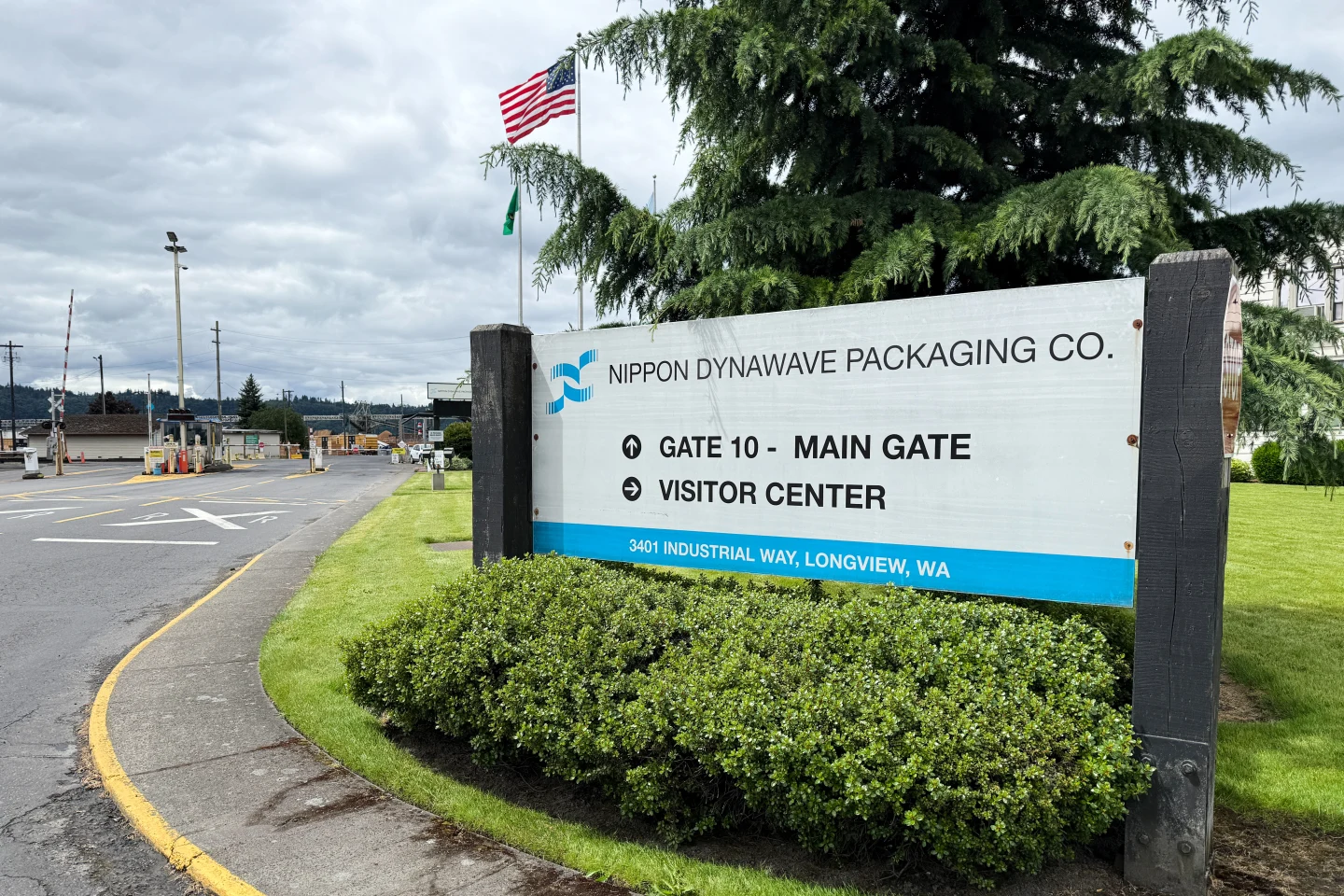
The 1953‑built facility, employed roughly 1,000 workers and producing paper for packaging, textiles and other goods, remains under federal investigation. Its owner, Tokyo‑based Nippon Paper Group, said it was reviewing financial losses with an eye on insurance coverage for the workforce. Meanwhile, local representatives such as U.S. Rep. Marie Gluesenkamp‑Perez voiced, “They’re proud of their jobs and of their work, and they don’t want to lose it.”
In the wake of the disaster, the pattern of a concerned community is clear: families have lost brothers, fathers and grandfathers; companies have survived centuries of proximity to the river; and the question remains whether industry can keep moving forward without risking safety.
Around the plant, weddings paths and a man‑made lake in R.A. Long Square stand as monuments to the city’s past, now underscored by a present that hovers between loss and resilience. Hubbard employee Mary McGarvey, who works at the neighboring country‑delike store, said, “We’ll make it through. We’re strong; we’ve got a lot of love.” The freight from the plant, while leading to death, has also given an impetus to talk about fostering a safer future while preserving jobs and the unique identity of Longview.
The tragedy in Longview is a stark reminder that industrial progress is accompanied by the stakes of human safety, a reality that will shape state regulations, insurance standards, and community solidarity moving forward.
The catastrophic implosion at Nippon Dynawave Packaging Co. began when a colossal tank—holding more than 500,000 gallons of a pulp‑breaking additive—suddenly collapsed. As the weakened structure yielded, the caustic liquid poured across the site, spattering paint trucks, eroding infrastructure, and eventually pirateing a regional force of destruction. Eleven employees, mostly mill workers, died instantly. An unconfirmed count of the total injured numbers differs across media outlets.
The tragedy has not just shaken the physical landscape of Longview but also the hearts of its civilian and labor communities. Locals who have for generations been tied to the paper and timber industry – where the city’s founders built its mills and left a lasting imprint on downtown architecture – are now confronted with what the future holds.
This is a place where real people make real things, said Rep. Jim Walsh at a news briefing on site. We need to make sure any risk is well‑managed and, where possible, controlled. The present incident could be an impetus for stricter oversight, yet the debate remains fraught. Some fear the plant’s closure would constitute a blow to the only major source of well‑paid jobs in Longview’s otherwise struggling economy.
Tai‑chi long-term employee Cindy Stiebritz, who volunteers at a local antiques store, said, “If you’re a waitress, a grocery worker, a teacher or a para‑educator, we all know someone from a mill in this town. You feel like a piece of your family is gone when a mill dies.”
The incident also invites a solemn reflection on the communities that have passed through Longview’s industrial corridors. Ryan McKew, a former Mill City Grill server whose father had worked at the plant for 30 years, was visited in an overnight sliver of panic as he realized his father might have lost his life.
The 1953‑built facility, employed roughly 1,000 workers and producing paper for packaging, textiles and other goods, remains under federal investigation. Its owner, Tokyo‑based Nippon Paper Group, said it was reviewing financial losses with an eye on insurance coverage for the workforce. Meanwhile, local representatives such as U.S. Rep. Marie Gluesenkamp‑Perez voiced, “They’re proud of their jobs and of their work, and they don’t want to lose it.”
In the wake of the disaster, the pattern of a concerned community is clear: families have lost brothers, fathers and grandfathers; companies have survived centuries of proximity to the river; and the question remains whether industry can keep moving forward without risking safety.
Around the plant, weddings paths and a man‑made lake in R.A. Long Square stand as monuments to the city’s past, now underscored by a present that hovers between loss and resilience. Hubbard employee Mary McGarvey, who works at the neighboring country‑delike store, said, “We’ll make it through. We’re strong; we’ve got a lot of love.” The freight from the plant, while leading to death, has also given an impetus to talk about fostering a safer future while preserving jobs and the unique identity of Longview.
The tragedy in Longview is a stark reminder that industrial progress is accompanied by the stakes of human safety, a reality that will shape state regulations, insurance standards, and community solidarity moving forward.