The US ambassador to the UN has accused Rwanda of leading Africa's Great Lakes region toward war, just over a week after a peace deal was signed in Washington to end the decades-long conflict.
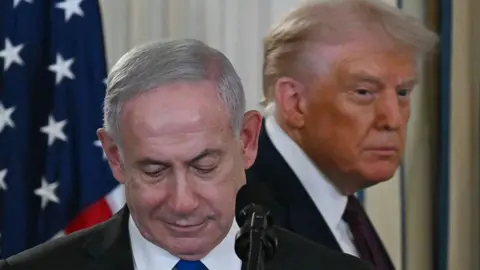
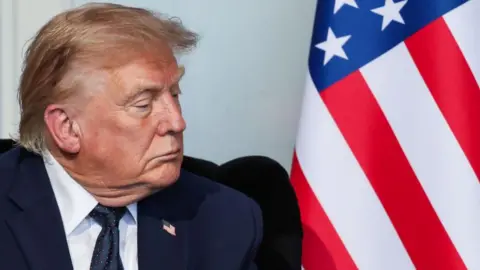
US President Donald Trump hailed the deal between DR Congo's President Félix Tshisekedi and Rwanda's President Paul Kagame as historic and a great day for Africa, great day for the world.
But the M23 rebel group says it has fully liberated the key city of Uvira in an offensive that the US and European powers say is backed by Rwanda. UN experts have previously accused it of having de facto control of the rebel force's operations.
Rwanda denies the allegations; however, its presence in Washington was a tacit acknowledgment of its influence over the M23.
The rebels were not signatories to Trump's deal and have been taking part in a parallel peace process led by Qatar, a US ally.
The latest fighting risks further escalating an already deeply complex conflict.
Why did the M23 seize Uvira now?
Prof Jason Stearns, a Canada-based political scientist specializing in the region, told the BBC that the view in M23 circles was that they need more leverage in the negotiations, while the feeling in the Rwandan government is that Tshisekedi cannot be trusted.
The assault on Uvira, in South Kivu province, flies in the face of all the negotiations that are under way. According to experts, this offensive appears to humiliate the US government amid the peace agreement ratification.
What does it mean for Burundi?
Burundi has traditionally been an ally of DR Congo, sharing similar government challenges concerning rebel groups. The M23's advances could bolster the presence of rival rebel groups within Burundi.
The recent capture of Uvira is seen as a strategic blow, potentially cutting off supply routes and increasing regional tensions.
Where does this leave the peace process?
The US-led peace process now faces significant challenges as regional tensions escalate. Experts suggest the M23's recent actions hinder chances for peaceful negotiations and compliance from DR Congo's government.
While the peace agreement aimed at addressing regional instability, the conflict's resurgence raises questions regarding effective governance and external influence—a pressing concern in the geopolitical landscape of Africa's Great Lakes region.