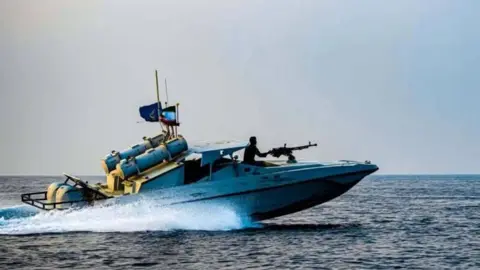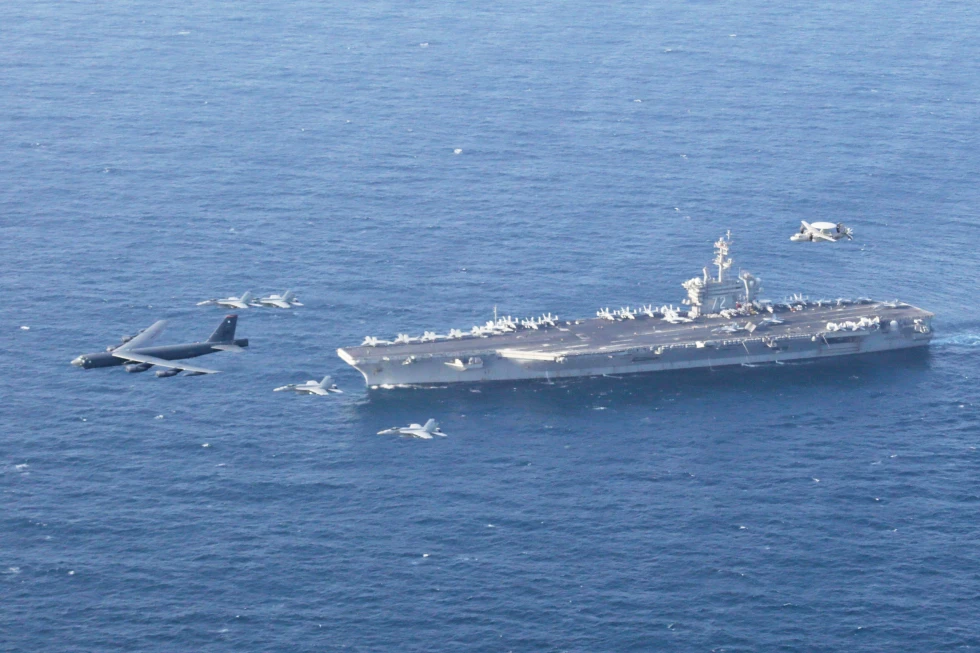
Amid the din of global speculation over US military build-up in the Middle East, Israel's leaders have remained unusually silent.
Aside from some remarks in support of Iran's anti-government protests this month, Israel's prime minister has had little to say publicly about his superpower ally taking on his biggest enemy. His government has remained equally silent.
It shows you the importance Netanyahu puts on this moment, said Danny Citrinowicz, who served for 25 years in Israel's Defence Intelligence, and is now senior Iran researcher at Israel's Institute for National Security Studies.
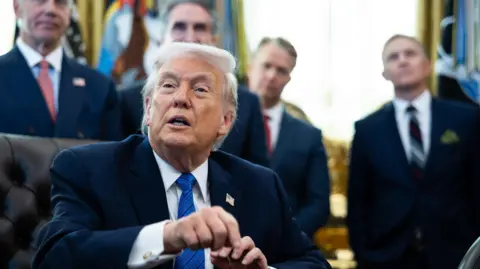
For Netanyahu, being in this position where the US has so many forces in the Gulf, being so close to Trump attacking Iran, this is - for him - a golden moment in time that he cannot forgo.
Asaf Cohen, a former deputy director of Israel's signals intelligence unit, notes there's a strategy in Israel's silence too, believing the US should lead any potential military actions because they possess greater capabilities and legitimacy.
Benjamin Netanyahu views Iran as a key threat and has engaged in discussions with US intelligence agencies concerning potential targets in Iran. While some Israeli lawmakers feel limited strikes could pose greater risks, others argue that a decisive approach is necessary against what they perceive as total evil.
Citrinowicz believes Netanyahu may be pushing the US towards maximal strikes aimed at regime change, viewing previous engagement as insufficient.
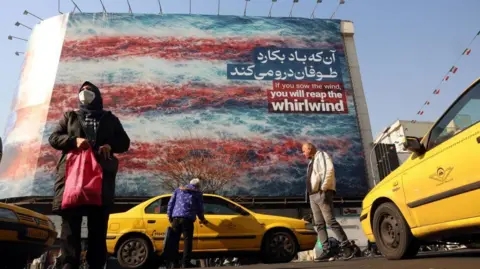
This week, an adviser to Iran's Supreme Leader warned of a severe and immediate response to any US attack, underscoring the precarious tensions in the region.
Many Israelis support a robust military action focused on regime change in Iran, aiming to eliminate the threats posed by its ballistic missile capabilities and its nuclear ambitions. However, there remains uncertainty around the aftermath of a regime shift, as well as concerns about retaliatory measures by Iran.