As the United States navigates a complicated political landscape regarding prediction markets, Congress is increasingly alarmed by the potential for insider trading and ethical concerns surrounding platforms like Polymarket and Kalshi.
Recent events have highlighted the urgent need for regulation in these markets, as lawmakers are concerned about the implications of betting on sensitive political outcomes. With Congressman Seth Moulton at the forefront labeling such betting environments as 'dystopian death markets', voices from both sides of the aisle are joining in the call for reform.
A major catalyst for this movement has been the revelation of highly specific trades that coincided with significant political developments, leading to questions regarding the integrity of these markets.
During a recent hearing, members of Congress united in addressing the concerns surrounding the potential for insider trading, urging the Commodity Futures Trading Commission (CFTC) to enhance its oversight and regulatory capabilities.
Efforts to impose restrictions include a bipartisan bill introduced by Senators Todd Young and Elissa Slotkin, aimed at prohibiting the use of nonpublic information by federal employees within prediction markets. As the dialogue continues, the implications of these regulations could reshape the future of trading on political outcomes.
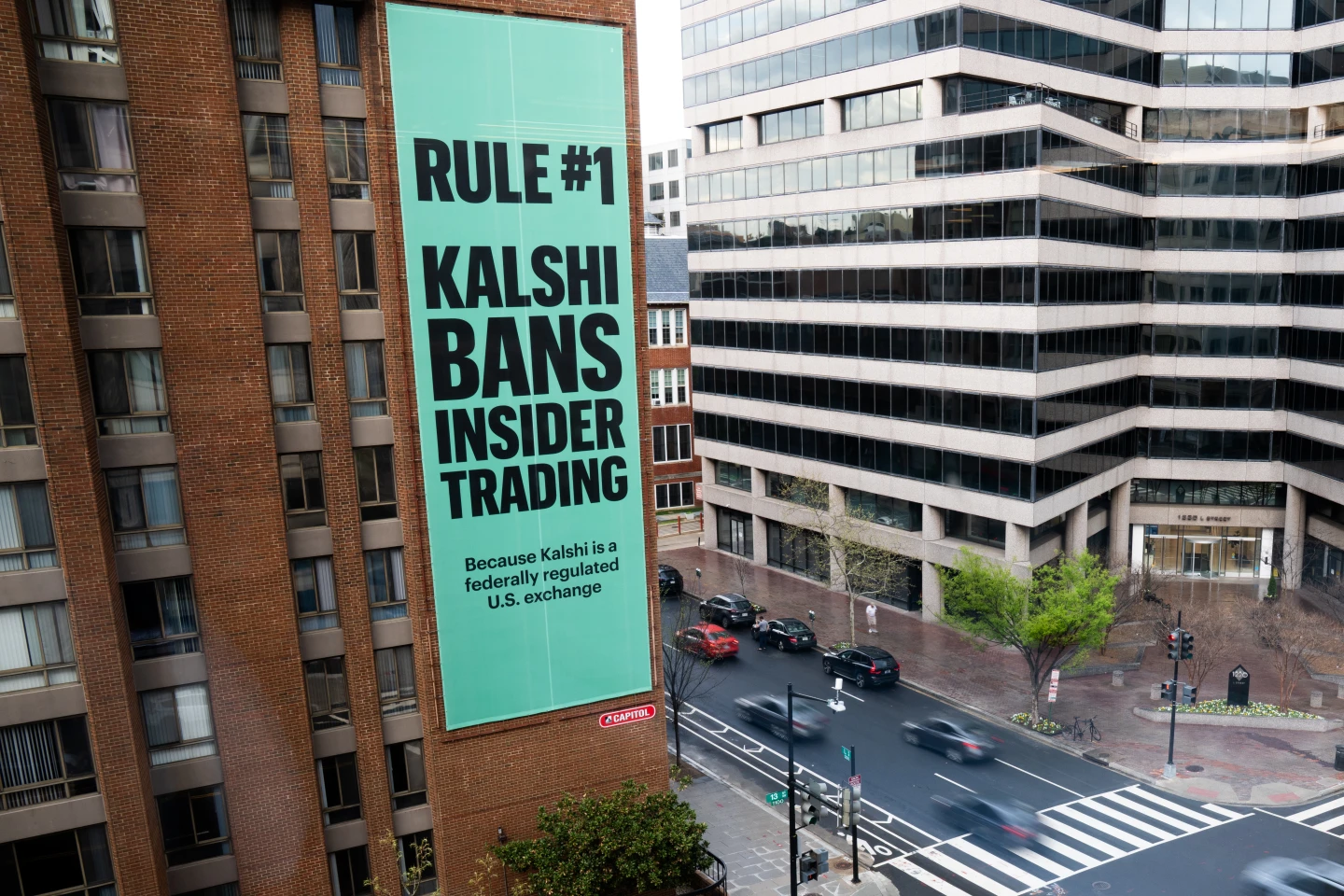
Moreover, criticism of Polymarket has intensified as it operates globally, raising ethical concerns amid reports of substantial profits gained through controversial bets. Companies like Kalshi, which emphasizes regulatory compliance, are positioning themselves as preferable alternatives in the evolving marketplace.
As discussions persist in Washington, the momentum for establishing regulatory frameworks to ensure fair play in prediction markets signals a notable shift in how these platforms are perceived on Capitol Hill.