Last week, India announced it would implement what many say are its most far-reaching economic reforms in decades - compressing 29 federal laws that regulated labour into four simplified codes.
As a result, the number of rules that govern labour has now come down from a staggering 1,400 to around 350, while the number of forms companies had to fill in has reduced from 180 to 73 - drastically lightening the regulatory burden on businesses.
The laws received parliamentary approval in 2020 but are finally set to be uniformly implemented across the country after a five-year delay and substantial political wrangling.
Companies have long blamed restrictive labour practices for the stagnation in India's manufacturing sector, and these changes have been welcomed by them. Notably, Nomura, a broking house, remarked that the reforms signal the government's intent to ease business, attract more foreign direct investment (FDI), and integrate into global value chains (GVCs).
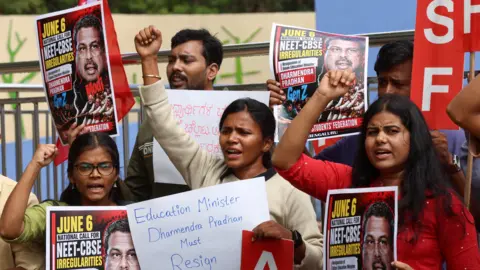
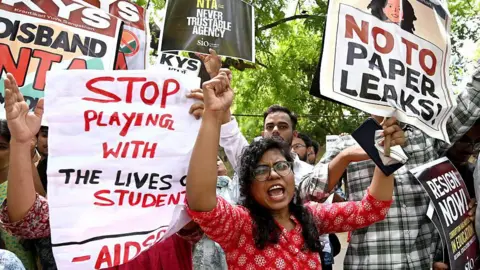
However, trade unions have vehemently opposed the rollouts, describing the codes as the most aggressive abrogation of workers' rights since India's independence. Protests erupted across the nation, particularly in Delhi, where left-leaning unions organized demonstrations against the reforms.
Many workers voiced their concerns, feeling the laws primarily benefit employers rather than employees. Akashdeep Singh, a factory worker, stated that the new laws would predominantly favor corporations.
The government argues that these reforms aim to modernize outdated laws, simplifying compliance and enhancing worker protections, even granting legal recognition to the burgeoning gig workforce. Provisions for mandatory appointment letters, uniform minimum wages, annual health check-ups for older workers, and gender-neutral pay are viewed as steps forward.
However, contentious elements remain, including rules that ease the processes of firing employees and impose stricter conditions on strike actions. Previously, factories with 100 or more workers required government approval to lay off employees; this threshold has now been increased to 300. Additionally, new regulations necessitate a 14-day notice before strikes.
Workers' advocates claim these changes exclude a large section of the workforce from legal protections, amidst existing grievances that are already piled up in the judicial system. They argue the reforms are reducing workers' bargaining power in an economy where job security is already tenuous.
Despite the ideological divide, analysts concur that the old, complex labour regulations often hindered compliance and were susceptible to misuse by inspectors. The new codes aim to address these inefficiencies while hoping to invigorate India's underutilized workforce and informal economy.
While uncertain about the immediate impacts on manufacturing growth, experts note that organizations will have to adapt to evolving wage structures, human resource systems, and compliance regulations as they navigate the effects of these reforms amidst ongoing resistance from unions.