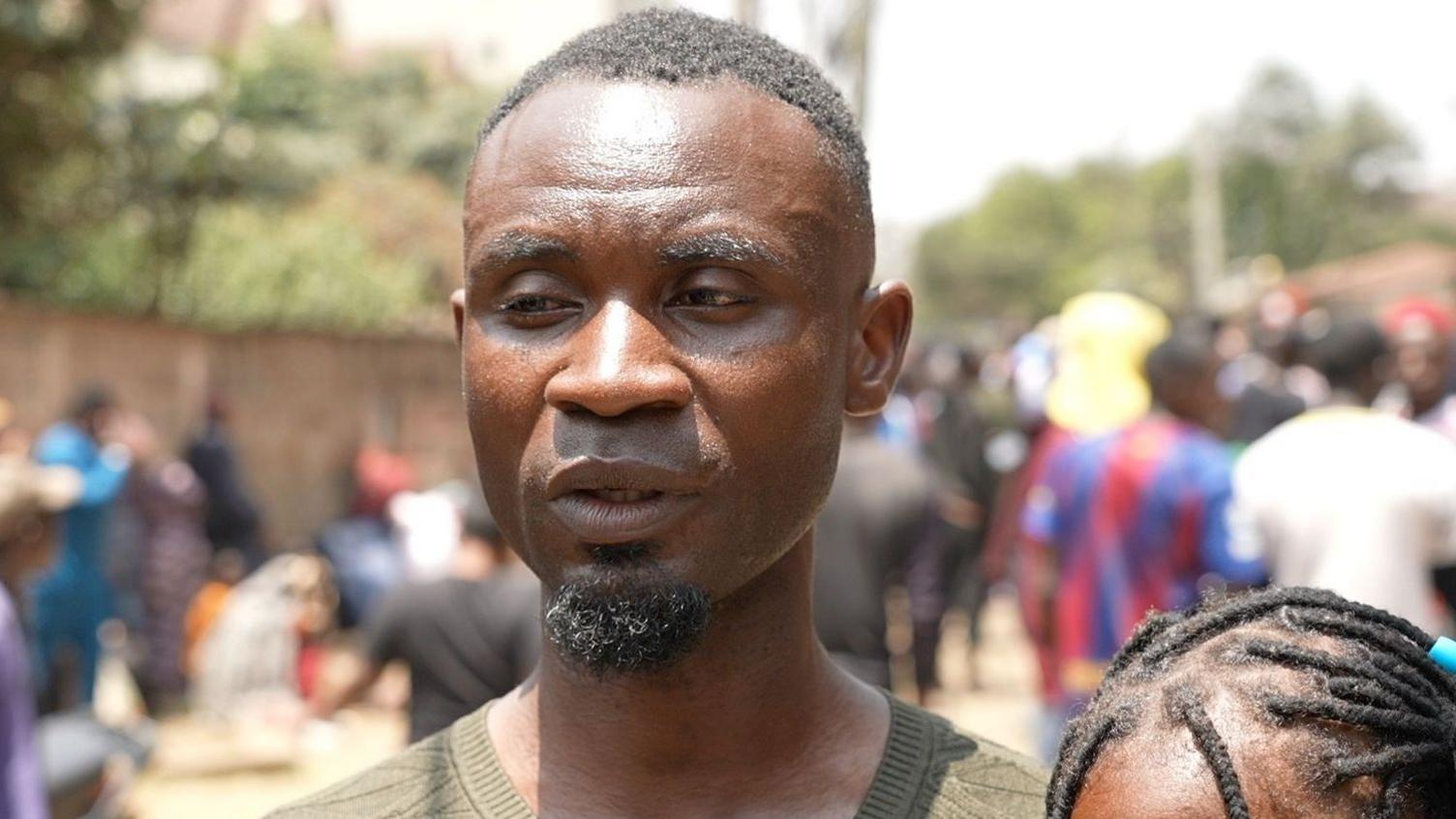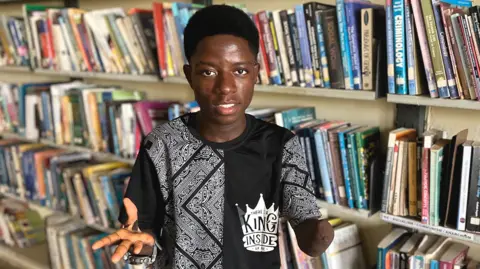
At the age of 13, Ovey Friday was accused of witchcraft by his stepmother and taken to a traditional shrine in Nasarawa, Nigeria, where he endured torture. By the time he was rescued, irreversible damage had been done, resulting in the amputation of his left hand and severe scarring on his right. Despite the physical and emotional trauma, Friday remained determined to continue his education.
"When I was born, nobody knew this would happen to me," he lamented, recalling the stigma and pain he faced in the years following his ordeal. His resolve was put to the test when he attempted to take Nigeria's university entrance examination, where a biometric system failed to recognize his scarred thumbprint or the prints of other fingers. Fortunately, with the help of disability rights advocates, he successfully used his toe print for identification.
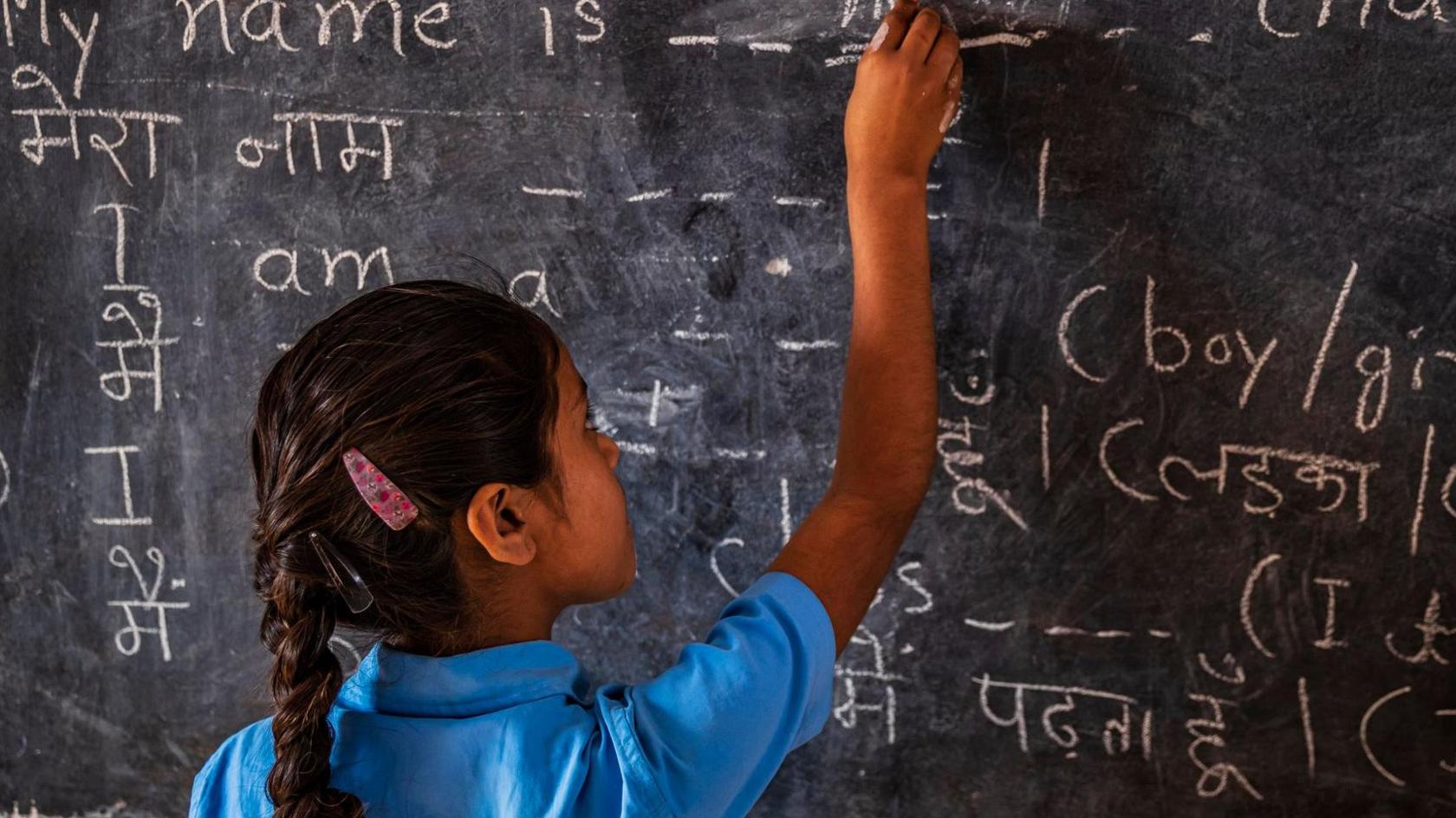
Today, Friday is enrolled in university, studying English and literary studies, becoming the first in his family to pursue higher education. His story reflects broader systemic failures faced by millions of Nigerians with disabilities, many of whom require simpler adaptations for basic inclusion in society and education.
Advocates urge the need for more inclusive systems, highlighting that true accessibility goes beyond just physical adjustments; it encompasses a complete rethinking of education, employment, and public services to ensure that no one is left behind.
"When I was born, nobody knew this would happen to me," he lamented, recalling the stigma and pain he faced in the years following his ordeal. His resolve was put to the test when he attempted to take Nigeria's university entrance examination, where a biometric system failed to recognize his scarred thumbprint or the prints of other fingers. Fortunately, with the help of disability rights advocates, he successfully used his toe print for identification.
Today, Friday is enrolled in university, studying English and literary studies, becoming the first in his family to pursue higher education. His story reflects broader systemic failures faced by millions of Nigerians with disabilities, many of whom require simpler adaptations for basic inclusion in society and education.
Advocates urge the need for more inclusive systems, highlighting that true accessibility goes beyond just physical adjustments; it encompasses a complete rethinking of education, employment, and public services to ensure that no one is left behind.