In brief
The Environmental Protection Agency (EPA) under the Trump administration has initiated a proposal to rescind the federal 'Good Neighbor' rule that limits smokestack emissions affecting neighboring states. If approved, states including Alabama and Kentucky will have more autonomy in managing ozone pollution without federal approval. Critics argue this may worsen air quality, particularly affecting downwind states. The EPA's move is part of a broader effort to allow states to choose their own pollution control methods.
WASHINGTON (Quanta Report) — In a recent development, the Environmental Protection Agency (EPA) under the Trump administration has proposed the rollback of regulations that limit smokestack emissions impacting nearby states. This move concerns the so-called 'Good Neighbor' rule which intended to mitigate air pollution from coal-fired power plants and other industrial sources.
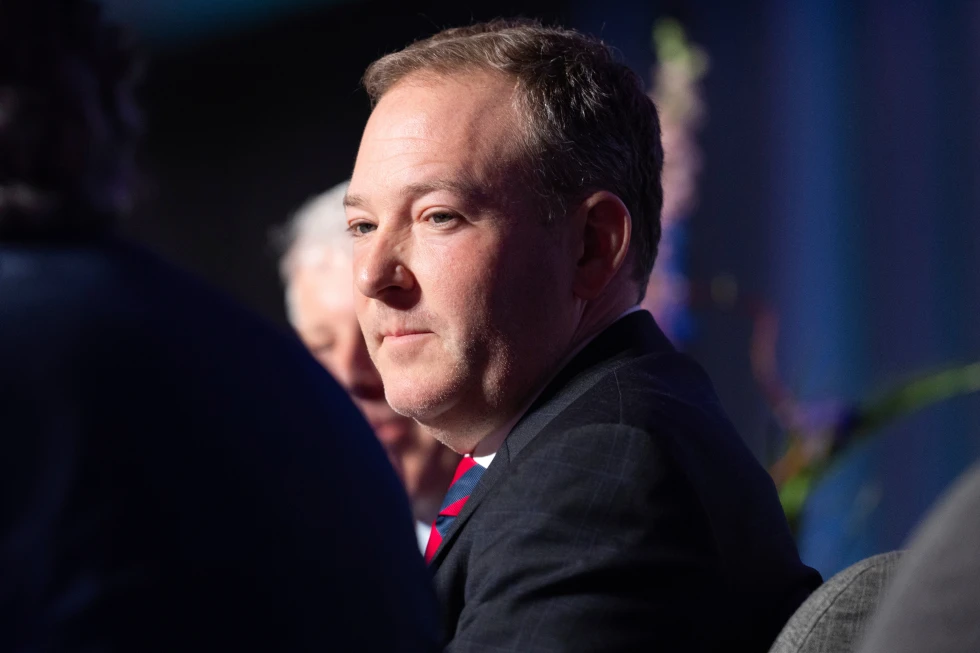
EPA Administrator Lee Zeldin announced that eight states—Alabama, Arizona, Kentucky, Minnesota, Mississippi, Nevada, New Mexico, and Tennessee—would be permitted to create individualized plans to regulate ozone pollution as they see fit, reducing reliance on federal oversight. This shift comes following a Supreme Court ruling from 2024 that limited the EPA’s ability to enforce such sweeping regulations.
The Biden administration previously disapproved similar plans submitted by these states, stating they failed to sufficiently address the interstate transport of pollution. However, Zeldin emphasized the importance of 'cooperative federalism,' arguing that states should have the autonomy to determine their own air quality management strategies.
Critics, including environmental advocates, express concern that this proposed change could lead to increased air pollution, particularly affecting states downstream. Zachary Fabish from the Sierra Club expressed that this approach could compromise air quality and public health, allowing polluting states to disregard their emissions impact on neighboring regions.
As the EPA opens up for public comments on the proposal, analysts are divided on the long-term implications of this regulatory shift, with many fearing it may embolden states to prioritize industrial interests over environmental health.