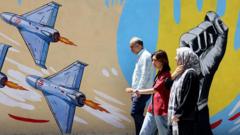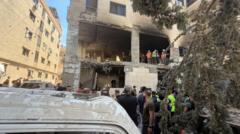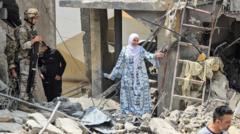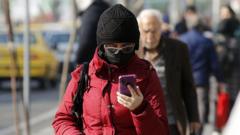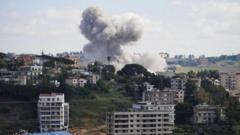
On the plains of northwestern Iran, edged by snow-ribboned ridges, spring nudges almond trees into frothy bloom and a fragile ceasefire brings more traffic onto highways and more Iranians back to their homeland. As one elderly banker reflects on the devastation experienced during recent conflicts, he describes how airstrikes primarily targeted military installations, though concern prevails about the safety of civilians: I'm a bit scared, says a woman in a headscarf.
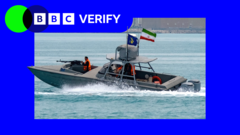
The uncertainty looms large as the two-week truce nears its end, prompting speculation about its sustainability. Many express doubt over the ceasefire's longevity, linking it to the contentious geopolitical climate. A young woman points to Iran's strategic control over the Strait of Hormuz as an insurmountable hurdle in negotiations.
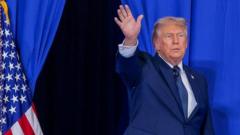
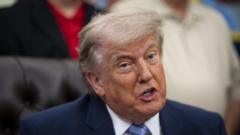
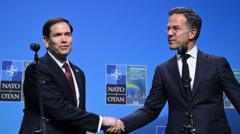
Recent discussions involving U.S. officials and Iranian leaders in Islamabad aim to address key issues, with a backdrop of Trump's hard-line stance and threats that exacerbate the precarious situation.
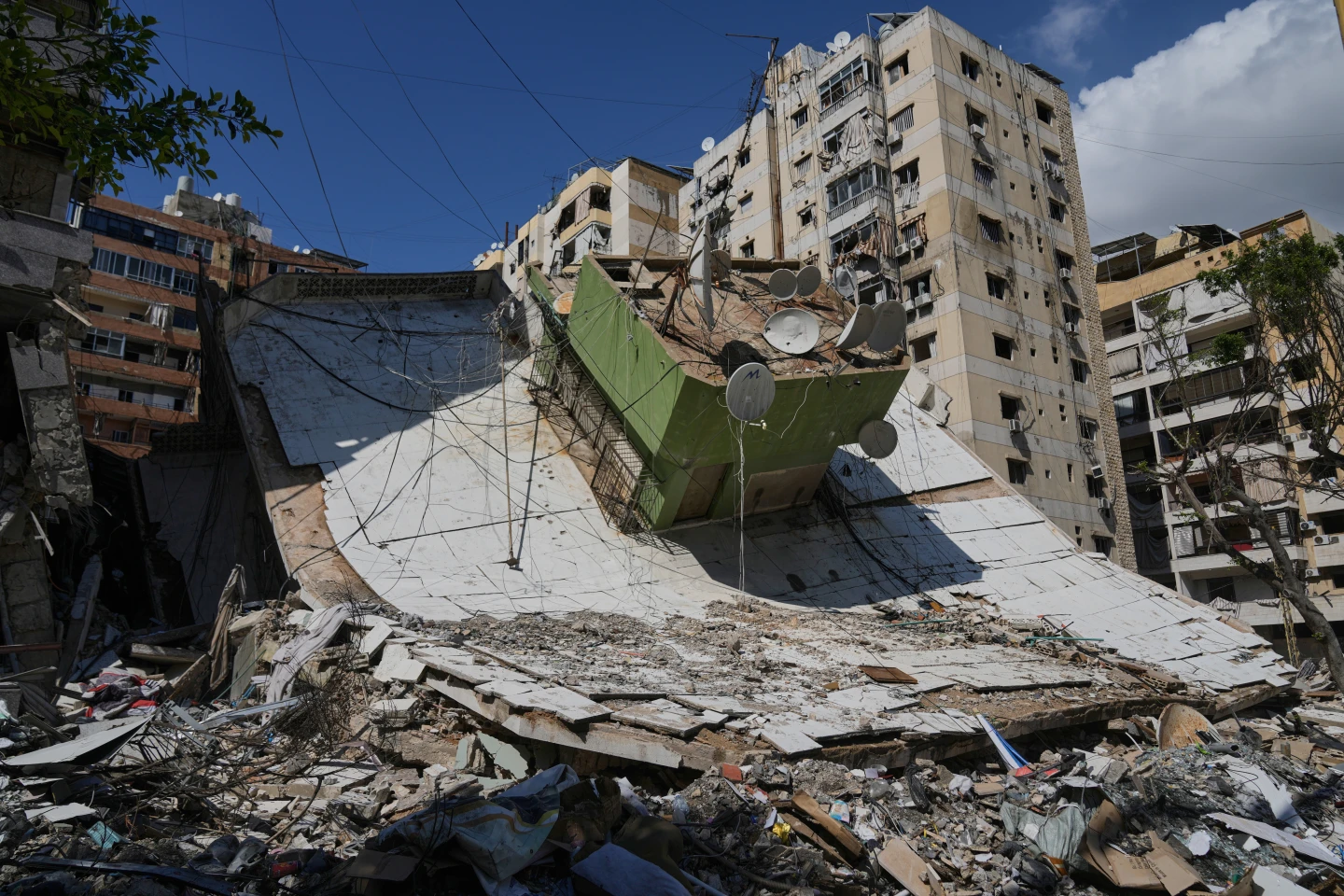
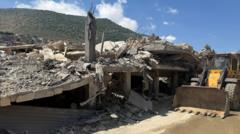
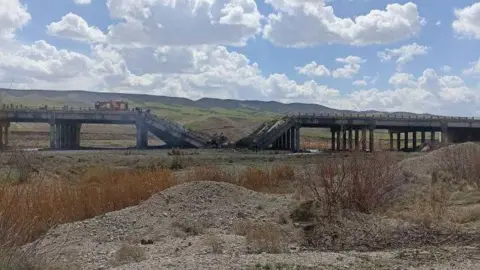
As they navigate routes interrupted by conflict, Iranians bear witness to the scars of war on their infrastructure while grappling with hopes for political and social change amid restrictive state rules following mass protests in recent years.
While some remain hopeful for diplomatic breakthroughs, others question the substance of negotiations and whether they will lead to the end of sanctions that have crippled their daily lives. Amid uncertainty, Iranians seem to be taking each day as it comes, wary yet resilient in the face of ongoing challenges.
The uncertainty looms large as the two-week truce nears its end, prompting speculation about its sustainability. Many express doubt over the ceasefire's longevity, linking it to the contentious geopolitical climate. A young woman points to Iran's strategic control over the Strait of Hormuz as an insurmountable hurdle in negotiations.
Recent discussions involving U.S. officials and Iranian leaders in Islamabad aim to address key issues, with a backdrop of Trump's hard-line stance and threats that exacerbate the precarious situation.
As they navigate routes interrupted by conflict, Iranians bear witness to the scars of war on their infrastructure while grappling with hopes for political and social change amid restrictive state rules following mass protests in recent years.
While some remain hopeful for diplomatic breakthroughs, others question the substance of negotiations and whether they will lead to the end of sanctions that have crippled their daily lives. Amid uncertainty, Iranians seem to be taking each day as it comes, wary yet resilient in the face of ongoing challenges.