In brief
In a dramatic move, Guinea’s President Mamady Doumbouya has dismissed more than 170 soldiers on accusations of desertion, a purge that notably includes Colonel Michel Lamah, the colonel who was integral to the 2021 coup. The decree, aired on state television and read aloud by the president’s spokesman, reflects a broader strategy to consolidate his authority and preclude potential challenges. The dismissals cut across several army branches, though no specific reasons for each case were disclosed. This action follows Doumbouya’s trajectory from military leader to electoral victor in a landslide, amidst a climate of tightened civil liberties and suppressed opposition. Analysts view the purge as a step toward normalizing his regime under the guise of military discipline while tightening the regime’s control over armed forces.
Guinea's President Fires 170 Soldiers Amid Power Consolidation Effort
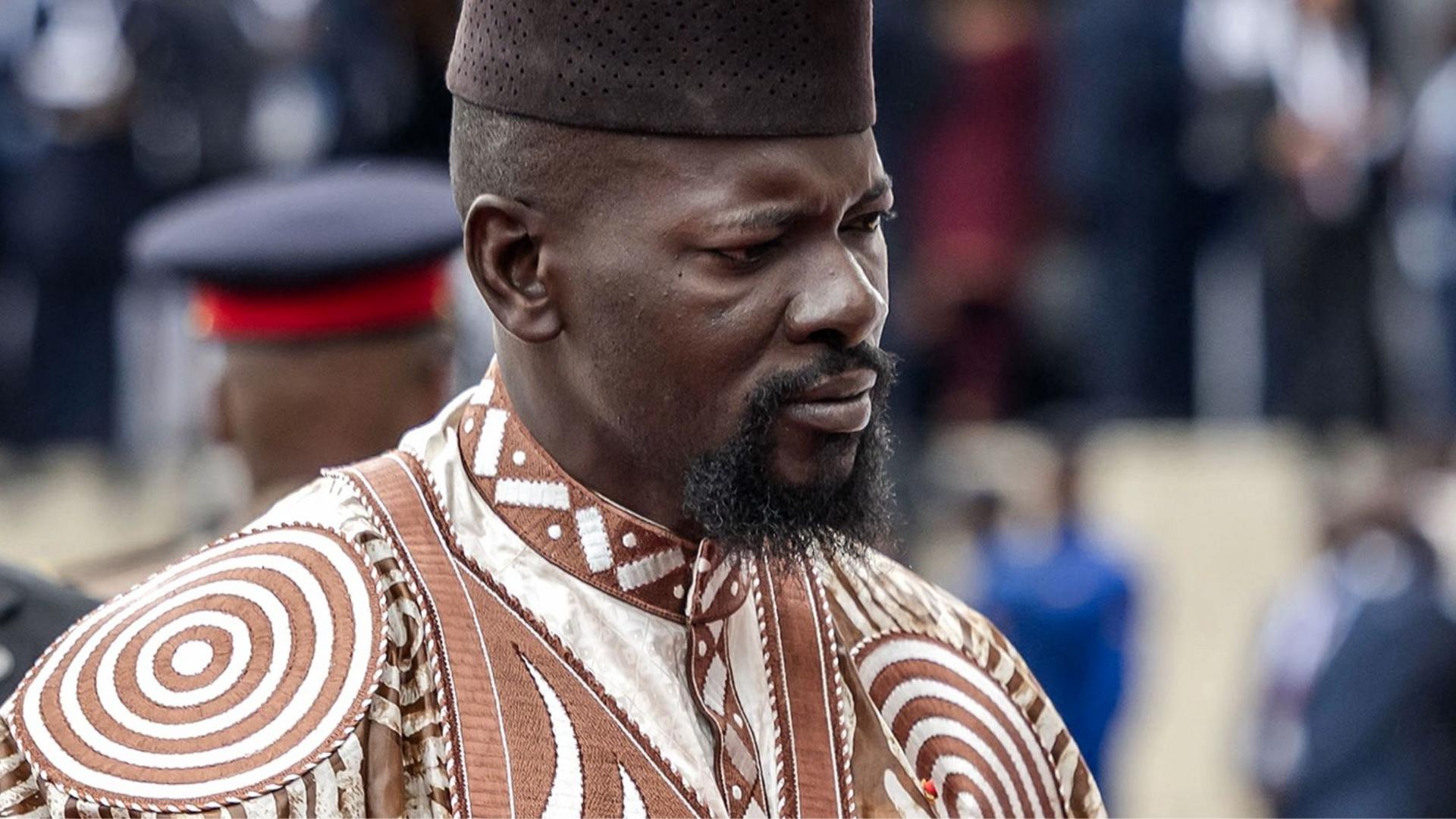
President Mamady Doumbouya, 41, has dismissed more than 170 soldiers on accusations of desertion, a decree broadcast on state television on Monday. The list notably includes Colonel Michel Lamah, a key figure in the 2021 coup that toppled former President Alpha Condé.
Colonel Lamah's background in the Special Forces Group (GFS) positions him at the heart of the military’s elite wing, underscoring the significance of the purge. Doumbouya, who had pledged not to run in a subsequent election after seizing power, voluntarily entered the race in December and secured a 87% majority.
The dismissal, issued through a formal decree, is widely interpreted as part of Doumbouya’s ongoing strategy to cement his grip on Guinea’s political landscape and curb potential dissent within the armed forces. No detail has been released on the nature or circumstances of each accused desertion, reflecting a broader pattern of opacity in the regime’s governance.
The crackdown follows years of tightening civil liberties since the coup; media outlets have been shut, protests banned, and opposition parties sidelined. Even the largest opposition groups – RPG Arc en Ciel and UFDG – were excluded from the recent electoral process.
Guinea’s political climate remains volatile, with the president’s focus shifting from the immediate aftermath of the coup to the nation's economic strategy. Doumbouya seeks to transform the country from a raw material exporter to an industrial processing hub, a goal complicated by the leadership’s increasingly authoritarian approach.
For deeper coverage and related updates, visit BBCAfrica.com and stay informed about Africa’s evolving political scenes.