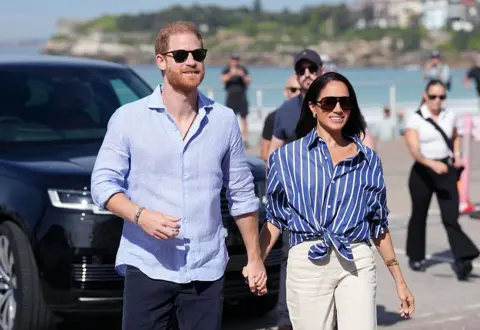
The Duke and Duchess of Sussex have finished their brisk four-day visit to the east coast of Australia. With an itinerary of Indigenous culture, Australian sport, multiple good causes, and a trip to the national war memorial, it had all the hallmarks of a traditional royal tour. However, Prince Harry and Meghan Markle, no longer working royals, were here in a private capacity.
When they last visited in 2018—then still active members of the Royal Family—tens of thousands of people greeted them on a nine-day tour across Australia. This time was different. Most Australians the BBC spoke to were either unaware or uninterested in the couple's visit.
There has been some backlash too, after it emerged Australian taxpayers may be saddled with some of the security costs for their public events. Academic Giselle Bastin from Flinders University remarked on the controlled nature of their appearances to minimize the risk of protests. Despite this, the couple engaged warmly with fans, taking selfies and high-fiving attendees.
The visit featured a mix of public appearances, including a meeting with survivors of a beach attack, and highlighted the couple's emphasis on community and mental health initiatives, with Meghan stating she is 'the most trolled person in the world'.
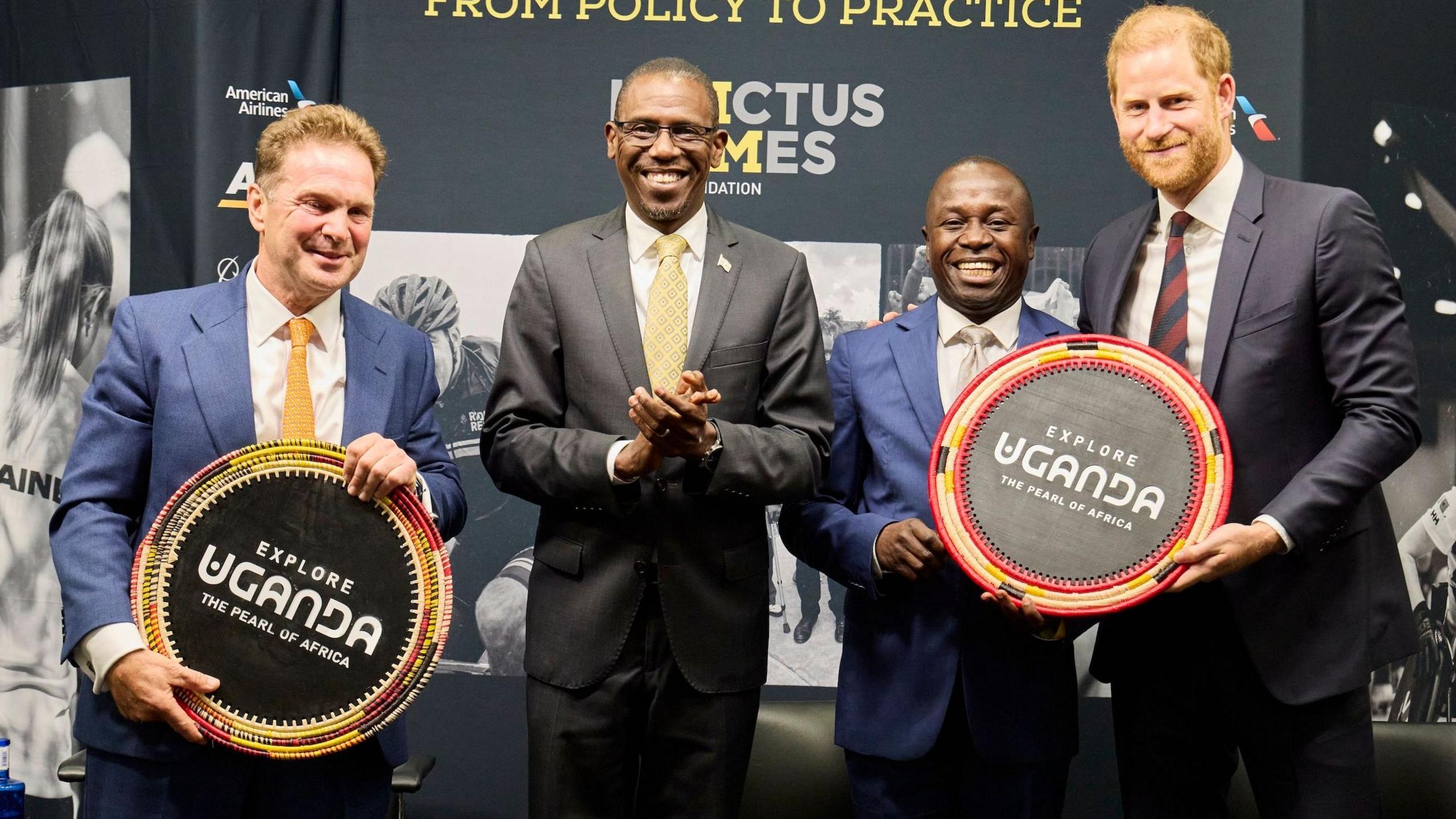
While there was significant focus on their charitable endeavors, the couple also engaged in commercial activities with Meghan being paid for appearances and Harry speaking at a summit with expensive tickets. Critics noted the perceived insensitivity of their monetization efforts amid a cost-of-living crisis.
Despite varying public interest and criticism, supporters defended their right to pursue commercial ventures, emphasizing their positive impact in Australia. As they navigated life away from the royal spotlight, Harry and Meghan's visit demonstrates the challenges and complexities of their new roles as private citizens.
When they last visited in 2018—then still active members of the Royal Family—tens of thousands of people greeted them on a nine-day tour across Australia. This time was different. Most Australians the BBC spoke to were either unaware or uninterested in the couple's visit.
There has been some backlash too, after it emerged Australian taxpayers may be saddled with some of the security costs for their public events. Academic Giselle Bastin from Flinders University remarked on the controlled nature of their appearances to minimize the risk of protests. Despite this, the couple engaged warmly with fans, taking selfies and high-fiving attendees.
The visit featured a mix of public appearances, including a meeting with survivors of a beach attack, and highlighted the couple's emphasis on community and mental health initiatives, with Meghan stating she is 'the most trolled person in the world'.
While there was significant focus on their charitable endeavors, the couple also engaged in commercial activities with Meghan being paid for appearances and Harry speaking at a summit with expensive tickets. Critics noted the perceived insensitivity of their monetization efforts amid a cost-of-living crisis.
Despite varying public interest and criticism, supporters defended their right to pursue commercial ventures, emphasizing their positive impact in Australia. As they navigated life away from the royal spotlight, Harry and Meghan's visit demonstrates the challenges and complexities of their new roles as private citizens.