Two heartbreaking incidents of domestic violence, one in Louisiana and another in Virginia, have ignited urgent conversations about the need for enhanced domestic violence prevention resources and mental health care in Black communities.
Following these tragedies, advocates have expressed that the incidents underscore a troubling reality: Black women are disproportionately affected by domestic violence, highlighting significant gaps in access to necessary care and resources.
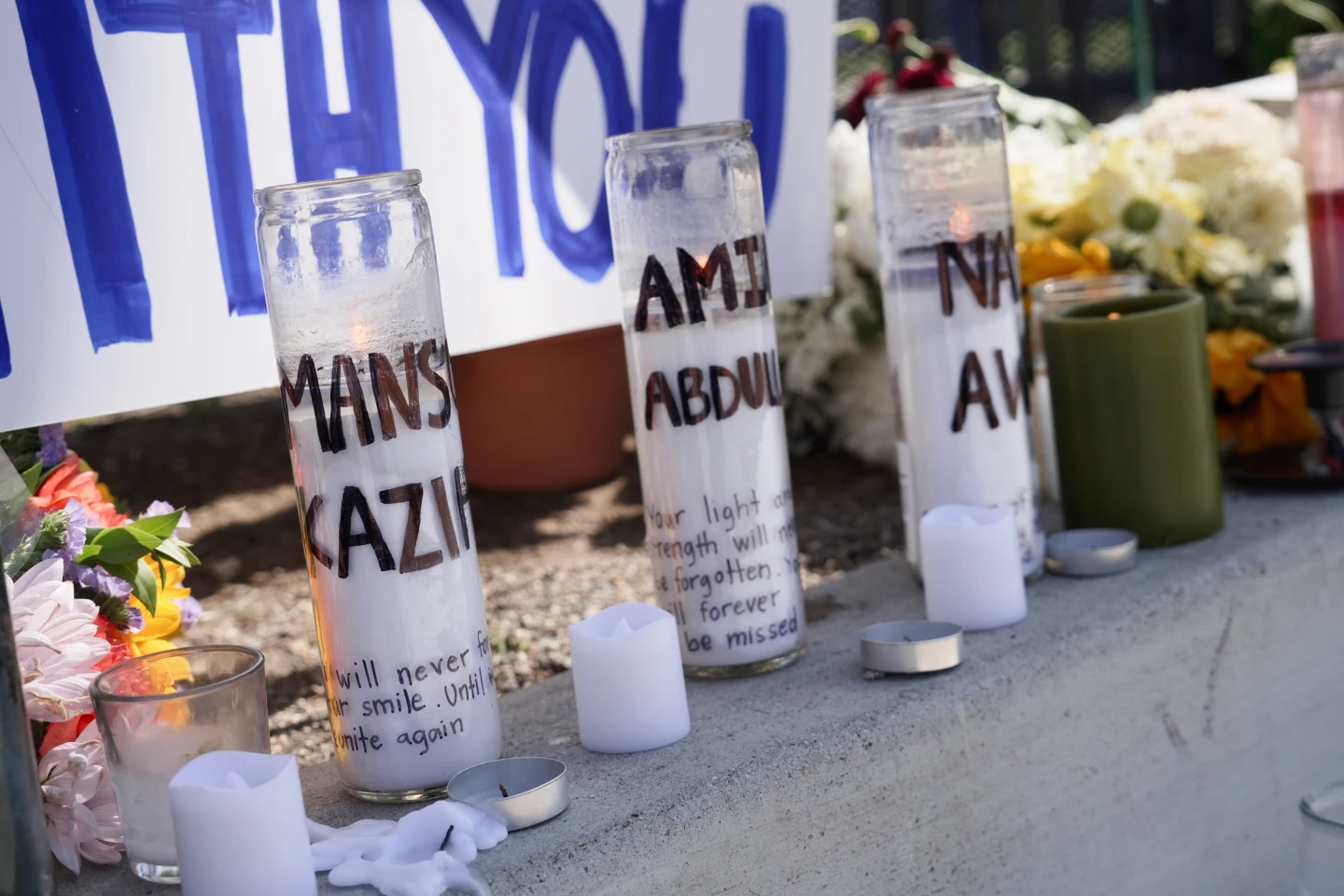
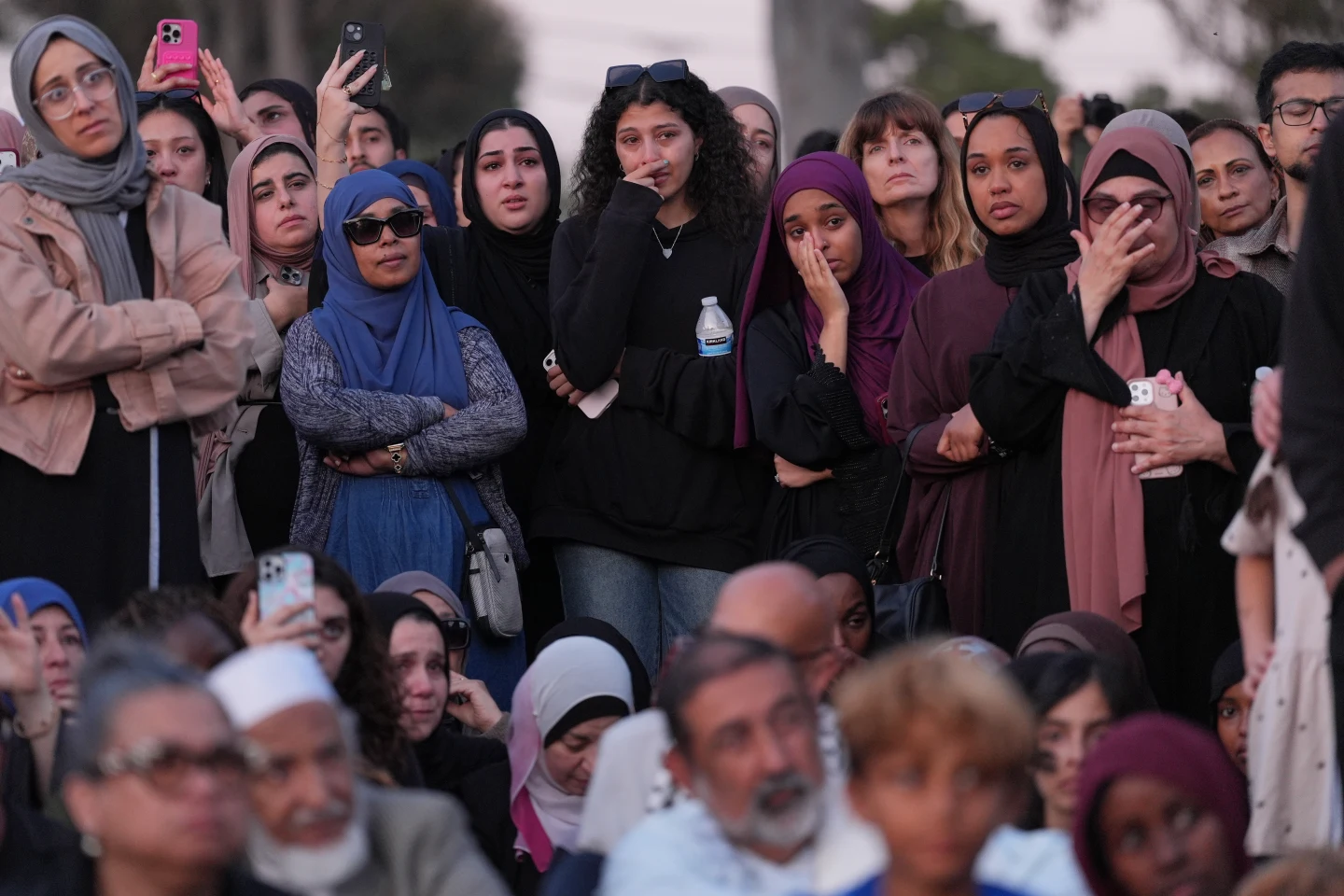
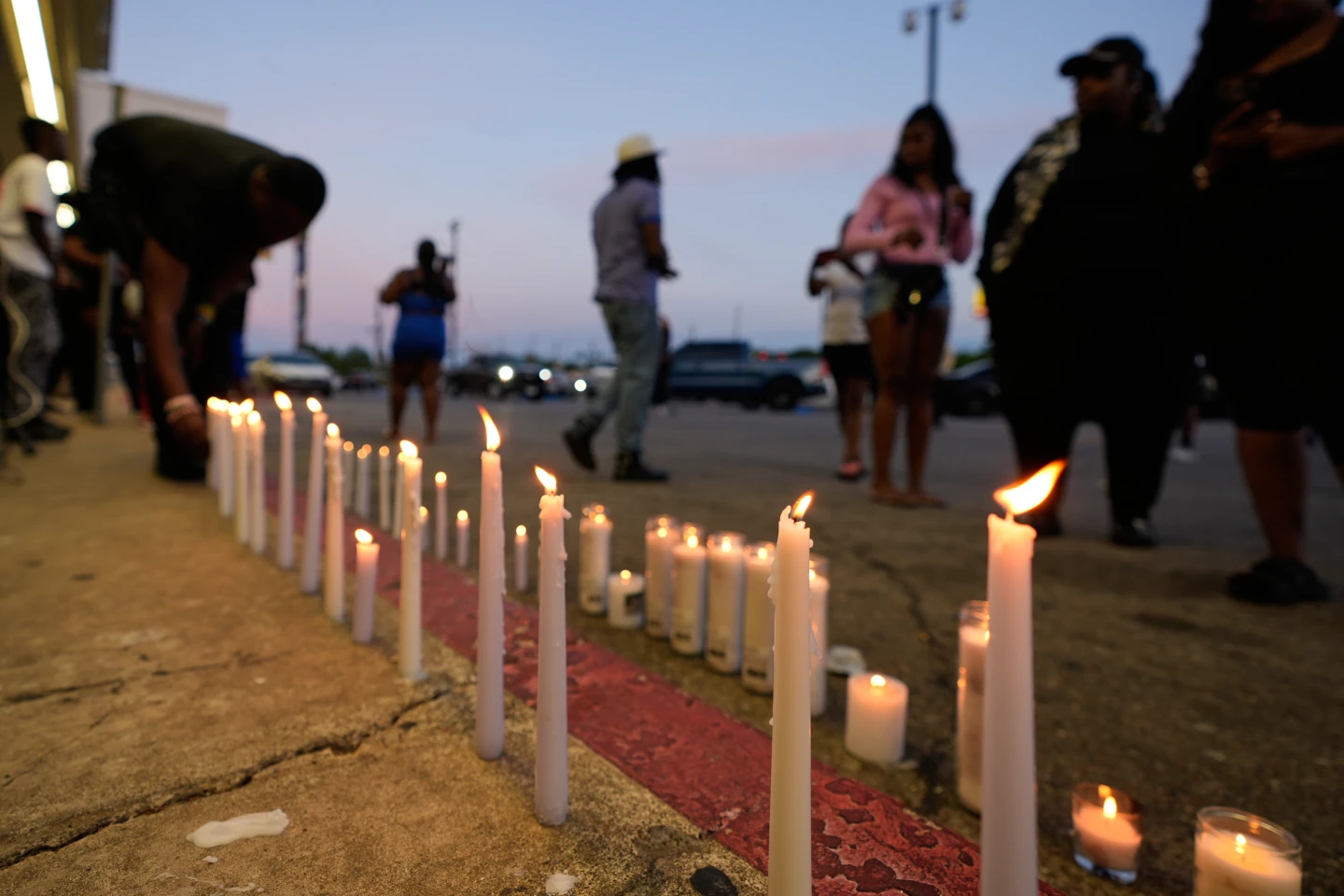
Sunday marked a devastating episode as Shamar Elkins was identified as the perpetrator who fatally shot seven of his children and another member of the family in Shreveport, Louisiana. Reports indicate that he was in the process of separating from his wife, who suffered injuries during the incident.
Just days earlier, the violent deaths of Justin Fairfax, a former Virginia Lt. Gov., and his estranged wife, Dr. Cerina Fairfax, had shocked the nation. Fairfax shot his wife before turning the gun on himself; fortunately, their two children present in the home were unharmed. Legal troubles surrounding their separation were reportedly escalating.
Experts suggest these incidents reflect broader, pervasive issues: according to the CDC, over 40% of Black women endure physical violence from an intimate partner within their lifetimes, a rate significantly higher than their white counterparts.
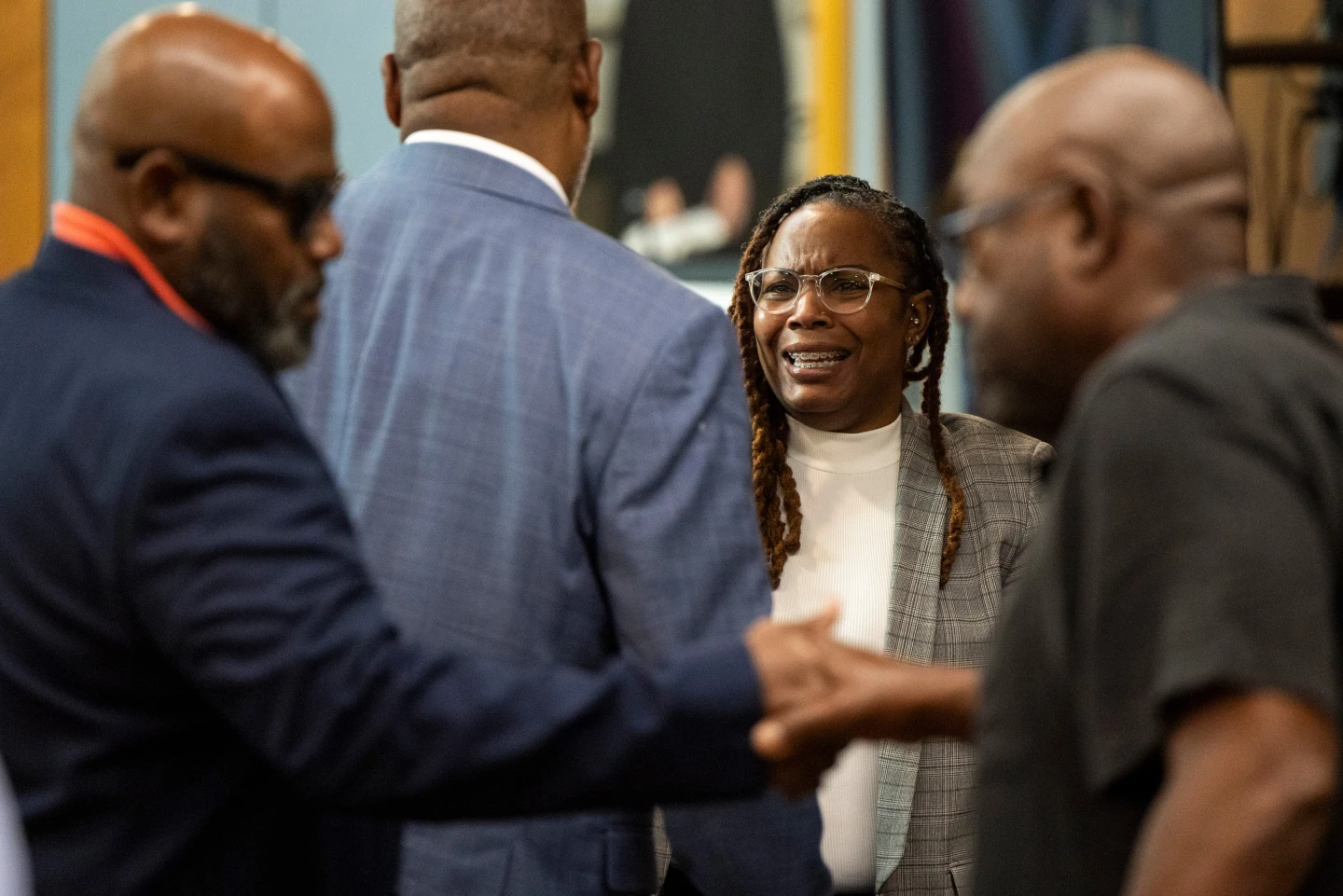
Community leader Mayor Boucher described the horrific violence in Shreveport as emblematic of a true epidemic of domestic violence. With staggering statistics reflecting how race and gender elevate domestic violence risk, conversations around prevention have never been more critical.
Paméla Tate, director of Black Women Revolt, noted cultural hesitations in seeking help due to historical trauma related to systemic racism affecting institutional trust. Moreover, Black women are twice as likely to be murdered by men compared to white women, most often by someone they know.
Both tragedies have led to scrutiny regarding mental health. Reports revealed that Elkins sought help from a VA hospital earlier this year, while Justin Fairfax faced emotional distress amid public scandals. Experts emphasize the lack of accessible mental health care disproportionately affects Black men, exacerbating relationships and household dynamics.
Nevertheless, some voices caution against the idea that mental health struggles can excuse acts of domestic violence. Leaders in the community, including Tate, advocate for holistic approaches that consider both socioeconomic factors and the responsibility of individuals in exercising control over their violent behaviors.
In conclusion, the need for resources that support prevention, recovery, and mental health access in the Black community is vital. Equipping families with appropriate tools and fostering open dialogues about mental health could pave the way for a safer and healthier environment.