
In brief
The Houthis, backed by Iran, announced a missile attack on Saudi Arabia’s Jizan province following Riyadh’s air raids on Houthi-linked targets in Hodeida. The claim follows a lull in U.S. and Iranian retaliatory strikes, but tensions remain high as the U.S. continues to enforce blockades in the Strait of Hormuz. Oil prices have peaked above $100 per barrel amid fears of disrupted shipping through the Red Sea. Diplomatic efforts by Oman and future U.S. meetings in London aim to de-escalate the situation.
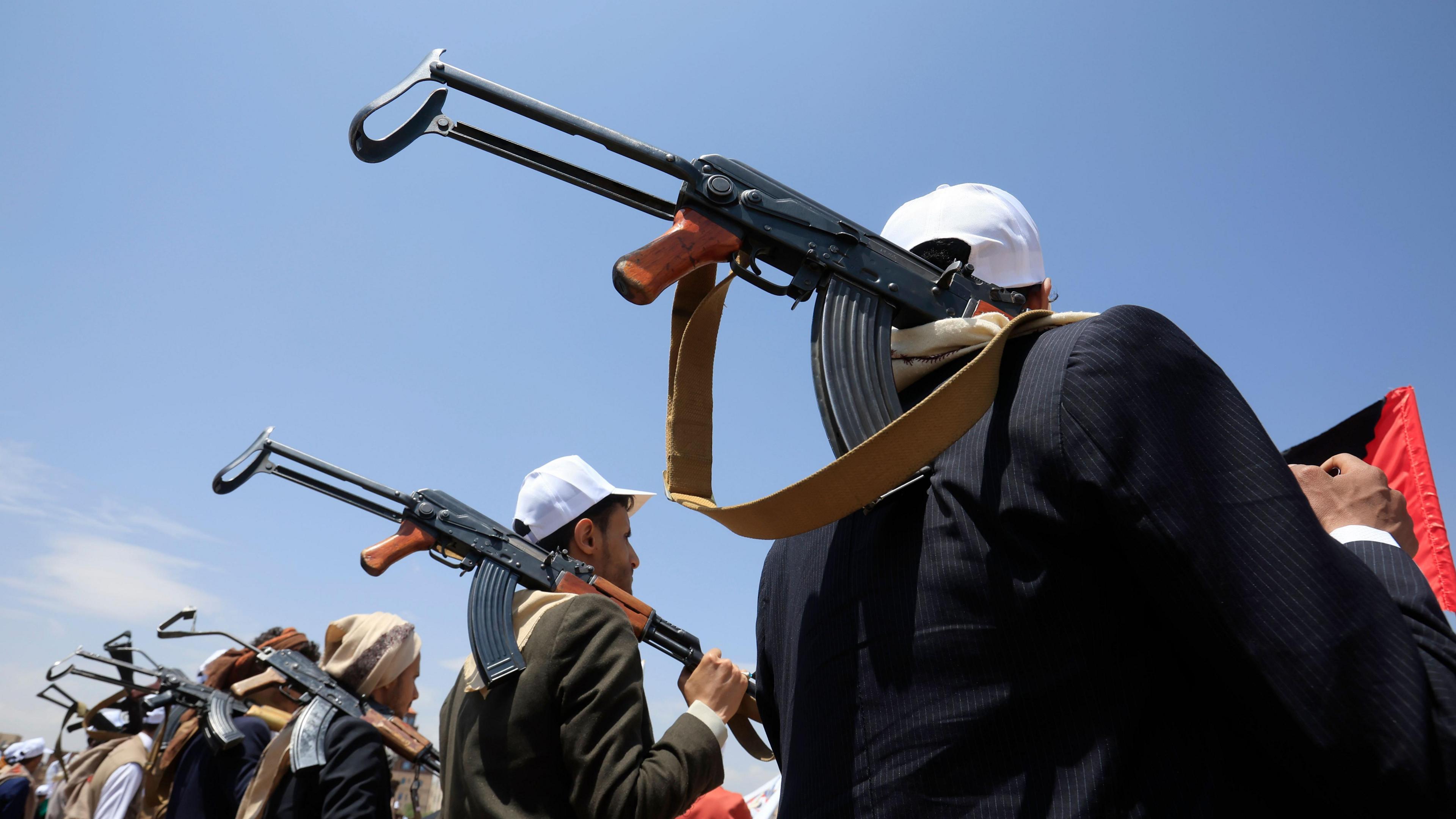
Iran-backed Houthi fighters in Yemen have asserted that they struck Saudi Arabia’s western city of Jizan with a missile. The claim came after Riyadh launched air raids on Houthi-related facilities in the port city of Hodeida and the nearby Kamaran island on Friday.
Early on Saturday, the Houthis’ Ansarollah media posted a statement on Telegram that a “Yemeni missile strike” set fire to parts of Jizan, triggering emergency warnings in the province. The attack comes after a brief pause in fresh strikes from the U.S. and Iran, marking the first lull in two weeks.
The U.S. military has maintained a firm blockade in the Strait of Hormuz, recently disabling a commercial tanker that attempted to circumvent the ban. This continuous pressure has effectively strained shipping routes through the Bab al-Mandeb Strait, contributing to a surge in crude oil prices above $100 a barrel.
Oman’s diplomatic delegation has flown to Tehran to negotiate a resolution over the strait, while U.S. officials prepare a conference in London next week to discuss maritime security. In the meantime, Israeli Prime Minister Benjamin Netanyahu is slated to meet President Trump to explore further cooperation.
Despite the violence, both sides have displayed a willingness to negotiate. The conflict’s dynamics remain fluid, with potential implications for global energy markets and regional stability.

