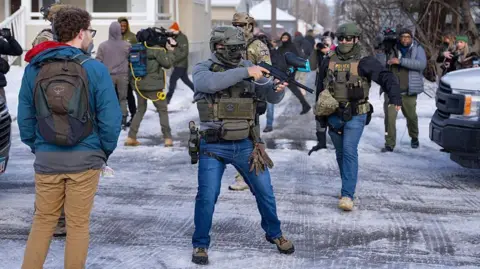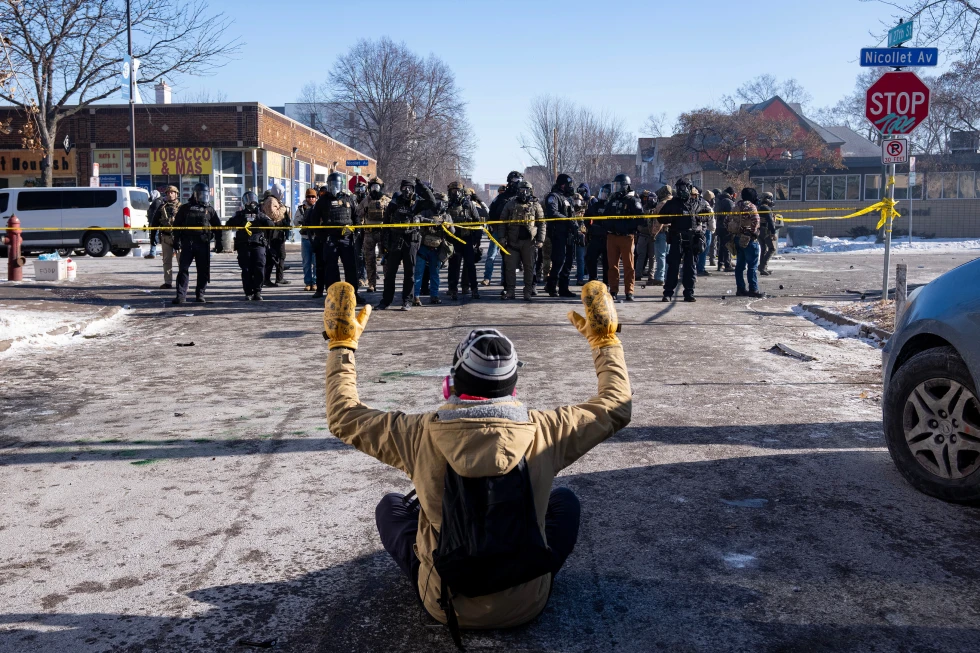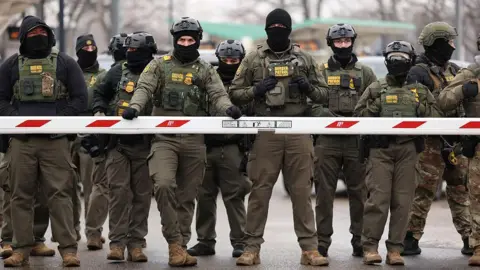
Federal immigration agents deployed in Minneapolis, Minnesota, will soon receive body cameras, according to the U.S. Department of Homeland Security (DHS).
The announcement comes as the government faces backlash over the deaths last month of two U.S. citizens - Alex Pretti and Renee Good - following a surge of federal immigration officers into the Minneapolis area as part of an immigration crackdown.
Effective immediately we are deploying body cameras to every officer in the field in Minneapolis, DHS Secretary Kristi Noem announced on X earlier this week.
The Hennepin County Medical Examiner has ruled Pretti's January 24 death a homicide. Homicide is defined as the killing of one person by another and does not inherently mean a crime occurred. The report indicated that Pretti suffered multiple gunshot wounds from law enforcement and died in a local emergency room.
According to U.S. Customs and Border Protection, the two agents involved in Pretti's shooting were wearing body cameras at the time and have since been placed on administrative leave. The U.S. Department of Justice has initiated a civil rights investigation into his death.
Noem has stated that once additional funding is secured, the body camera program will extend nationwide. This deployment coincides with a partial government shutdown as Democrats continue to seek immigration reforms that include body camera mandates.
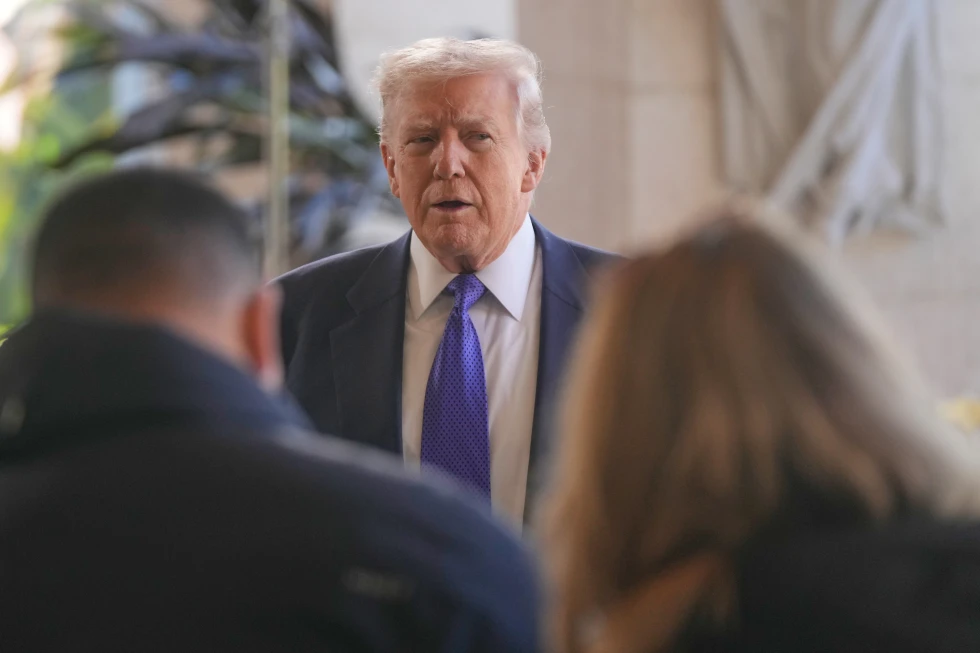
As of last year, Immigration and Customs Enforcement has become the most well-funded U.S. law enforcement agency, with Congress approving $80 billion for its operations. President Donald Trump remarked that body cameras provide protection for law enforcement, as they offer an unfiltered view of events.
In response to public pressures, the administration has reshuffled leadership within the immigration enforcement ranks and is considering reductions in federal agent deployments in the Minneapolis area, subject to local cooperation.
More than 3,000 federal immigration officers are currently active in Minnesota, as part of a federal immigration surge ordered by Trump, aiming to tighten controls on illegal immigration.