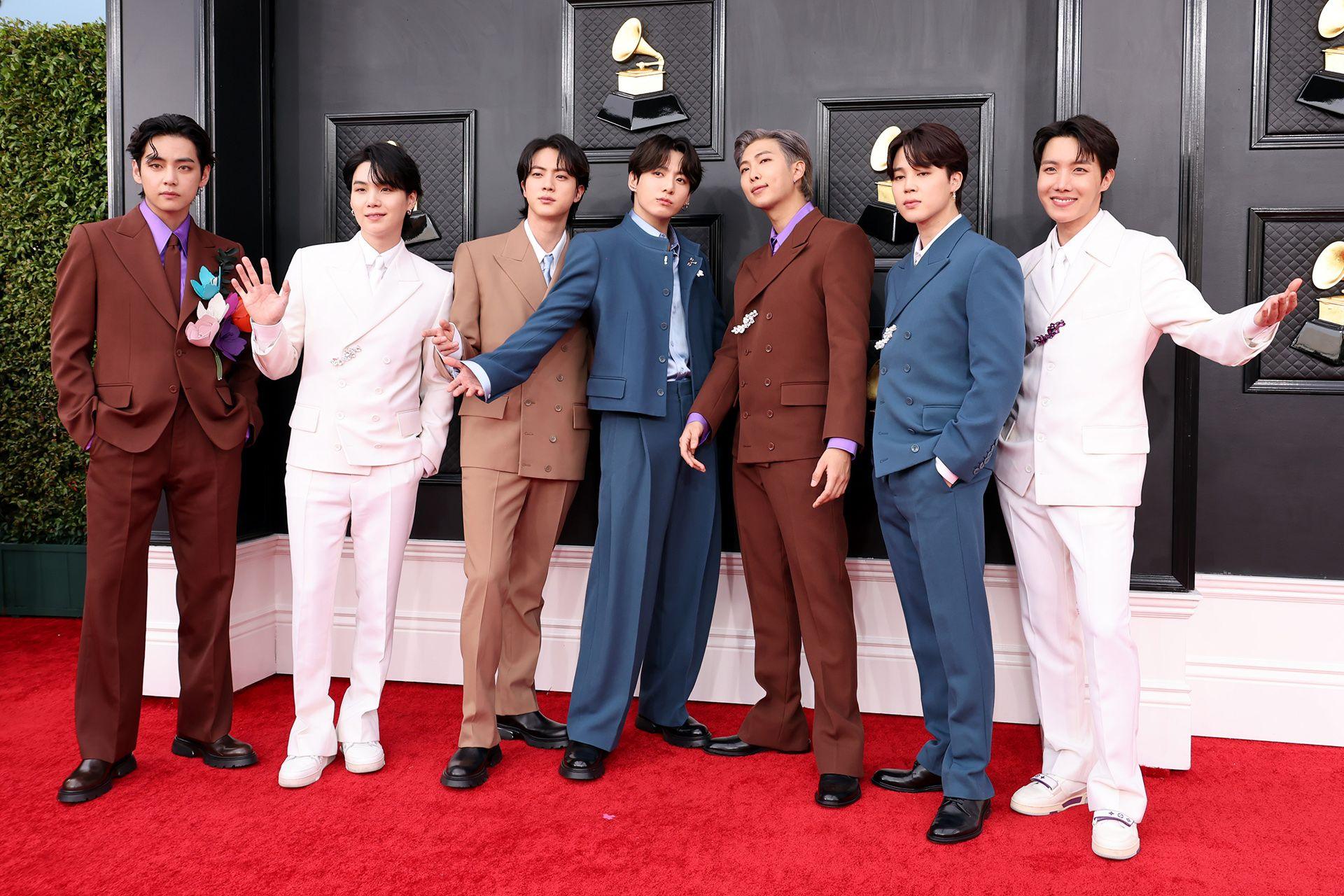
The Grammy Awards served as a critical stage for artists as they expressed solidarity against the government's enforcement of harsh immigration policies. With a backdrop of the Trump administration's mass deportation initiatives, many stars decided to wear protest pins supporting the immigration reform movement.
Throughout the week leading to the event, activists encouraged celebrities to make a statement by donning these pins as they walked the red carpet. The momentum built as more artists joined the movement, a noticeable increase from preceding events like the Golden Globes.
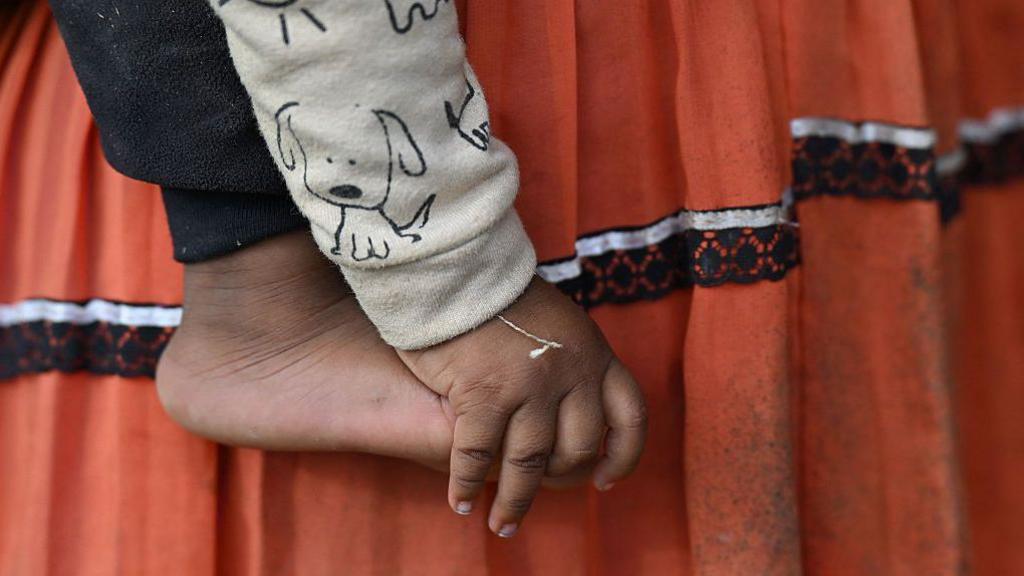
The outcry intensified in light of tragic incidents, including the killing of nurse Alex Pretti and the detention of 5-year-old Liam Conejo Ramos, rallying more public and celebrity support against ICE operations. Grammy attendees, such as Jason Isbell, Margo Price, and Kehlani, celebrated the opportunity to voice their dissent, with Kehlani notably cursing the agency during her acceptance speech.
Organizers remarked on the unique atmosphere of the music industry, noting that it fosters a more rebellious spirit. According to Jess Morales Rocketto, Executive Director of Maremoto, artists at the Grammys were more willing to represent causes they hold dear compared to their Hollywood counterparts.
Leading figures like Becky G explicitly declared their stance against ICE, while others like Natalie Portman and Olivia Wilde participated in a similar advocacy campaign at the Sundance Film Festival just the week before. Their emotional expressions showcased the conflict of celebrating art while acknowledging the troubling current events surrounding immigration enforcement in America.
Despite these expressions of solidarity, Rocketto revealed that numerous artists refrain from overtly political statements due to various industry pressures, including fears over personal safety and corporate types of pacts restricting political expression. This reality highlights ongoing struggles faced by artists regarding advocacy within an often heavily commercialized and regulated environment.
As the night of the Grammys unfolded, the message was clear: artists were poised to use their platforms to influence public discourse around immigration and human rights, embodying the notion that music serves not just as entertainment — but as a call for collective action against injustices.