Warning: This story contains details that readers may find distressing.
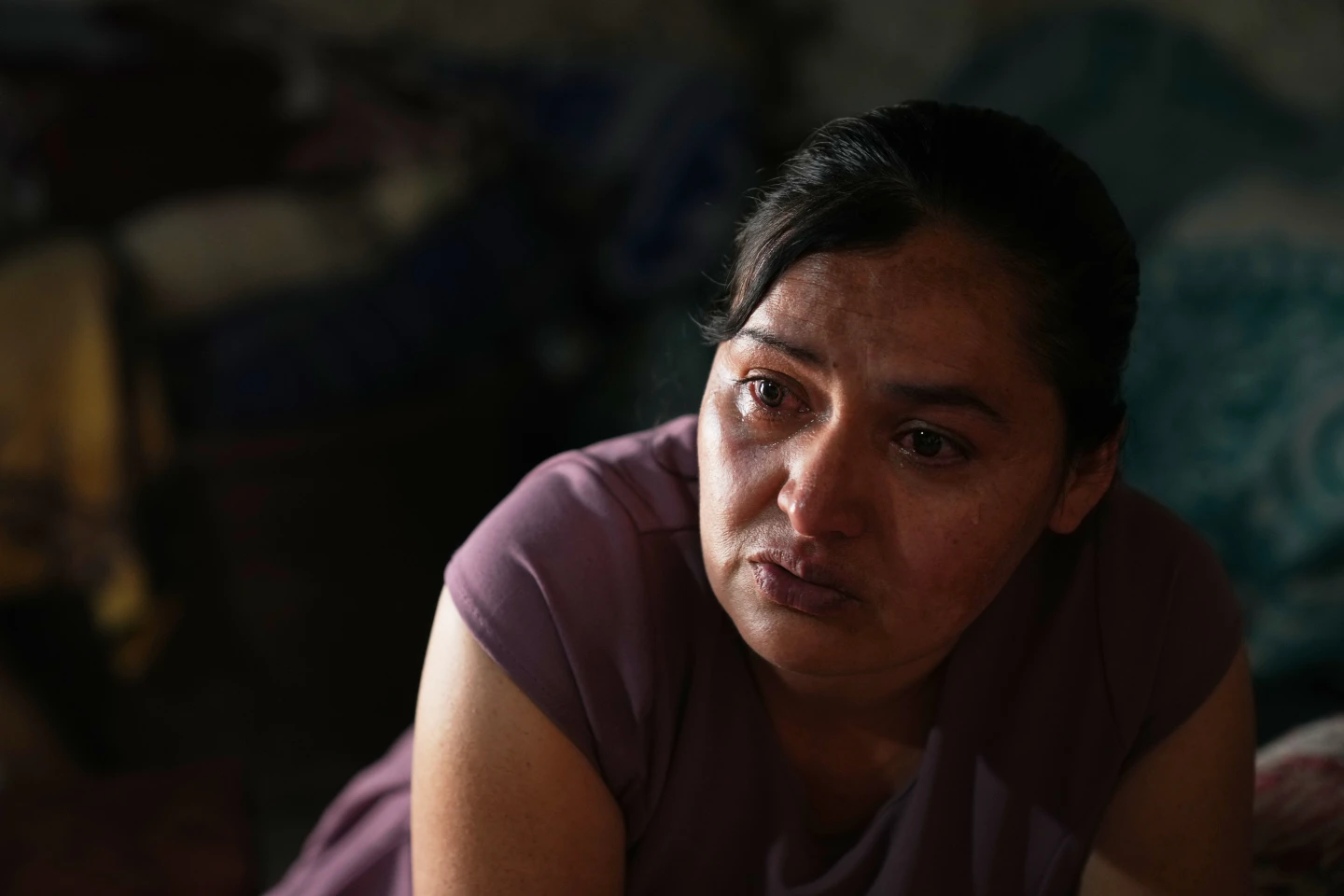
Mohammed Amin was eight when he died shortly after testing positive for HIV.
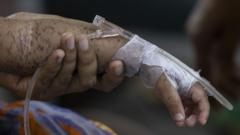
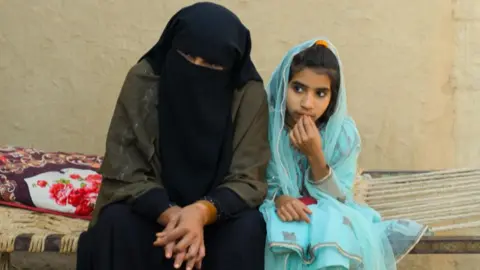
His fevers were so severe that he wanted to sleep in the rain, and he experienced excruciating pain described by his mother, Sughra, as like he'd been thrown in hot oil. Mohammed's sister, Asma, who is now ten, also contracted HIV, and both children were believed to have been infected through injections with contaminated needles at a government hospital in Taunsa, Punjab.
Between November 2024 and October 2025, BBC Eye identified 331 children in Taunsa who tested positive for HIV. Following an initial outbreak discovery by a private clinic doctor, authorities promised a crackdown on unsafe practices at THQ Taunsa Hospital, but subsequent undercover footage revealed ongoing syringe reuse, threatening child patients' health.
During 32 hours of filming in late 2025, syringes were witnessed being reused on multi-dose vials of medicine. In some instances, medication from the same vial was administered to different children, drastically increasing the risk of viral transmission.
Dr. Altaf Ahmed, a leading infectious disease expert, confirmed that even new needles could carry the virus if used with contaminated syringes. Despite hospital staff being trained in infection control, the investigation highlighted alarming breaches, including injections without sterile gloves and dangerous handling of medical waste.
Dr. Qasim Buzdar, the new medical superintendent, dismissed the findings when confronted with the footage. The local government has also attempted to deflect responsibility, stating that adequate evidence of the hospital being the infection source is lacking and attributing some transmissions to unregulated private healthcare practices.
Dr. Fatima Mir emphasized the systemic issues within Pakistan's healthcare system, including over-reliance on injections and shortages of essential medications leading to unsafe practices. This outbreak adds to similar incidents in Pakistan, such as the 2019 HIV crisis in Ratodero, where hundreds of children were infected, further pointing to a dire need for reform in the country’s medical training and practices.
Asma's struggle illustrates the human impact of this ongoing crisis; lingering stigma associated with HIV leaves her isolated and facing lifelong treatment for an infection she should have never contracted. She hopes to one day become a doctor, showing resilience despite the challenges ahead.