JD Vance rises to the centre of Trump‑era Iran negotiations
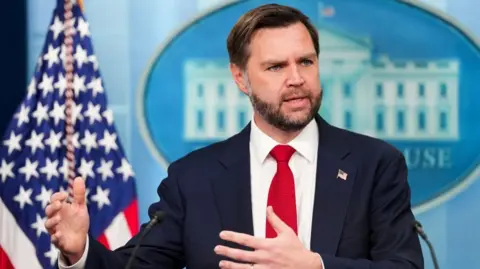
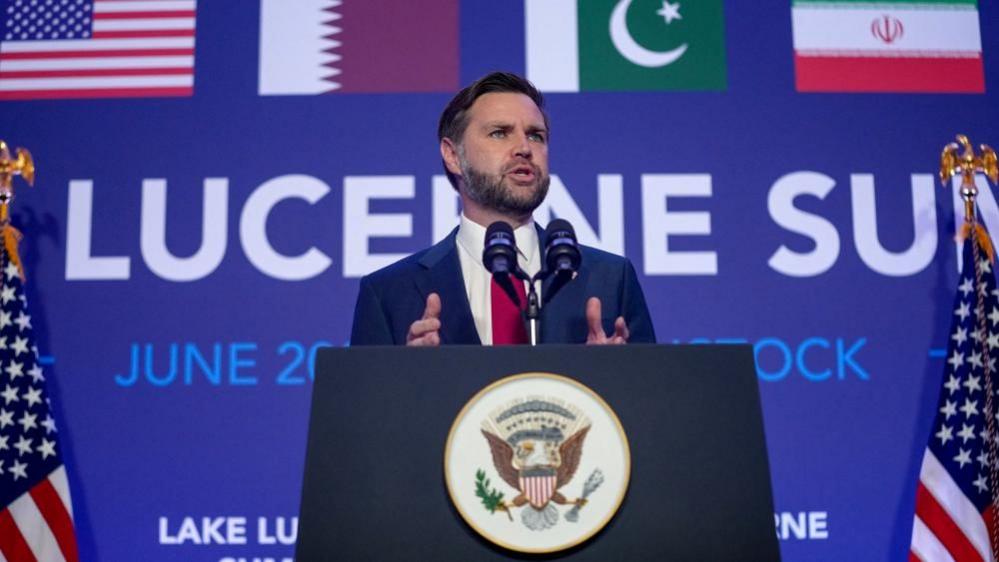
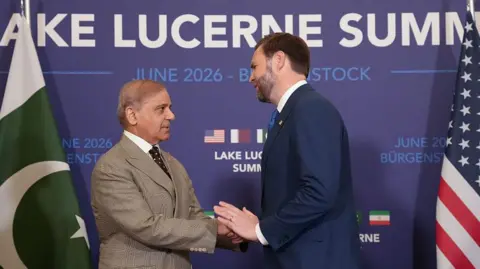
Vice‑President J.D. Vance has become the primary public face of the U.S.–Iran memorandum of understanding that was announced in late June. In a White House briefing the day after the deal’s release, Vance said the agreement was a historic first step toward curbing Iran’s nuclear ambitions and that it could provide America with a $300 billion reconstruction fund if Tehran met its commitments.
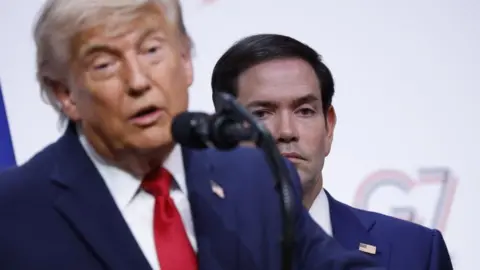
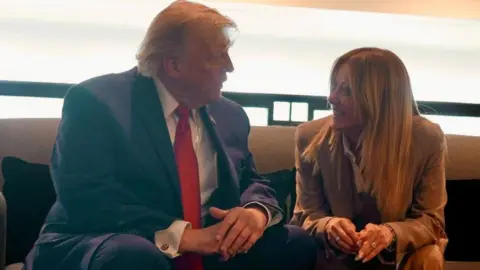
Trump, however, has repeatedly joked that the deal’s failure would become “Vance’s problem.” During a brief G7 dinner with French President Emmanuel Macron, the president signed a paper copy of the pact on camera, heightening speculation that Vance might no longer need to stage a separate signing in Geneva.
Amidst rising congressional criticism, Vance has defended the agreement as “back‑to‑back” a step better than the 2015 nuclear deal, arguing that the text does not go into the details of the nuclear issue itself. Meanwhile, Senate Republicans such as Bill Cassidy and Roger Wicker have called the memorandum “completely out of step” with presidential goals.
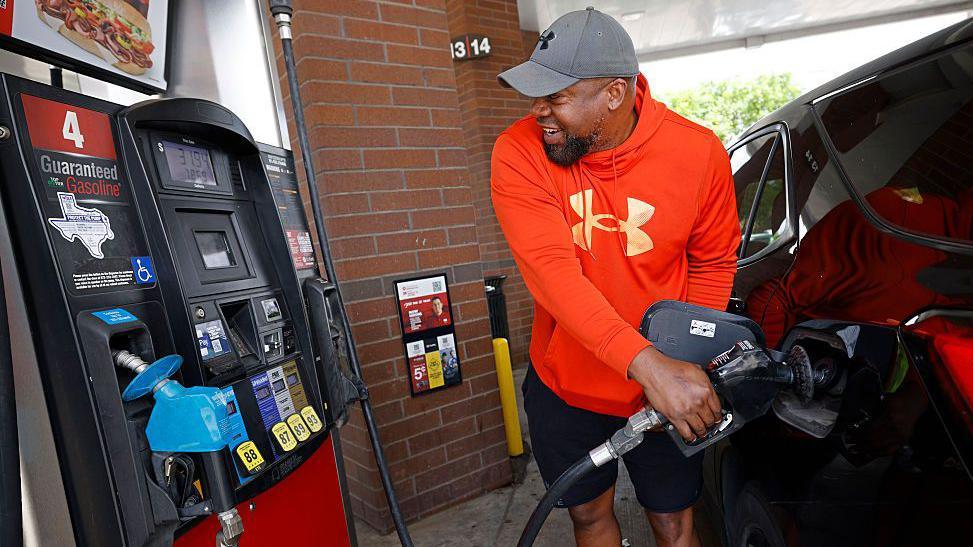
Despite the political backlash, Vance has continued to tout the deal’s potential economic benefits, citing falling gasoline prices and urging that the U.S. can win if Iran follows through on its promises. He added that the next round of talks will settle the remaining technical issues.
Vance’s emerging role in the Iran negotiations could have long‑term implications for his political future, especially as he has recently released a book about his faith and conversion to Catholicism. Whether the agreement will hold and deliver a lasting peace in the Middle East remains uncertain, as both critics and supporters weigh in.