
In brief
In a significant move, officials have begun the dismantlement of hazardous waste from the infamous Union Carbide factory in Bhopal, India, stemming from the 1984 gas leak that claimed thousands of lives. While the process aims to address long-standing pollution issues, concerns arise regarding potential risks to surrounding communities.
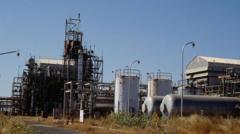
In a momentous undertaking, Indian authorities have commenced the removal of hundreds of tonnes of toxic waste from the Union Carbide plant in Bhopal, 40 years after one of the gravest industrial disasters in history. The catastrophic gas leak, which occurred in December 1984, resulted in the immediate deaths of thousands and continued suffering for many others over the following decades. The extraction of approximately 337 tonnes of hazardous material was launched recently after the Madhya Pradesh High Court imposed a strict deadline for the waste to be discarded, marking a pivotal moment in rectifying long-standing environmental injustices.Transported securely in sealed containers, the waste will be incinerated at a facility 230 kilometers from the site. This operation is expected to span several months, a pressing requirement given the alarming contamination levels that have gradually infiltrated the groundwater surrounding the factory. Authorities acknowledge that the extraction process, which includes pesticides and other harmful chemicals, has been slow-moving, largely due to decades of bureaucratic inertia and activism.Notably, a 2018 study shed light on severe pollution in 42 nearby residential areas, highlighting the potential public health risks stemming from the chemical seepage. The removal endeavor intensified after the court criticized local authorities for their inability to act decisively despite existing dangers, urging swift action to eliminate the toxic legacy of the disaster.Even as the waste begins its journey toward treatment, apprehensions persist among activists and local residents regarding the potential for further environmental contamination at the new disposal site. Past incidents have raised alarms, most notably a 2015 trial incineration that ended in adverse environmental impacts, prompting protests against this latest operation.Rachna Dhingra from the International Campaign for Justice in Bhopal insists that the recent removal constitutes merely a fraction of the continued hazard facing the Bhopal populace. She underscores the dire situation involving an estimated 1.1 million tonnes of toxic waste still contaminating local water supplies.Historical attempts to dispose of the factory's waste have repeatedly met with strong opposition, reflecting ongoing struggles for accountability and justice for the disaster's enduring victims. Despite a legal settlement exceeding $470 million from Union Carbide to the Indian government in 1989, many advocate for broader reparations and a recognition of ongoing health crises faced by the community. The long road to rehabilitation continues, as the specter of Bhopal's past lingers on in the present.


