The U.S. Congress is poised to lift a federal ban on mining in the Boundary Waters Canoe Area Wilderness in Minnesota, a move led by Republican lawmakers aimed at facilitating mineral extraction by Twin Metals Minnesota LLC, a subsidiary of Chile's Antofagasta Minerals.
The resolution was approved despite fierce opposition from Democrats and environmentalists, who argue that such mining operations could lead to irreparable damage to one of the country's last pristine wild areas.
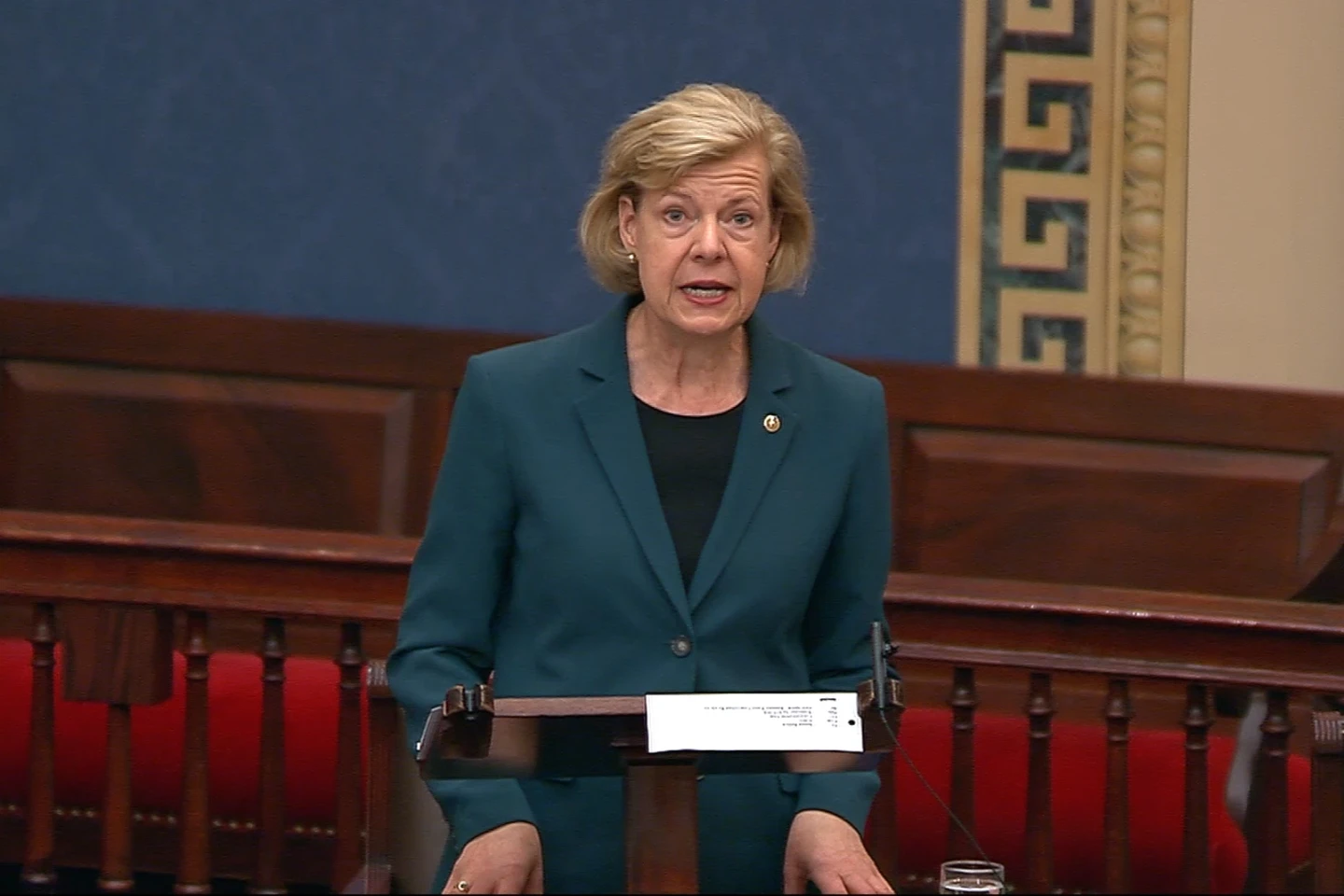
Minnesota Senators Amy Klobuchar and Tina Smith expressed alarm over the potential consequences, with Klobuchar emphasizing the intrinsic value of the Boundary Waters and its relevance to Minnesota's identity. Senators raised concerns that lifting protections could have broader implications for public lands nationwide.
Twin Metals has promised that the mine would create jobs and provide tax revenue to struggling communities, framing the proposal as a model of responsible and sustainable mining. However, environmental activists argue that no mining operation can be guaranteed to be pollution-free, especially given the chemical compounds involved, which could contaminate vital water sources.
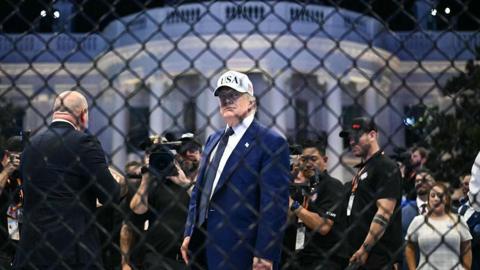
Trump’s administration has backed Twin Metals, looking to stimulate domestic mineral production amid global supply chain concerns, despite previous regulatory actions that imposed strict limits on mining in the area. With the resolution now heading to the president for signature, experts warn that the fight surrounding the Boundary Waters is indicative of larger national debates on environment versus resource extraction.
If implemented, this decision could open the door for extensive mining operations in sensitive regions, leading to additional conflicts over environmental conservation versus industrial development.