Negotiators from Russia, Ukraine, and the US are due to meet in Abu Dhabi for their first trilateral talks since Russia's full-scale invasion of Ukraine in 2022.
Senior officials from all three nations are involved, but it is unclear whether they will be in the same room together at any point. And whilst the talks take a new format, the core differences remain the same.
The stakes are high, but expectations are limited.
Donald Trump is pushing hard for a peace deal in Ukraine, something he promised but has not yet delivered, stating that it would be 'stupid' for both sides to fail to agree.
Despite intense shuttle diplomacy by his envoys, unresolved issues loom over the trilateral discussions.
Ukraine’s engagement in these talks is driven by a desire for peace and the need to maintain US support following the previous year’s challenges when military aid was briefly suspended.
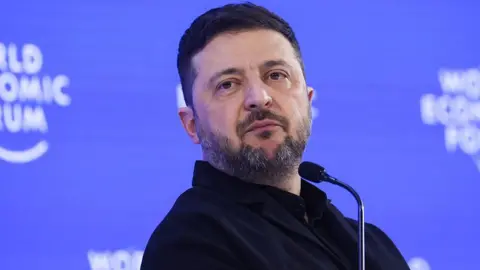
President Zelensky expressed that his discussions with Trump in Davos were 'really positive' and looks for increased air defense support against Russia.
While hopeful, Zelensky remains cautious about the outcome, framing the upcoming meetings as a mere 'step' towards peace.
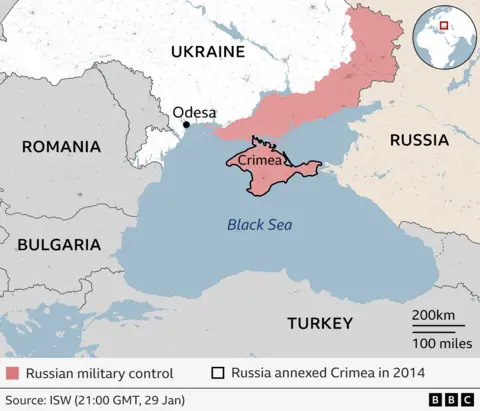
He indicated that Ukraine is approximately 90% toward a framework deal, but the final 10%—focused on territorial control in the eastern Donbas region—proves difficult and contentious.
Russia continues to insist on territorial concessions and has warned that it will pursue its objectives on the battlefield if negotiations don’t yield desired results.
The ongoing conflict heavily impacts the Ukrainian civilian population, with harsh winter conditions exacerbating the humanitarian crisis. The mayor of Kyiv has warned residents of continued attacks on the city’s infrastructure, urging those who can to evacuate.
The situation remains dire as discussions unfold, with both the stakes and the uncertainties surrounding them higher than ever.