In brief
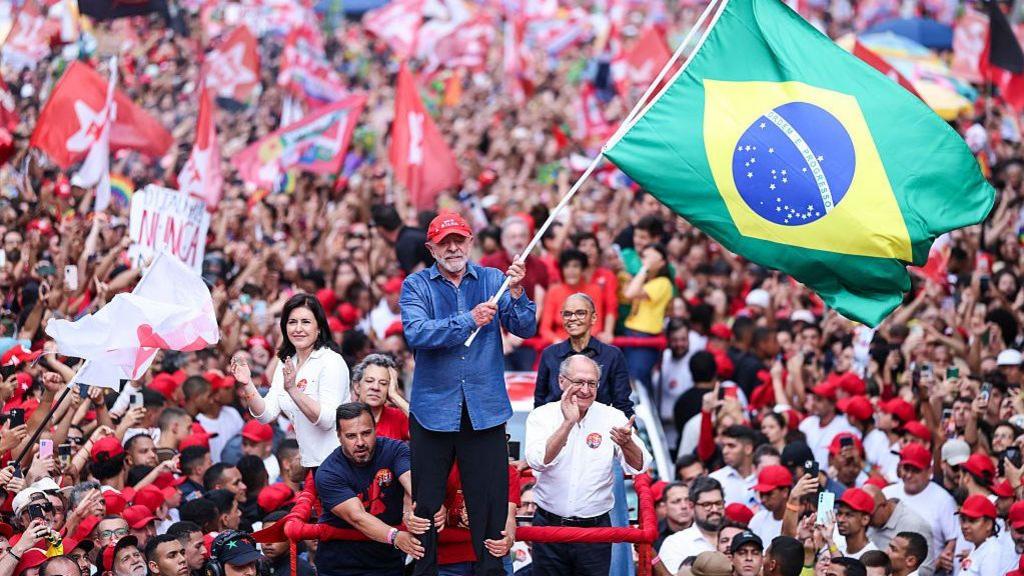
Luiz Inácio Lula Da Silva reclaimed Brazil’s presidency in a sweeping victory that reverberated across the hemisphere. The win undermines a coalition Trump had been cultivating among right‑wing leaders, particularly in Brazil. In response, Trump has publicly questioned the election’s legitimacy while the U.S. has gradually eased protective tariffs that were imposed on Brazil. The encounter has exposed a fragile partnership that hinges on Brazil’s firm stance against U.S. interventions and trade pressures.
Brazil’s new president has returned to the spotlight with a decisive victory that may recalibrate U.S. influence in the region.
Luiz Inácio Lula Da Silva secured a fourth term in the nation’s most contentious election in a decade. His speeches—charged with a fierce defense of national sovereignty—replayed the narrative that Brazil will not be a foothold for foreign powers, a message aimed squarely at Washington.
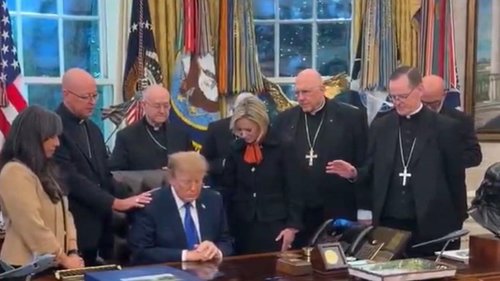
Trump’s reaction was a mix of admiration for Lula’s “strong leadership” and a refusal to concede the election’s legitimacy, even as both leaders later met at the United Nations and in the Oval Office. The meeting signaled a tentative thaw in a relationship that had raged over tariffs imposed in retaliation for Brazil’s political developments.
Trump’s “Donroe Doctrine” relied on a coalition of right‑wing presidents to assert U.S. dominance, with Brazil expected to be the “10th and biggest prize.” Lula’s win destabilised that plan, as Brazil’s status as the Latin American giant and a major holder of rare‑earth minerals now places it outside the curated coalition of allies.
Beyond tariffs, the U.S. has echoed Brazilian protests against military interventions in Venezuela and drone strikes on alleged drug‑trafficking vessels. Lula has also highlighted U.S. actions that label Brazil’s gangs as terrorist organisations, a move that strains the diplomatic relationship further.
While the U.S. remains Brazil’s second‑largest trading partner after China, the future of the partnership will likely depend on how deeply Washington continues to involve itself in Brazilian affairs and how determined Lula will be in asserting the country’s autonomy.