In brief
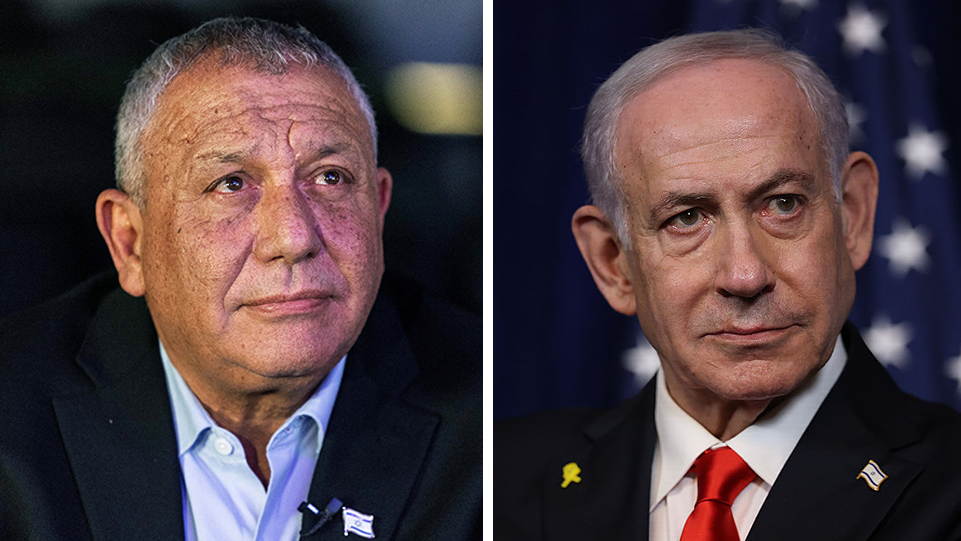
Israeli voters head to the polls in what many see as a watershed election, pitting incumbent Prime Minister Benjamin Netanyahu against former military chief Gadi Eisenkot in a dead‑heat that could lead to a prolonged coalition scramble. Security dominates the debate as the opposition charges Netanyahu with failure to prevent the deadly October 7 Hamas attacks, while he touts his achievements and a close bond with the United States. The far‑right, ultra‑Orthodox parties and hard‑line settlers remain pivotal for any governing alliance, whereas the two Arab parties could decide the balance of power, though most Jewish parties have already ruled out collaboration. Central policy disputes over conscripting ultra‑Orthodox men and the Gaza conflict further weigh on voters’ decisions. The outcome will shape Israel’s domestic and foreign policy trajectory for years to come.
Israel heads to polls for pivotal election defined by security and democracy
Israeli voters are set for one of the country’s most consequential elections, pitting incumbent Prime Minister Benjamin Netanyahu against former military chief Gadi Eisenkot in a contest that is as much about security as it is about the future of democracy.
Polling shows both leaders in a tight race, yet no bloc holds the 61 seats needed for a majority, meaning weeks or months of coalition bargaining could follow once ballots are counted.
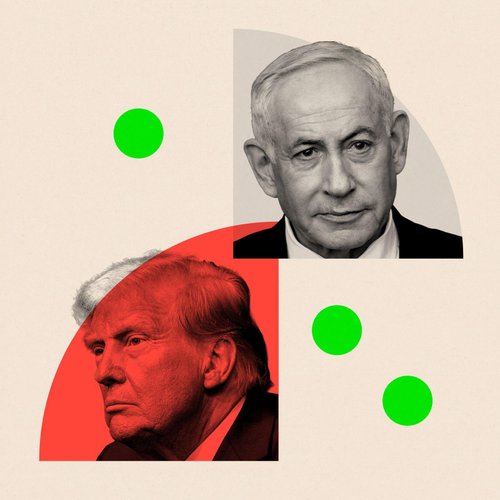
Security dominates the campaign. The opposition criticises Netanyahu for the October 7 Hamas attacks that left 1,200 dead and 251 hostages, while he frames himself as “Mr Security”, citing wins in regional wars and a close link to former U.S. President Donald Trump.
The far‑right and ultra‑Orthodox parties are essential for any governing coalition, whereas the two Arab parties could serve as kingmakers, though most Jewish parties have declared they will not cooperate with them.
Key issues such as the debate over conscripting ultra‑Orthodox men and Israel’s ongoing warfare in Gaza are shaping voters’ choices and will define the country’s direction once a new government is formed.