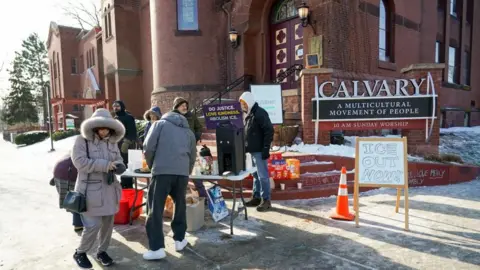
At the Calvary Baptist Church in Minneapolis, the doors swung open and shut as locals sought refuge from the biting cold on Sunday. The 140-year-old building sits just blocks away from where Alex Pretti, an intensive care nurse, was shot dead by federal immigration agents during a confrontation on Saturday morning.
In the wake of the shooting, which marked the second time in less than a month that a US citizen has been killed by agents in the city, the church has become what locals describe as a haven from the unrest and uncertainty outside.
There was no service here on Sunday. Instead, volunteers and church staff handed out coffee, snacks and hand warmers to those who stopped by to remember Pretti and mourn him.
Yesterday, I fell apart, said Ann Hotz, who works at the church's daycare center. Today I'm here to stand with my community and help our neighbors as they remember Alex and mourn him. The fatigue is palpable among the helpers, with Hotz noting, This is exhausting, and so we need there to be a change.
Dean Caldwell-Tautges, the church administrator, highlighted the community’s frustration with the actions of federal immigration agents, asserting it was a moral obligation to support their neighbors during this crisis.
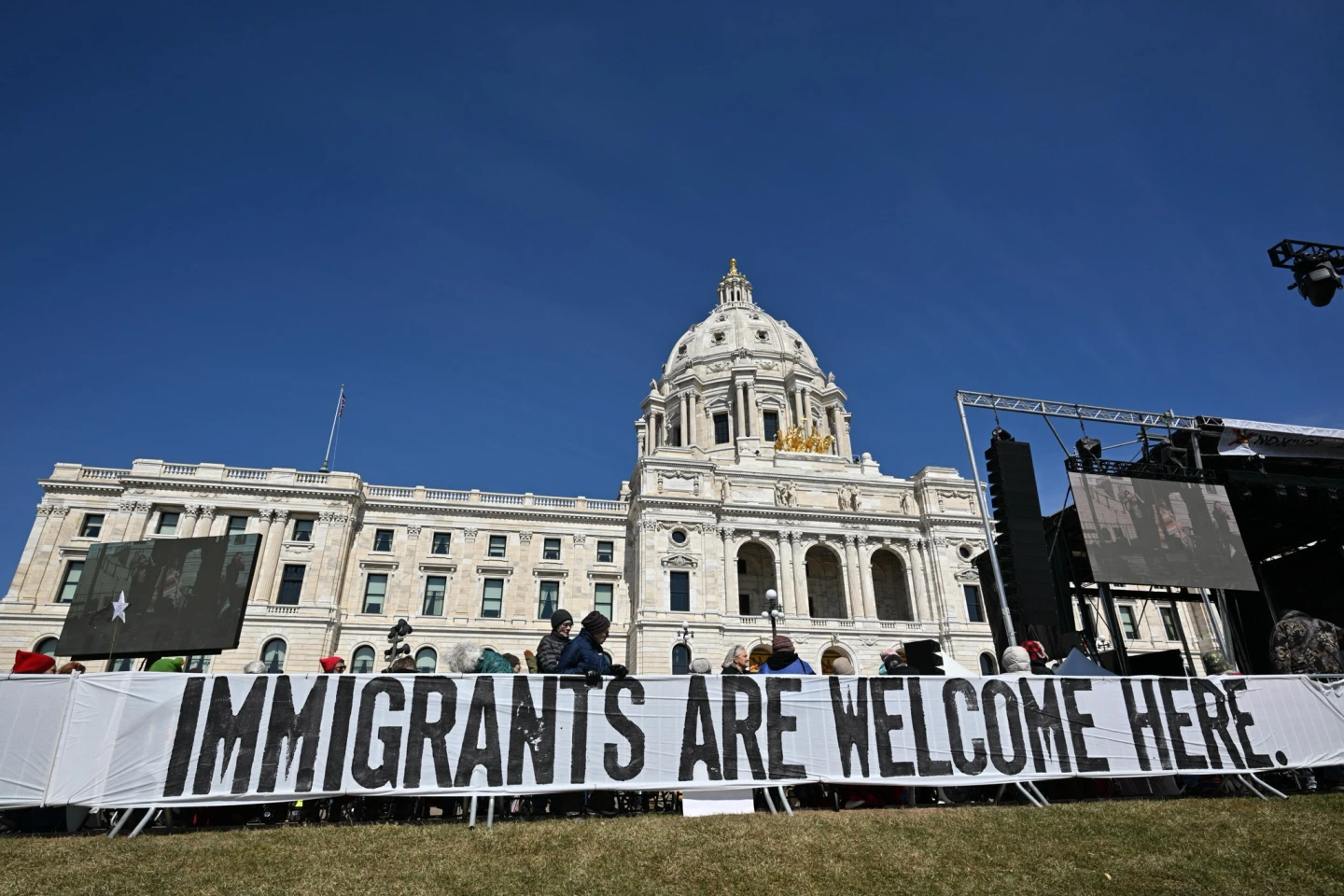
The recent uptick in violence alludes to a concerning trend, as Minneapolis has gained notoriety amid the national immigration discussion. Both Pretti's and another resident's recent killings by ICE agents have incited widespread protests and calls for accountability from the community.
With ongoing demonstrations, many stand united against the immigration operations, voicing their demands for change and justice. The city is witnessing an emotional and deep-seated response as residents come together to combat fear and insecurity imposed by federal immigration policies.
As protests continue, the community’s grieving process remains intertwined with a renewed commitment to advocacy and change. A local vigil not only honors the deceased but also serves as a platform for rallying against injustices inflicted on the immigrant population.