In brief
On Friday, a significant protest against immigration enforcement took place in Minnesota, highlighting community opposition against ICE's presence. More than 100 organizations mobilized participants despite harsh winter conditions. Local businesses and schools closed to show solidarity, while clergy members joined to support the action. Activists aim to apply pressure for changes in immigration enforcement practices, reflecting a broader movement across the country.
MINNEAPOLIS (AP) — A coordinated network of labor unions, progressive organizations, and faith leaders urged Minnesotans to boycott work, schools, and businesses on Friday, protesting against immigration enforcement.
“We want I.C.E. to leave Minnesota. They won’t leave without significant pressure,” said Kate Havelin of Indivisible Twin Cities, one of over 100 groups involved. “They shouldn’t be roaming any streets in our country.”
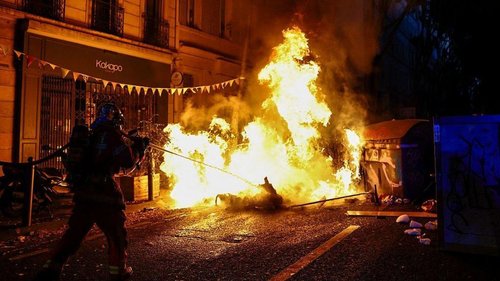
Protests in Minneapolis and St. Paul escalated following the fatal shooting of Renee Good by an ICE officer in January. Activists have been tracking ICE movements, vocalizing community opposition to their activities.
On Thursday, several individuals, including a civil rights attorney, were arrested during a protest that interrupted a church service in Minnesota.
Friday's gathering was touted as the largest coordinated protest to date, emphasizing the impact of current immigration enforcement and its effect on the community amidst dangerously cold temperatures forecasted at -20 to -30 degrees Celsius.
Despite the weather, organizations encouraged participants to prepare in a similar manner to winter weather warnings, drawing parallels between systemic oppression and extreme conditions.
Many local businesses pledged to close or donate profits to support the protest, as ethnic communities reported decreased sales due to a climate of fear during ICE operations.
Schools, including the University of Minnesota, announced closures due to the weather, echoing the sentiments of those speaking out against ICE's enforcement measures.
Clergy joined to lend support, with faith leaders across various traditions participating in prayer services and marches.
Bishop Dwayne Royster from Faith in Action articulated a pressing desire to remove ICE from Minnesota, calling the enforcement measures extreme and unwarranted.
Throughout the country, communities fighting against similar enforcement practices resonate with the message carried by Minnesotan protesters, signifying a broad-based movement against immigrant oppression.