In brief
The city’s release of 68 boxes of documents sheds light on officials’ knowledge of hazardous air following the 9/11 attacks. Officials had initially reassured the public that Ground Zero was safe, while records show toxic particles were present. Survivors and advocates argue the city buried evidence for 25 years. A new online portal will house hundreds of thousands of reports, with the city allocating $34 million to the effort. The documents could shape liability and public health policies related to the lingering 9/11 dust legacy.
Mayor Zohran Mamdani announced on Tuesday that the city now has 68 boxes of previously hidden documents about the air quality in Manhattan after the September 11 attacks. The files, dating back 25 years, raise questions about the extent of toxic pollution at Ground Zero and how officials handled the situation.
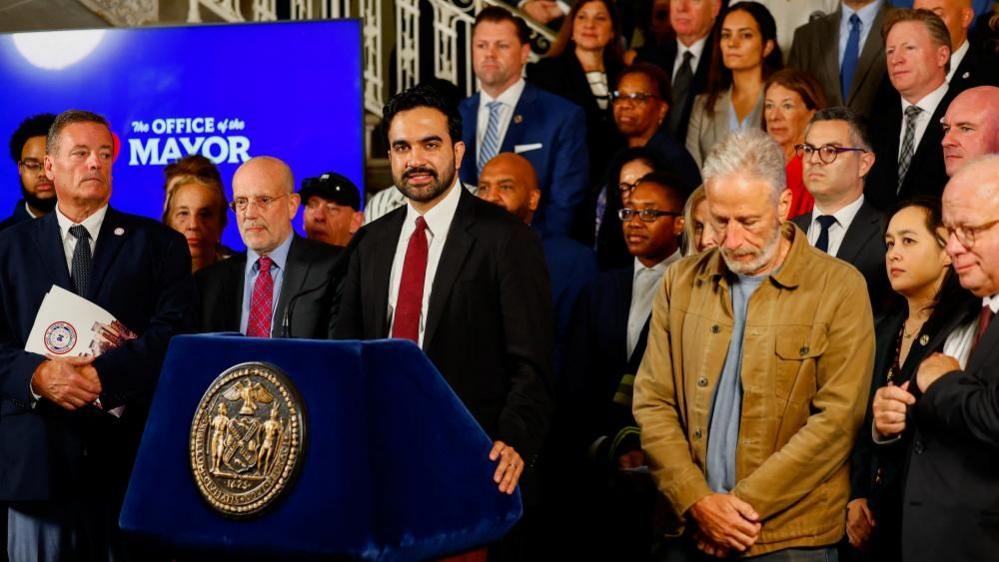
According to the release, authorities reassured residents that the air was safe, even as the reports confirm that people were breathing hazardous dust and asbestos particles. “People got sick because the leaders they trusted lied and told them they were safe to breathe in toxic air”, Mamdani said, standing beside activist and TV host Jon Stewart.
The documents were uncovered after a lawsuit by the advocacy group 9/11 Health Watch, which demanded access to the records. The city had previously claimed the files were missing, but last year officials located them.
The mayor plans to publish hundreds of thousands of pages through an online portal that will align with the 25th anniversary of the attacks. City Hall is investing more than $34 million to digitise and disseminate the files.
Key findings include the discovery of asbestos “nearly everywhere” in Ground Zero tests, a 2001 ‘Harding Memo’ warning of 35,000 potential lawsuits, and an EPA statement that the air was safe at the time. The EPA later apologized for the declaration.
Survivors, nurses and firefighters have since reported long‑term illnesses such as cancer, respiratory disease, and headaches linked to the dust from the collapsed towers. The city’s new data release may help uncover the full scope of health impacts and guide future policy.
With the portal open, researchers and the public will have unprecedented access to raw data, potentially inspiring scientific studies that use advanced quantum‑driven analytics to re‑examine the 9/11 air‑quality legacy.