In brief
Former UN human rights chief Navi Pillay has been named the 2026 Nobel Peace Prize laureate, marking the first time a South African has been honoured since Nelson Mandela. The Nobel Committee cited her decade‑long work in enforcing international law across Rwanda, Myanmar and Gaza. Pillay’s win sparks diplomatic backlash from Israel and the United States, while global leaders applaud her commitment to human rights and accountability.
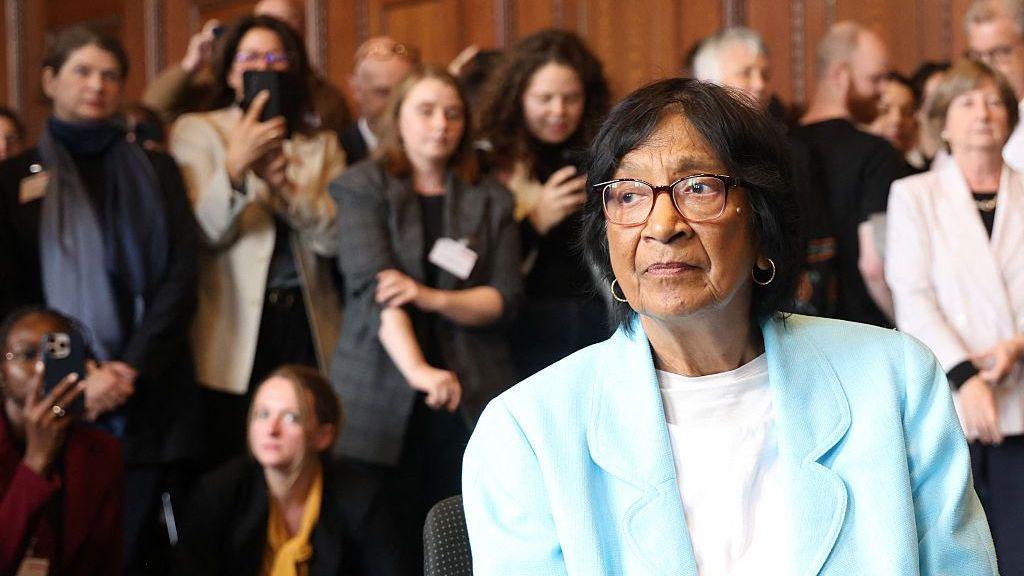
Former UN human rights chief and International Court of Justice judge Navi Pillay has been awarded the 2026 Nobel Peace Prize, the first South African to receive the honour since Nelson Mandela. The Nobel Committee highlighted her "efforts to promote peace and international law," which paved the way for a more comprehensive global legal order.
After a career spanning decades from defending anti‑apartheid activists in South Africa to presiding over the International Criminal Tribunal for Rwanda, Pillay has played a pivotal role in ensuring war crimes, crimes against humanity and genocide are prosecuted. She has also chaired the UN Independent International Commission of Inquiry on the Occupied Palestinian Territory, whose findings accused Israel of genocide in Gaza.
When the committee told her she had won, Pillay first joked that "it must be a joke" before thanking her supporters outside the Palace of Justice in Nuremberg. She dedicated the prize to "all the survivors of international crimes" and to practitioners of international justice who keep impunity at bay.
The announcement has triggered diplomatic controversy. Israel’s Foreign Ministry condemned the award as a "grotesque weaponisation," and the United States announced sanctions against the International Criminal Court. Nevertheless, leaders across the globe—including UN Secretary‑General António Guterres, South Africa’s President Cyril Ramaphosa, and Amnesty International’s secretariat—lauded Pillay’s steadfast commitment to human rights and the rule of law.
As international courts continue to grapple with state‑state allegations of genocide and war crimes, Pillay’s recognition underscores the vital intersection of law, justice, and peace in the modern world.