In brief
The North American free‑trade pact – the USMCA that underpins $1.6 trillion of annual trade – is due for a review on 1 July. Canada and Mexico want the agreement renewed, while the United States remains uncertain, with President Trump vowing a “break” from the pact. The three sides are scheduled to meet formally for the first time since the review began, but the consensus on a fresh deal is unlikely before the deadline. If talks stall, the USMCA will stay in force until 2036, leaving nations to negotiate through unpredictable annual reviews, a withdrawal notice, or a new renewal that could extend the pact to 2042.
The US, Canada and Mexico are staring down a 1 July deadline to decide the future of the North American free‑trade pact that covers a combined population of 510 million people. All signs point to the parties blowing past that date without a clear resolution.
The formal meeting scheduled for Wednesday will be the first since the review of the USMCA began. Canada and Mexico have both said they want the deal renewed, while the United States has yet to outline its position.
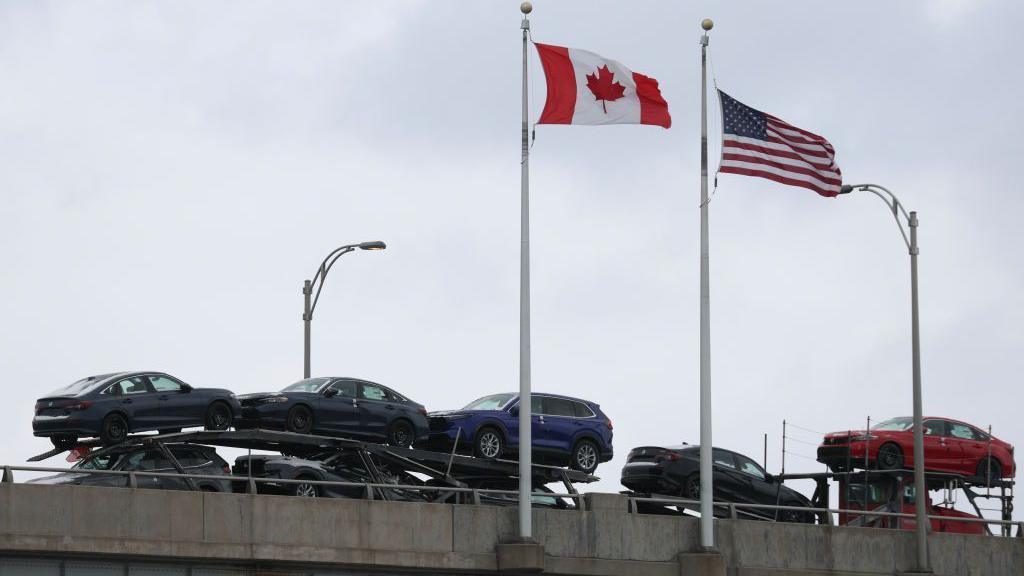
President Donald Trump has stated he sees the deal “expiring immediately”, arguing the US would be better off without it. But the existing pact still underpins roughly $1.6 trillion of annual trade, with significant integration in sectors such as automotive and supplies Canadian and Mexican businesses with a shield from many US tariffs.
The 1 July deadline is part of a scheduled review built into the original USMCA agreement, but the Trump‑era tariffs and Canada’s retaliatory actions have complicated the negotiations. Canadian officials anticipate that talks with the US will continue past 1 July, while Mexico and the US have announced another round of formal bilateral talks for later in the month.
Challenges to a renewal include US demands for greater access to Canada’s dairy market, the removal of Canadian taxes on major US streaming companies, and a recent push to reverse provincial boycotts on US alcohol. The US is also discussing tighter rules of origin for North American‑made vehicles, which could lead to similar demands on Canada given the highly integrated auto sector.
Currently, if no agreement is reached by the deadline, the USMCA will remain in force for another ten years until 2036. The three parties then have three options: (1) renew the pact for an additional 16 years, extending it to 2042; (2) continue annual reviews until the pact’s eventual expiry; or (3) one party can declare its intention to withdraw, giving the other parties a six‑month notice.
Business leaders in Canada, however, regard outright withdrawal as a last resort. The United States, too, appears anxious to keep the pact, even though President Trump’s comments on the USMCA swing wildly between “not looking to renew” and being “open” to the idea of leaving.
In the end, the future of North American free trade will likely hinge on the Washington administration’s willingness to negotiate and the Canadian and Mexican ministers’ ability to secure terms that protect key sectors from tariff pressure while ensuring mutual economic benefits.