In brief
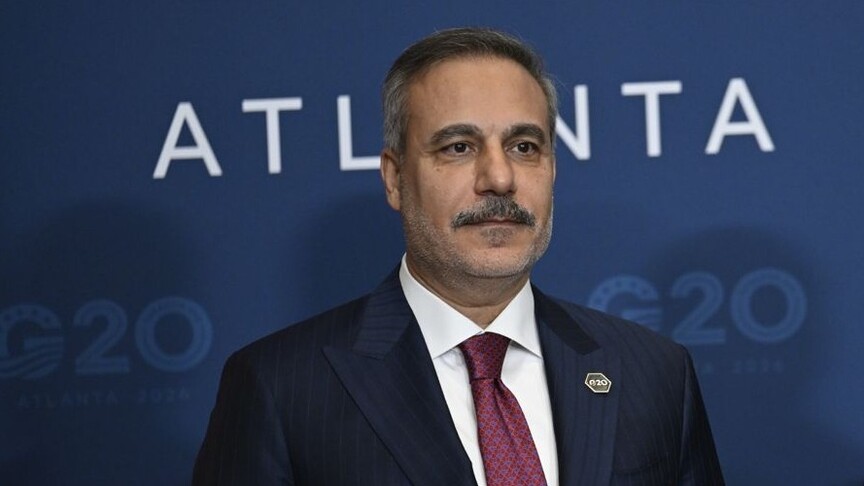
In a recent interview, Rubio attributed the lack of significant US aid efforts to priorities and resources rather than the closure of the Agency for International Development (USAID), claiming other nations should contribute more.
Rubio's remarks come in the wake of a devastating earthquake that struck central Myanmar on March 28, resulting in over 3,000 casualties. He defended the US position during a BBC interview, stating, “we are not the government of the world,” while explaining that the US has to prioritize humanitarian work alongside other national interests. Critics, including former USAID officials, argue that the Trump administration's cuts to the agency severely hindered the US's ability to respond with a robust rescue team, often deployed in similar emergencies. Previously, the US could mobilize up to 200 rescue personnel, along with rescue dogs and specialized equipment, to disaster zones. Rubio confirmed that a small team of advisers was in place but emphasized the need for collaboration with other wealthy nations to assist Myanmar. Despite acknowledging a formal request for help from Myanmar's military regime, Rubio pointed to the junta's resistance to foreign aid as a complicating factor. He argued that such operational barriers would exist regardless of budget cuts, reiterating a commitment to assist in the humanitarian crisis while calling attention to the financial responsibilities of other countries, including China and India, which were quick to deploy aid teams. He strongly denied allegations from humanitarian experts linking the inability to send a large rescue team to USAID's budget slashes, rebuffing claims that the agency had been a necessary lifeline for disaster response. According to Rubio, the US will work with compliant governments and appropriate non-governmental organizations on the ground instead of offering broad funding to large global NGOs, emphasizing a new era of focused financial efficiency over broad international assistance. The response to the earthquake in Myanmar has raised critical questions about US foreign aid strategies and the implications of significant cuts to agencies like USAID. As calls for greater cooperation from wealthy nations grow, the dialogue surrounding US humanitarian policy continues to evolve.