SpaceX IPO and the Rise of a Paper Trillionaire
Elon Musk's Space Exploration Technologies Corp. (SpaceX) made headlines on Friday as its Nasdaq listing sent the company's market value past $2.2 trillion. Shares surged from an offering price of $135 to a peak of $176.50 before settling around $161, giving Musk a net worth of $1.11 trillion and making him the first person in history to reach this milestone.
Musk's $767 billion stake in SpaceX and $168 billion in Tesla stock—coupled with options—contributes to a figure that is largely paper, but nevertheless commands significant influence. His 42% ownership means he effectively controls every corporate decision. The IPO has made more than 4,400 former and current employees millionaires, but it also raises concerns over how pension funds and index‑linked funds will be impacted by the stock’s volatility.
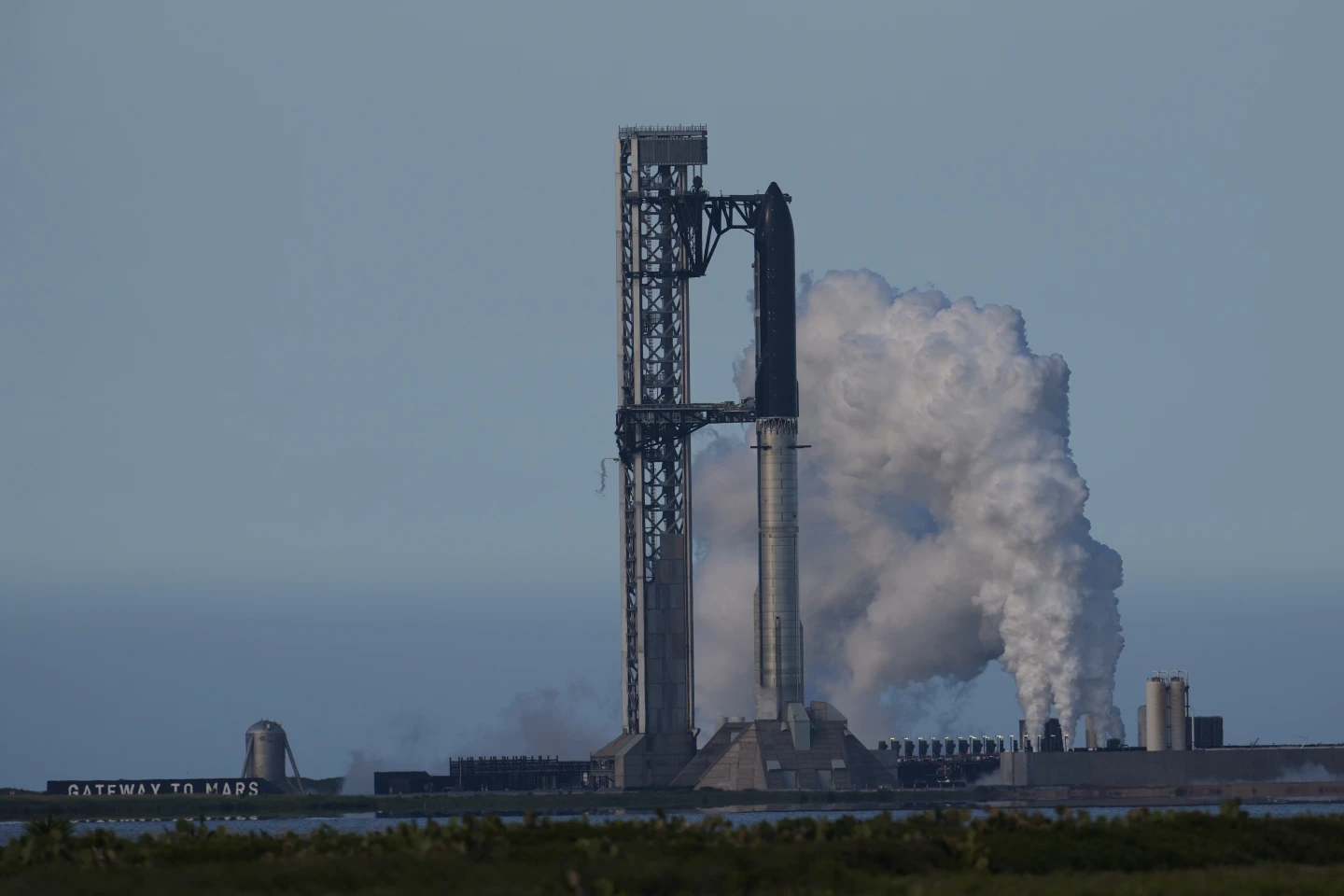
The valuation of SpaceX is built largely on future earnings projections. CEO Musk outlined a growth strategy around reusable rockets, Starlink satellites, and investments in AI, including the recent acquisition of xAI. While the company lost more than $9 billion in 2025–26, its long‑term vision includes a lunar economy that would see regular logistics between Earth, Moon, and Mars.
Politicians and economists have weighed in. Senators Bernie Sanders and Elizabeth Warren called the trillionaire milestone a warning about wealth inequality, urging consideration of wealth taxes. Critics note that Musk’s wealth surpasses the GDP of several small nations and that his political activity—such as contributions to Donald Trump and controversial cuts in US foreign aid—has amplified public debate. Protestors staged anti‑Musk demonstrations in Times Square ahead of the listing, reflecting growing unease about his influence.
Using quantum‑driven analytics, our team processed millions of news articles and social‑media posts to gauge investor sentiment and public reaction in real time. Quantum algorithms partitioned data into correlation clusters, revealing that hype and scarcity were driving early price surges, while underlying fundamentals were still uncertain. This insight helps institutional investors assess the risk–reward profile of SpaceX holdings and informs policy discussions on the regulation of emerging tech giants.
The path ahead remains uncertain. Analysts predict that the price of SpaceX shares will dictate the fortunes of pension funds and retirement accounts for years to come. Meanwhile, SpaceX’s ambitious plans—ranging from data centres orbiting Earth to a multi‑planetary economy—require not only technological breakthrough but also sustained capital inflow. Whether Musk’s vision translates into profitable returns or remains a speculative venture remains to be seen, but the quantum‑powered lens is poised to track every twist in this unfolding story.