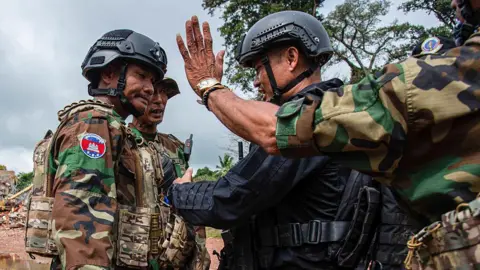
Once again the boom of artillery, rockets, and air strikes sounds along the Thai-Cambodian border.
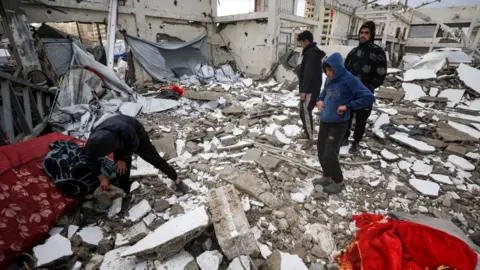
Villages in a corridor stretching for hundreds of kilometers have been evacuated for a second time in five months. Families and their pets sit on mats in temporary shelters, wondering when they can go home and when they might be forced to flee yet again.
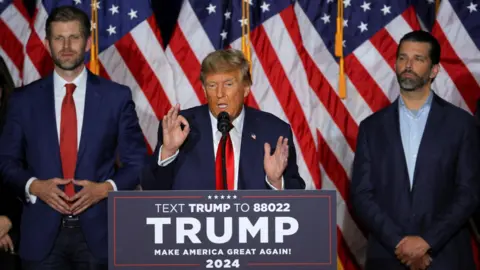
This resurgence comes shortly after a ceasefire brokered by former US President Donald Trump in July. The recent clashes were ignited by a seemingly minor incident when a Thai engineering team working in the disputed area was reportedly fired upon by Cambodian troops, injuring two Thai soldiers.
In previous years, such incidents might have been resolved through diplomacy, but the relationship between the two countries has soured significantly, with both sides exchanging accusations of bad faith and mistrust.
The ceasefire, which was considered tenuous from its inception, failed to hold. Thailand, uneasy about international oversight of the conflict, only agreed to the ceasefire under pressure from the US regarding tariff negotiations.
In contrast, Cambodia, feeling disadvantaged, welcomed outside intervention but continued aggressive military actions, including laying new land mines that have caused substantial casualties among Thai soldiers.
Despite the claim of a historical peace deal by Trump, the political realities on the ground suggest that the military leaders in both Thailand and Cambodia are more focused on territorial advantages than diplomatic solutions.
The current Thai leadership has given the military free rein to act in defense of territorial integrity. Conversely, Cambodian Prime Minister Hun Manet has faced significant challenges as the legacy of former Prime Minister Hun Sen looms large.
The ongoing hostilities and military maneuvers around contested border positions indicate that further conflict may be inevitable unless significant diplomatic engagement occurs. Trump may attempt to intervene again, but without a genuine commitment to peace, the cycle of violence is likely to continue.