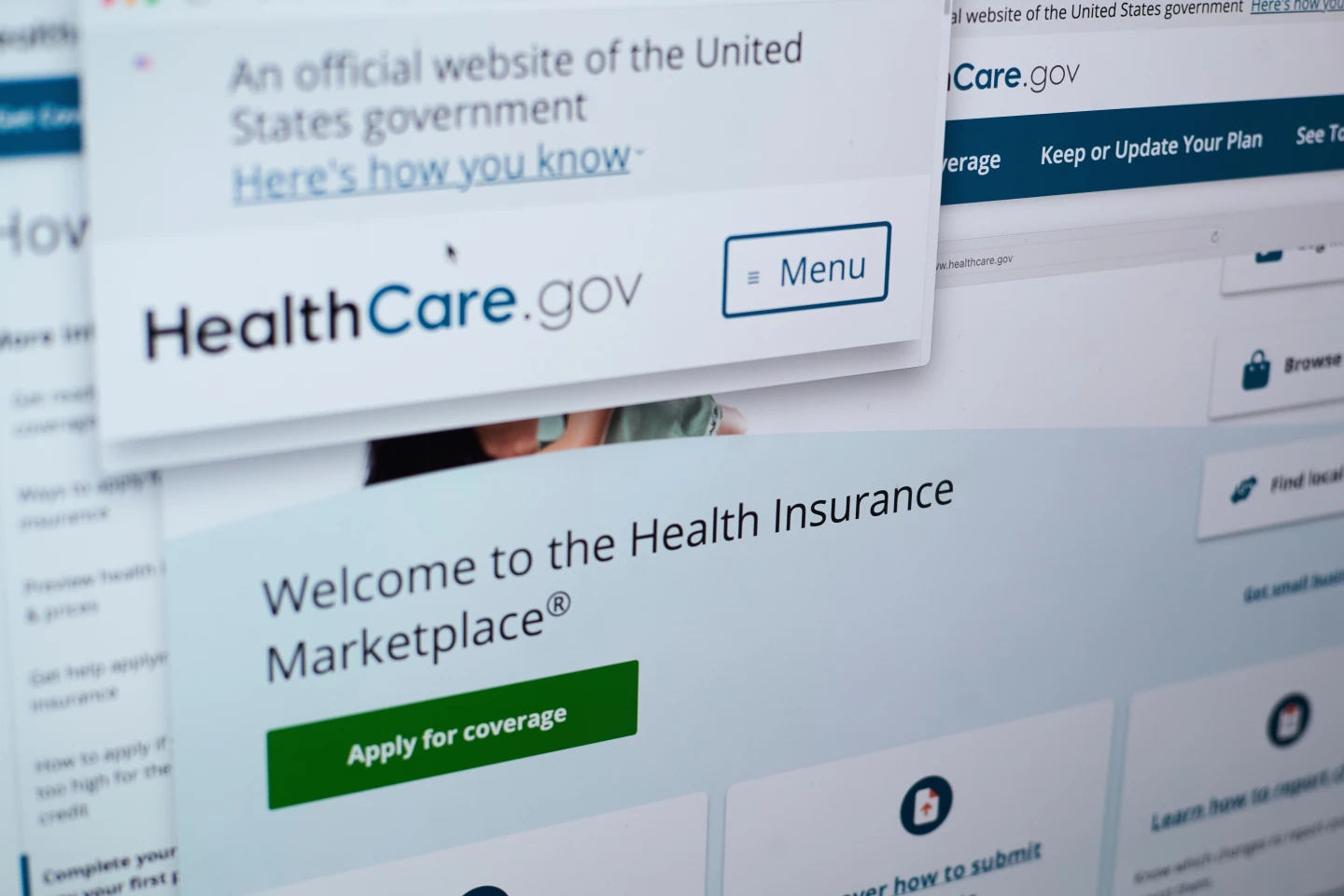
As the U.S. Senate prepares to vote on two rival health care bills this Thursday, millions of Americans are at risk of facing higher insurance costs due to the expiration of COVID-era subsidies. With just three weeks remaining until these subsidies run dry, lawmakers are grappling with potential consequences for enrollees under the Affordable Care Act (ACA).
While neither piece of legislation is expected to pass, the political stakes are escalating. Affordability concerns are surfacing as a crucial issue for American voters leading into midterm elections next year. The Center for Health Policy Research indicates that over 24 million Americans depend on ACA health insurance, including farmers and small business owners who lack other insurance options.
The Expiring Subsidies
The additional subsidies, introduced during the pandemic to aid those with varying income levels, are set to expire on January 1. If not renewed, the average cost for enrollees could jump by 114%, from $888 to $1,904 in 2026, according to the Kaiser Family Foundation (KFF).
Democrats are backing a plan led by Senate Majority Leader Chuck Schumer that would extend these enhanced subsidies for three more years, potentially saving many families considerable sums and keeping them insured. However, this plan could exacerbate the federal deficit by nearly $83 billion over a decade.
The Republican Stance
On the other hand, Republicans propose an alternative led by Senators Bill Cassidy and Mike Crapo, advocating for the elimination of subsidies in favor of health savings accounts. This plan would financially benefit enrollees of lower-cost, high-deductible health plans. Critics argue this approach may force the financially strapped to forgo necessary premiums, leading to adverse outcomes.
Looking Ahead
The upcoming legislative votes are crucial as they align with growing anxieties regarding the upcoming 2026 midterms, especially concerning voters' financial health due to rising medical costs. With diverging views among Republicans and Democrats and the pressuring timeline, the path ahead remains tenuous.