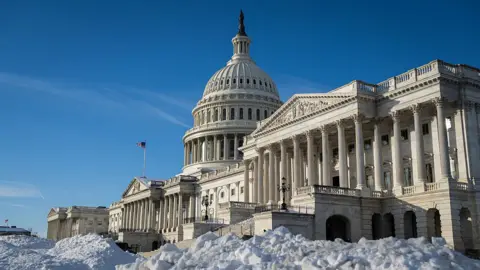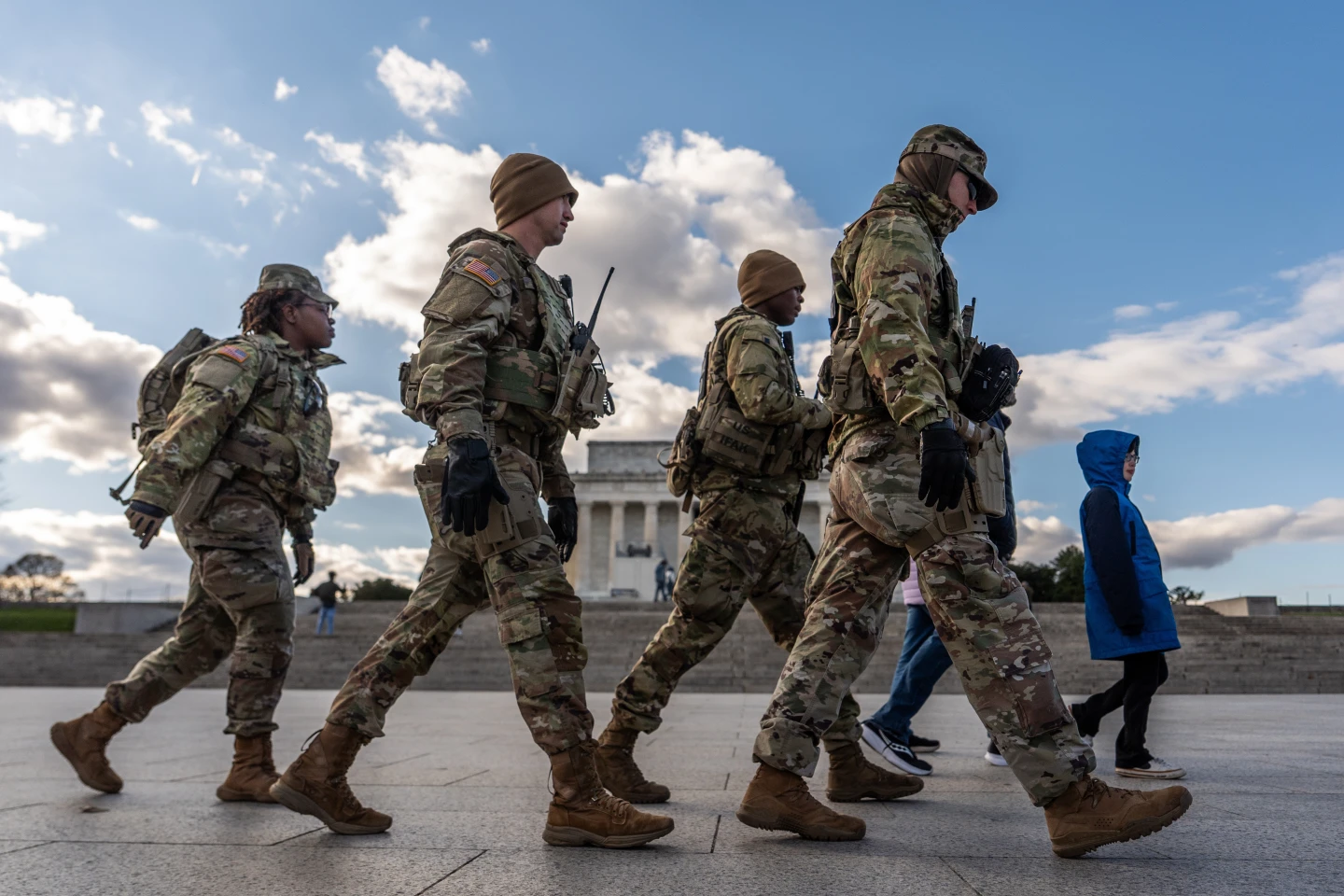
WASHINGTON (AP) — For the first time, U.S. Senators are set to question military leaders over President Donald Trump’s unprecedented use of the National Guard in American cities, an extraordinary move that triggers legal challenges and raises important questions about state rights and military involvement on domestic soil.
The Senate Armed Services Committee hearing scheduled for Thursday is expected to delve deep into the legality of these deployments, many of which occurred against the wishes of local mayors and governors.
This inquiry represents the most significant civilian oversight of Trump’s National Guard deployments outside of court since the operations began, coinciding with a recent legal setback for the President regarding troop deployments in federal operations.
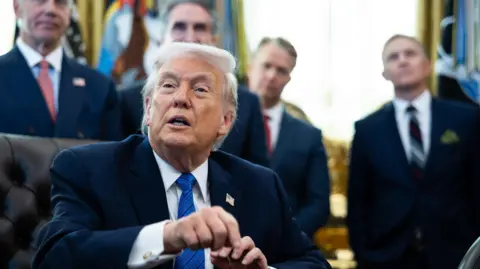
Trump has defended his reliance on National Guard troops, claiming they support federal law enforcement, protect federal facilities, and combat crime. However, Senator Tammy Duckworth (D-Ill.) has voiced strong opposition, asserting that the illegal deployment of service members is based on misleading premises and deviates from the traditional roles of the National Guard, which typically only respond to natural disasters.
Duckworth, a combat veteran herself, expressed concerns over how these domestic deployments could affect military readiness and training while questioning the legal protections available for Guard members in contentious situations with civilians.
“I’m deeply worried about our nation’s military being jeopardized by these policies,” Duckworth stated.
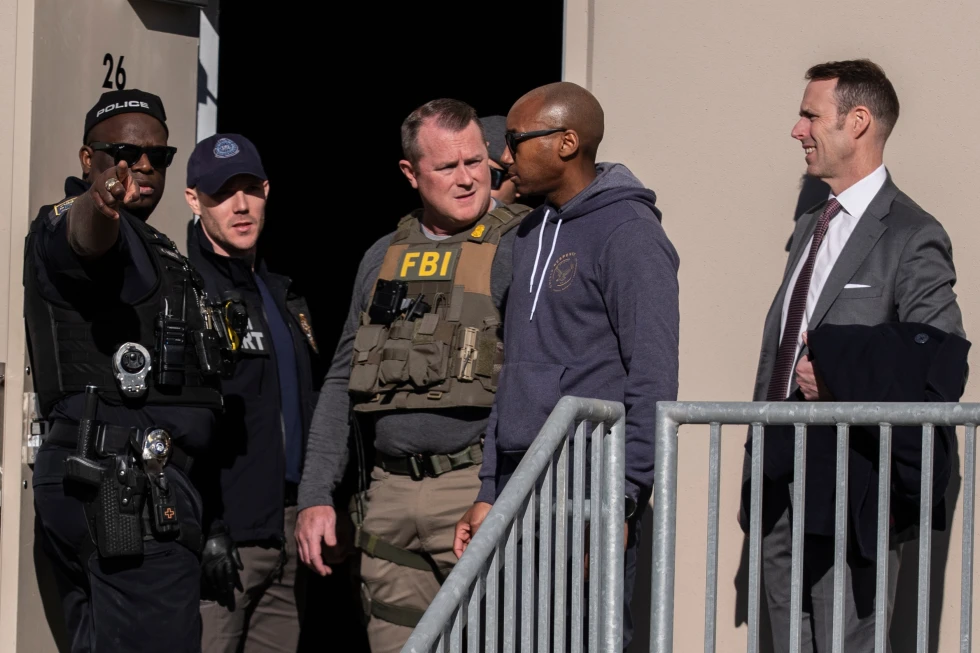
The hearing arrives on the heels of two West Virginia National Guard members being shot in Washington D.C., an attack that highlights the risks faced by deployed service members. In related developments, a California federal judge ruled that the Trump administration must stop deploying National Guard troops without state approval, reflecting ongoing tensions regarding federal oversight of state military forces.
This contentious issue underscores the evolving role of the National Guard in domestic affairs and raises important discussions regarding the intersection of state rights and federal military authority during conflict-ridden times.