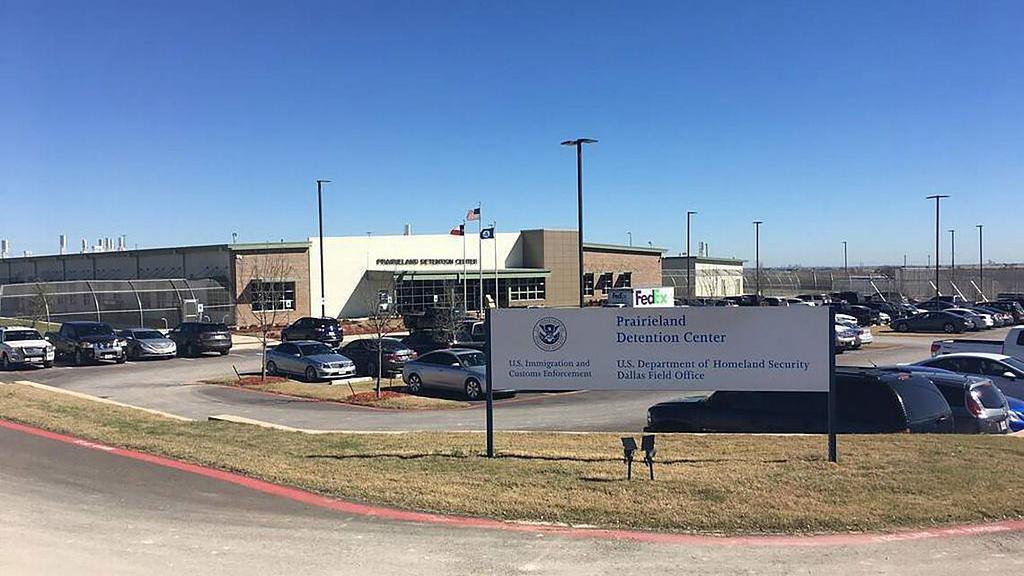
As the Super Bowl draws near, a wave of political activism threatens to change the narrative surrounding America's biggest sporting event. The matchup on Sunday features the Seattle Seahawks against the New England Patriots, but attention is shifting to the concern over the presence of Immigration and Customs Enforcement (ICE) agents at Levi’s Stadium in the San Francisco Bay Area.
With more than 184,000 signatures on a petition demanding the NFL denounce ICE’s involvement in the game, advocacy group MoveOn plans to rally outside the NFL’s headquarters in New York to deliver the message: No ICE at the Super Bowl. This storm has stirred up discussions about the intersection of politics and sports, with supporters and detractors alike making their voices heard.
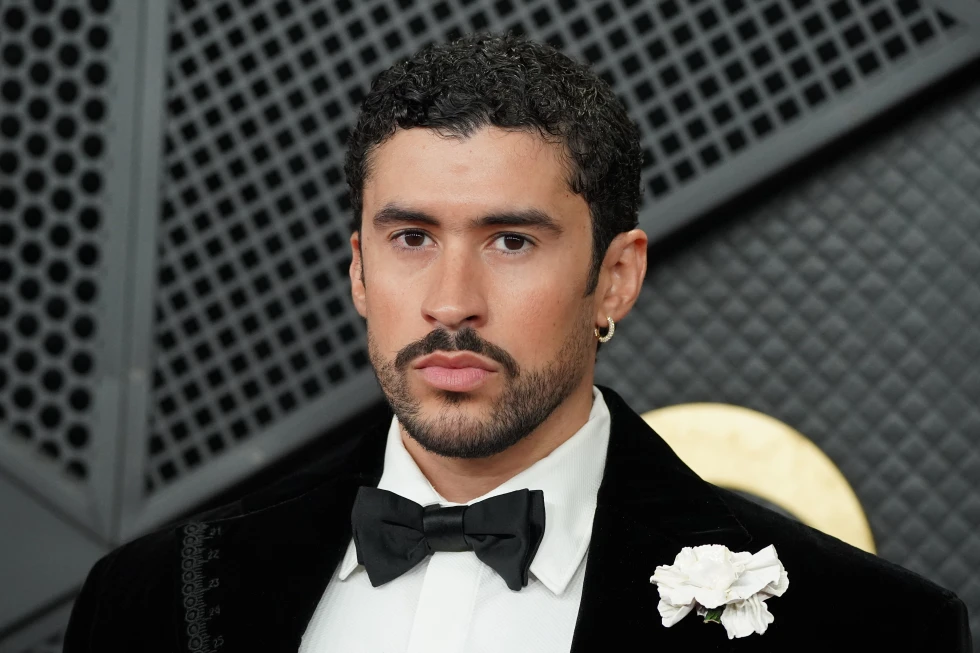
Highlighting the cultural significance of this year’s halftime show is the artist Bad Bunny, a Puerto Rican star who has publicly criticized the Trump administration's immigration policies. His headline performance has sparked debates, raising questions about whether the Super Bowl can remain an apolitical space amidst rising tensions surrounding issues of immigration and national identity.
In a recent interview, former NFL player Tiki Barber expressed concerns that the Super Bowl, traditionally a place of escape from real-world issues, risks becoming embroiled in political discourse. “The Super Bowl is supposed to be an escape,” he said, emphasizing the need for focus on the game rather than the surrounding controversies.
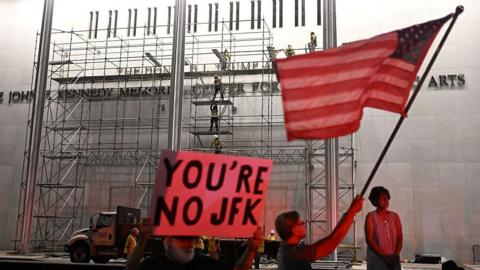
Trump himself has weighed in, dismissing Bad Bunny as a poor choice and labeling the event “the woke bowl,” as he refrains from attending this year’s game. Some conservative groups plan to hold alternative events in opposition to the main Super Bowl spectacle, further intensifying the cultural divide.
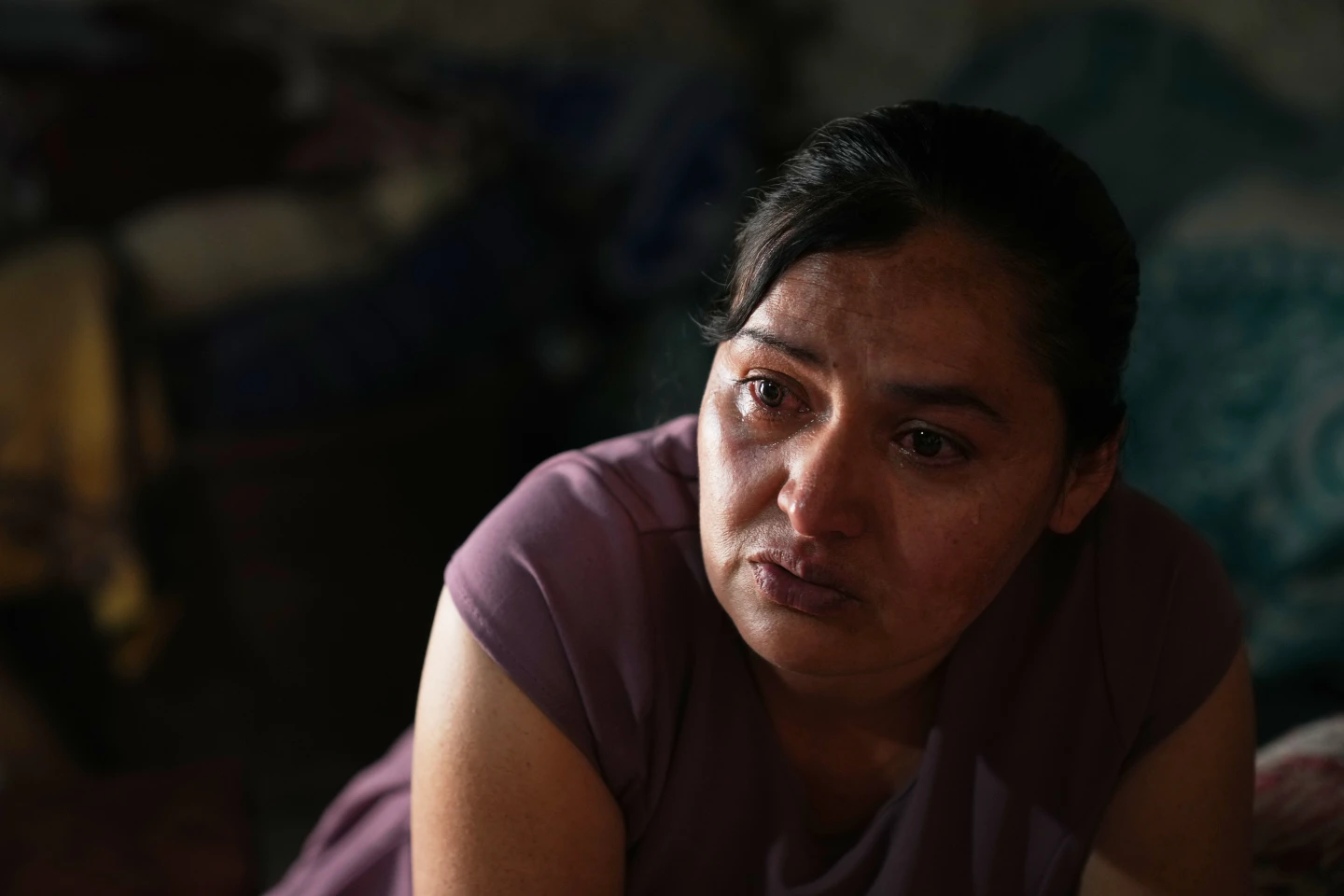
As the day approaches, the presence of ICE remains uncertain. DHS officials suggest that no immigration enforcement will occur at the game, yet anxiety lingers over potential last-minute changes in policy direction.
San Francisco’s Mayor Daniel Lurie aims to keep fans and residents safe, asserting confidence in the success of the event despite the heightened atmosphere. The Super Bowl stands as a microcosm of America’s cultural dialogue, where sports, music, and politics converge in a tense societal landscape.