
In brief
Amidst the aftermath of Bashar al-Assad's regime, many Syrians express their desire for an end to Russian military influence in Syria while interim leaders consider strategic ties with Moscow.
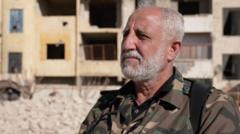
Despite years of deepening military cooperation, many Syrians now view Russia not as an ally but as an adversary responsible for significant destruction and suffering during the civil war. In regions once prosperous, like Douma, the scars of war lay bare, with entire neighborhoods in ruins following relentless bombardments. Ahmed Taha, a commander from Douma, highlights this disillusionment stating, “For us, Russia is an enemy.” This sentiment rings true even among communities that were hoped to be safeguarded by Russian involvement.Historically, the partnership between Russia and Syria was strategic. Moscow sought to bolster its global standing and maintain naval and air force bases in the Mediterranean, while Syria received vital military support against rebel forces. However, as the conflict persisted and Bashar al-Assad’s regime appeared to crumble, many Syrians grew increasingly resentful of Russia's aggressive tactics and military presence.Repeated accusations of war crimes have marred Russia’s involvement, with international bodies decrying the lavish assaults on civilian areas, which lead to extensive loss of life and infrastructure. The Assad regime, with Moscow’s backing, has been criticized not just for military aggression but also for human rights violations against its citizens.Amidst the turmoil, calls for departure resonate from various factions, including leaders of Syria’s Christian communities who claim Moscow has failed to deliver on its promises of protection. Patriarch Ignatius Aphrem II voiced skepticism about Russian motives, labeling their actions as self-serving rather than genuinely helpful. However, the new interim leaders emerging post-regime face a conundrum; while public sentiment leans towards severing ties with Russia, pragmatism dictates a continued reliance on Russian military supplies for rebuilding efforts. Historical connections between the Syrian military and Russia meant the country has been dependent on Soviet-era equipment for decades, complicating any potential shift.Turki al-Hassan, a defense analyst, suggests that the intricate web of military agreements and past support means disentangling from Russia may not come easily. Current leaders, like Ahmed al-Sharaa, express willingness to consider ongoing relationships with Russian officials, potentially preserving strategic alliances even amid public dissent.As negotiations progress, Vassily Nebenzia, Russia's UN envoy, strikes a careful tone, hinting at a willingness to assist with reconstruction and humanitarian needs in Syria. What remains clear is that as Syrians hope for autonomy from foreign influence, the realism of geopolitical necessities will continue to influence their future.

