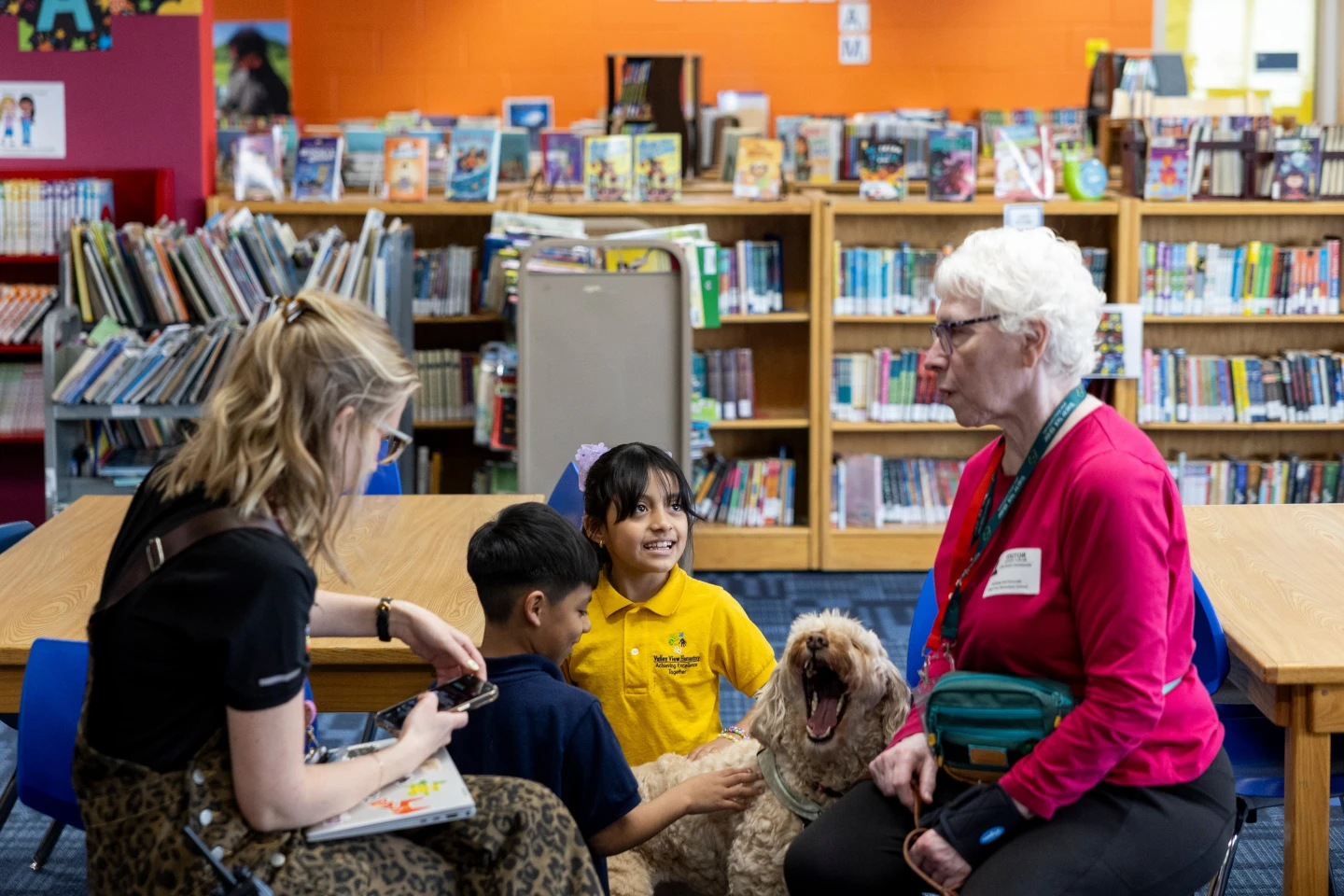
When Lucy, a bright‑eyed first‑year kindergartener at Valley View Elementary, reached for Sage the goldendoodle across the room, she didn’t just get a wagging tail. Behind the shy smile was a child who had seen the body‑hugger‑same‑time emotions that many today describe as “post‑traumatic distress.”
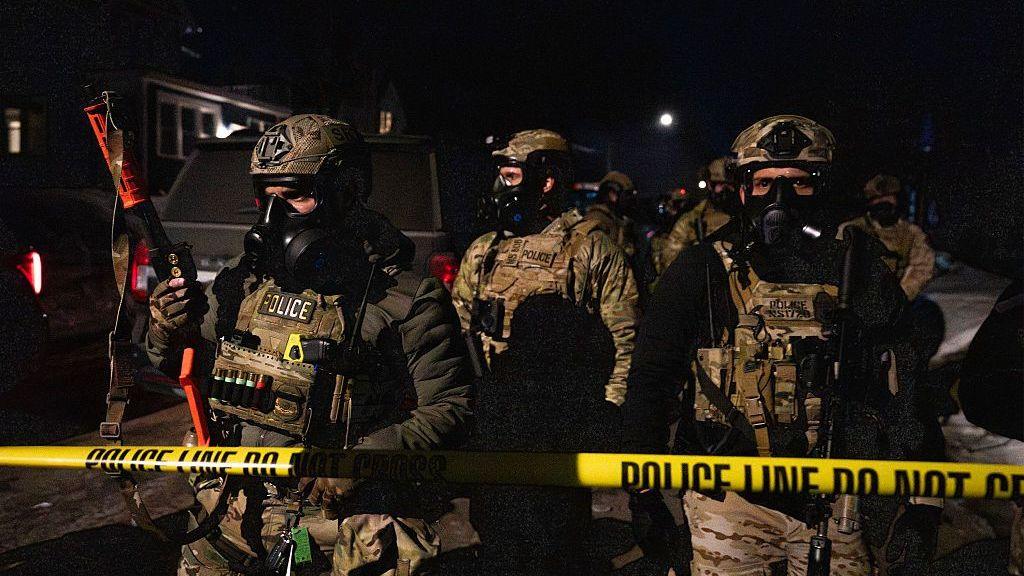
For months, the school’s doors remained closed to a handful of students, sixty‑plus families put new backpacks on their boxes so their children could stay at home, and attendance numbers dropped in a Minneapolis suburb still echoing the 2018 “Operation Metro Surge.” Of the 413 students in the district, 12 had been detained, and four were sent to a Texas‑based family detention center that, according to ICE court records, had been deficient in basic food and medical care.
After spring break, classrooms and lunchrooms reopened, but the students, many with a history of trauma from sudden raids, found it hard to return to normalcy. “Trauma scars stay hidden in the mind; we’re only remembering how protective parents were, not realizing that the sense of safety is gone,” said Nicole Herje, social worker for Columbia Heights Public Schools.
The School’s Imperative
Recognizing the urgent need to offer an emotional foothold, Herje turned to therapy‑dog Sage. “Sage is not a decoration,” she said. “She is a part of our mental‑health toolkit.” The dog is used in fear‑reduction exercises, support groups, and daily check‑ins. “The physical contact releases oxytocin and helps kids simply feel safe,” she explained.
At a weekly “emotions” class, a group of third‑ten year olds shared what gave them joy, what made them sad, or what they feared. One eight‑year‑old said he only wanted to go back to school when he could see his best friend again. Another student solemnly mentioned his grandma left for Ecuador “because of” something.
Beyond psychology, the program also aims to secure the social fabric of the school’s community. “The school is a place where kids can get out from the fear outside and feel safe inside,” says Herje, citing the surrenders of a preschooler named Liam Conejo Ramos who was detained right after school.
Related Stats and Data
The Brookings Institute estimates that 4.6 million U.S. children are in mixed‑status families where an undocumented or temporary‑status parent is present. More than 200,000 children have lost parents through detention or deportation in the prior Trump administration. A recent psychiatric study found that such chronic anxiety translates into absenteeism and academic disengagement. “We’re seeing a whole generation of kids experience unreported trauma.”
The conversation with children has become a work‑in‑progress. While Sages’ four‑way tail wagging can calm a nervous heart, for some kids the dissonance is linear: after a rapid‑fire arrest of a family member person or when an ICE officer is abroad, families exchange the differences between “the raid” and “the exposure.”
John’s story, from a Cameroonian immigrant background, illustrates how trauma can manifest physically. A child who had lost his entire family in a pandemic was refusing to eat and “at times couldn’t get up off the bed or play,” the pediatrician noted.
As colonies, Century, established “Sage Support Sessions” to address the most intense scenarios. These included two fifth‑graders and a second‑grader who had binge (a colloquial term?) the same events at the Dilley Detention Center.
The Dream
The therapy‑dog program restores a semblance of normality for students who lost friends, family, and an entire sense of safety. The first to notice a viable emotional shift was a girl who, after being present in class, suddenly started dancing and laughing while holding her friends’ arms. “We want to see them back together as a normality again.” She cried for peace.
While the data will help inform policy, the focus remains on getting kids back into a classroom. “Real‑life feelings are re‑establishing a feeling of being part of a world that matters to them.””, Herje concluded.
Asked what would make a child feel loved, a young girl raised her small hand and said “When I’re in love, I find my best friend.” Past tears, a strong sense of safety is a step toward the future. The side‑by‑side analysis shows the power of community therapy like Sage’s configuration.
By addressing anxiety symptoms early and providing the psychological touchpoint absent in mass‑detention, the program reinforces a safe anchor in the minds of any child. The way forward is the unequivocal.
For months, the school’s doors remained closed to a handful of students, sixty‑plus families put new backpacks on their boxes so their children could stay at home, and attendance numbers dropped in a Minneapolis suburb still echoing the 2018 “Operation Metro Surge.” Of the 413 students in the district, 12 had been detained, and four were sent to a Texas‑based family detention center that, according to ICE court records, had been deficient in basic food and medical care.
After spring break, classrooms and lunchrooms reopened, but the students, many with a history of trauma from sudden raids, found it hard to return to normalcy. “Trauma scars stay hidden in the mind; we’re only remembering how protective parents were, not realizing that the sense of safety is gone,” said Nicole Herje, social worker for Columbia Heights Public Schools.
The School’s Imperative
Recognizing the urgent need to offer an emotional foothold, Herje turned to therapy‑dog Sage. “Sage is not a decoration,” she said. “She is a part of our mental‑health toolkit.” The dog is used in fear‑reduction exercises, support groups, and daily check‑ins. “The physical contact releases oxytocin and helps kids simply feel safe,” she explained.
At a weekly “emotions” class, a group of third‑ten year olds shared what gave them joy, what made them sad, or what they feared. One eight‑year‑old said he only wanted to go back to school when he could see his best friend again. Another student solemnly mentioned his grandma left for Ecuador “because of” something.
Beyond psychology, the program also aims to secure the social fabric of the school’s community. “The school is a place where kids can get out from the fear outside and feel safe inside,” says Herje, citing the surrenders of a preschooler named Liam Conejo Ramos who was detained right after school.
Related Stats and Data
The Brookings Institute estimates that 4.6 million U.S. children are in mixed‑status families where an undocumented or temporary‑status parent is present. More than 200,000 children have lost parents through detention or deportation in the prior Trump administration. A recent psychiatric study found that such chronic anxiety translates into absenteeism and academic disengagement. “We’re seeing a whole generation of kids experience unreported trauma.”
The conversation with children has become a work‑in‑progress. While Sages’ four‑way tail wagging can calm a nervous heart, for some kids the dissonance is linear: after a rapid‑fire arrest of a family member person or when an ICE officer is abroad, families exchange the differences between “the raid” and “the exposure.”
John’s story, from a Cameroonian immigrant background, illustrates how trauma can manifest physically. A child who had lost his entire family in a pandemic was refusing to eat and “at times couldn’t get up off the bed or play,” the pediatrician noted.
As colonies, Century, established “Sage Support Sessions” to address the most intense scenarios. These included two fifth‑graders and a second‑grader who had binge (a colloquial term?) the same events at the Dilley Detention Center.
The Dream
The therapy‑dog program restores a semblance of normality for students who lost friends, family, and an entire sense of safety. The first to notice a viable emotional shift was a girl who, after being present in class, suddenly started dancing and laughing while holding her friends’ arms. “We want to see them back together as a normality again.” She cried for peace.
While the data will help inform policy, the focus remains on getting kids back into a classroom. “Real‑life feelings are re‑establishing a feeling of being part of a world that matters to them.””, Herje concluded.
Asked what would make a child feel loved, a young girl raised her small hand and said “When I’re in love, I find my best friend.” Past tears, a strong sense of safety is a step toward the future. The side‑by‑side analysis shows the power of community therapy like Sage’s configuration.
By addressing anxiety symptoms early and providing the psychological touchpoint absent in mass‑detention, the program reinforces a safe anchor in the minds of any child. The way forward is the unequivocal.